Can AI Identify a Plant From a Photo Accurately?
Learn how AI can identify a plant from a photo, what images reveal, and turn a reliable match into smarter watering for Australian gardens.
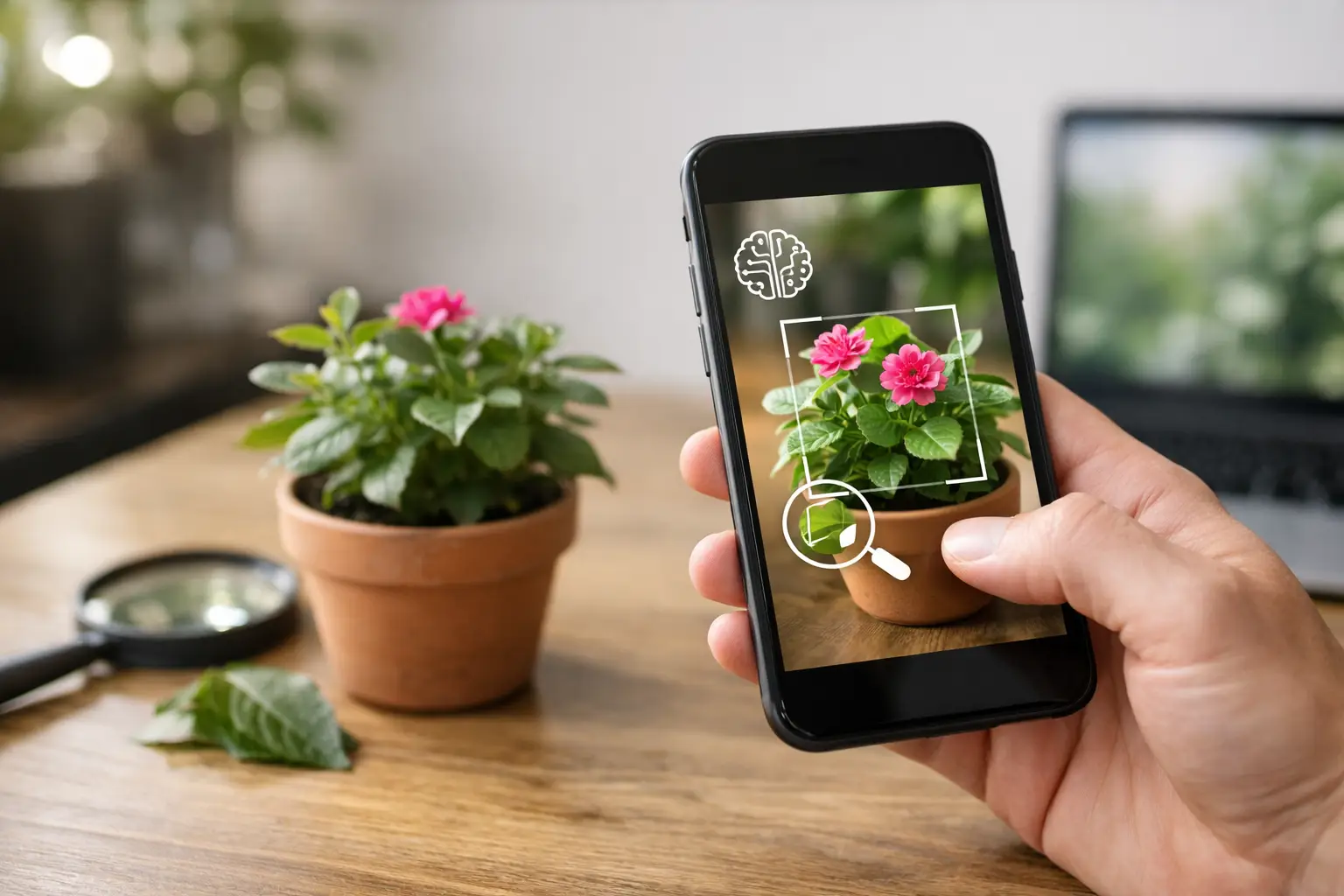
A plant with crisp brown edges beside a thriving grevillea might look like one simple gardening problem. It rarely is. Before changing the watering schedule, adding fertiliser or moving a pot, you need to know what the plant is. When you use AI to identify a plant from a photo, you can turn an unknown garden resident into a practical care plan - including the moisture range it is likely to prefer.
For Australian gardens, that matters. A sunny west-facing courtyard in Perth, a humid Brisbane balcony and a frosty Melbourne bed can all produce very different results from the same plant. AI gives you a fast starting point. Good garden care comes from pairing that identification with what is happening in your soil, weather and specific growing spot.
How AI identifies a plant from a photo
Photo-based plant identification tools compare visible details in your image with patterns learned from large collections of labelled plant photographs. Leaf shape, vein arrangement, margin texture, flower structure, bark, fruit and growth habit all help narrow the possibilities.
The best result is not always a single definitive name. Some plants look remarkably alike, especially when they are young, recently pruned, stressed or out of season. A reliable tool should be able to provide a likely match and enough information for you to check whether it makes sense in your garden.
That is still a major improvement on guessing. Once a plant has a likely identity, you can move from vague questions such as “why is this shrub unhappy?” to more useful ones: does it prefer evenly moist soil or a dry-down between watering? Is it sensitive to hot afternoon sun? Is this yellowing normal seasonal change, or a sign of stress?
Take a better photo for plant ID
The quality of the photo has a direct effect on the quality of the identification. You do not need a specialist camera. Your mobile is enough, provided the subject is clear.
Start with one sharply focused photo of the whole plant. This shows its general shape, size and habit: upright, trailing, clumping, woody or vine-like. Then take closer photos of the leaves, including where they attach to the stem. If the plant has flowers, seed pods, berries or distinctive bark, photograph those too.
Natural, even daylight is usually best. Avoid using flash where possible, as it can flatten colour and create glare on waxy leaves. Move aside grass, mulch or nearby foliage that may confuse the image. If the plant is in a crowded bed, hold a plain sheet of cardboard behind one leaf or flower for a clean close-up.
A few details often make the difference between a broad guess and a useful match:
- the front and back of a leaf
- leaf pairs or alternate leaf placement along the stem
- an open flower, bud or fruit
- the full plant and its growth pattern
- a clear view of bark, thorns or stems where relevant
For indoor plants, wipe off dust first. For outdoor plants, wait until heavy rain has passed if water droplets are obscuring detail. It is better to upload two or three purposeful images than one distant, cluttered shot.
When an AI plant match is likely to be right
AI is particularly useful for common ornamentals, houseplants, herbs, vegetables and recognisable native plants. A clear image of a flowering kangaroo paw, rosemary, monstera or tomato plant gives the system plenty to work with.
Confidence drops when plants are small seedlings, severely damaged, heavily variegated cultivars or hybrids. Nurseries also sell many cultivars that share a species but differ in mature size, leaf colour or flower form. An app may correctly identify the species while missing the exact named variety. For watering and general care, that can still be enough. For planting distance, pruning advice or a valuable collection plant, check the label, purchase record or a local nursery as well.
Be especially cautious with any identification that could affect safety. Do not rely on a photo match alone to decide whether a plant is edible, pet-safe or suitable for medicinal use. Many edible and toxic plants have close lookalikes, and one image cannot replace expert confirmation.
From plant ID to a watering decision
Identification is useful because it changes how you care for a plant. A rosemary and a peace lily should not be treated as though they have the same watering needs merely because they sit in the same general area. One generally prefers its roots to dry more between watering; the other is less forgiving of prolonged dry soil.
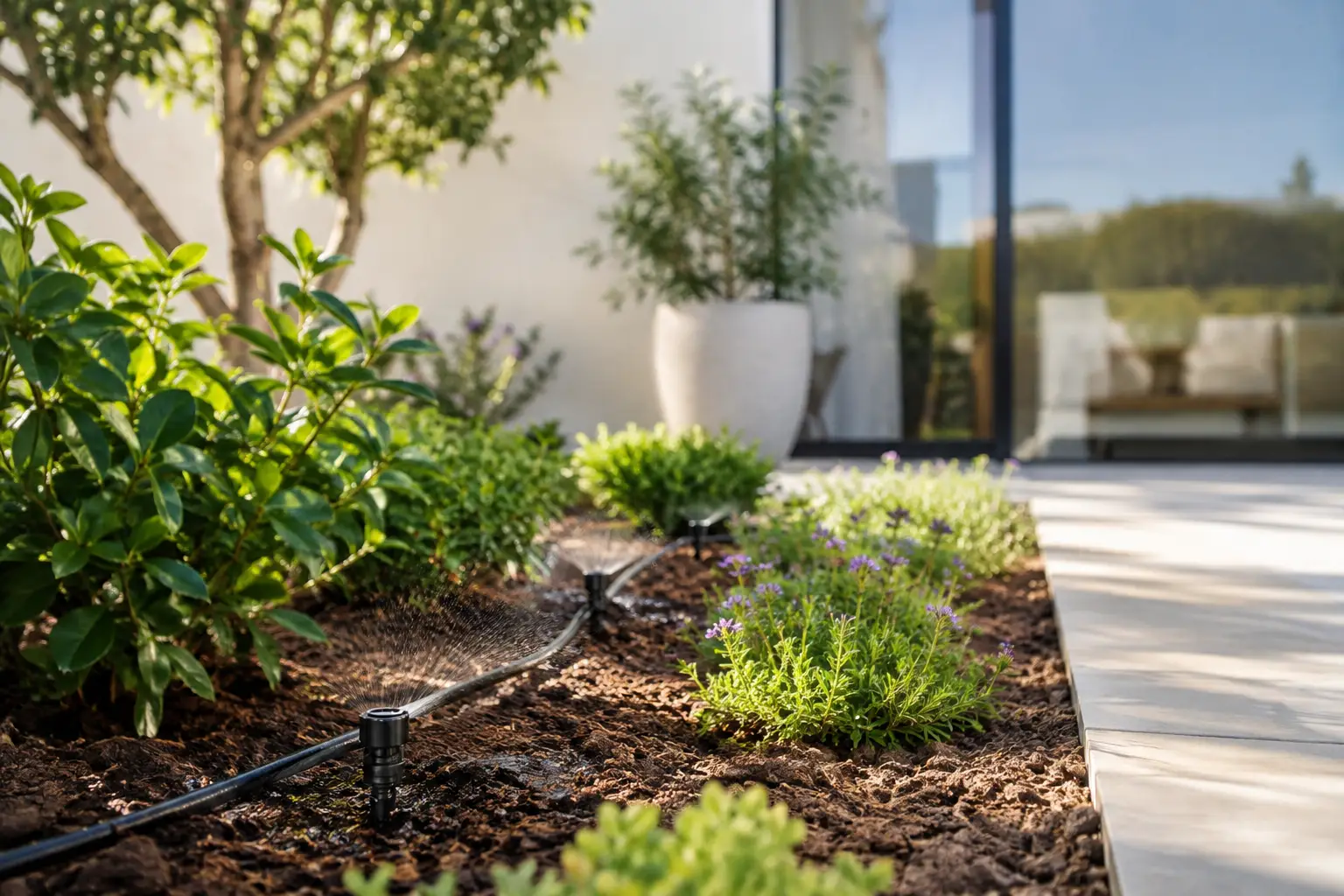
The common weak point is the traditional irrigation timer. It waters an entire zone at a set time because Tuesday and Saturday arrived, not because the root zone actually needs water. That can leave drought-tolerant plants wet for too long while thirsty plants at the edge of a bed miss out.
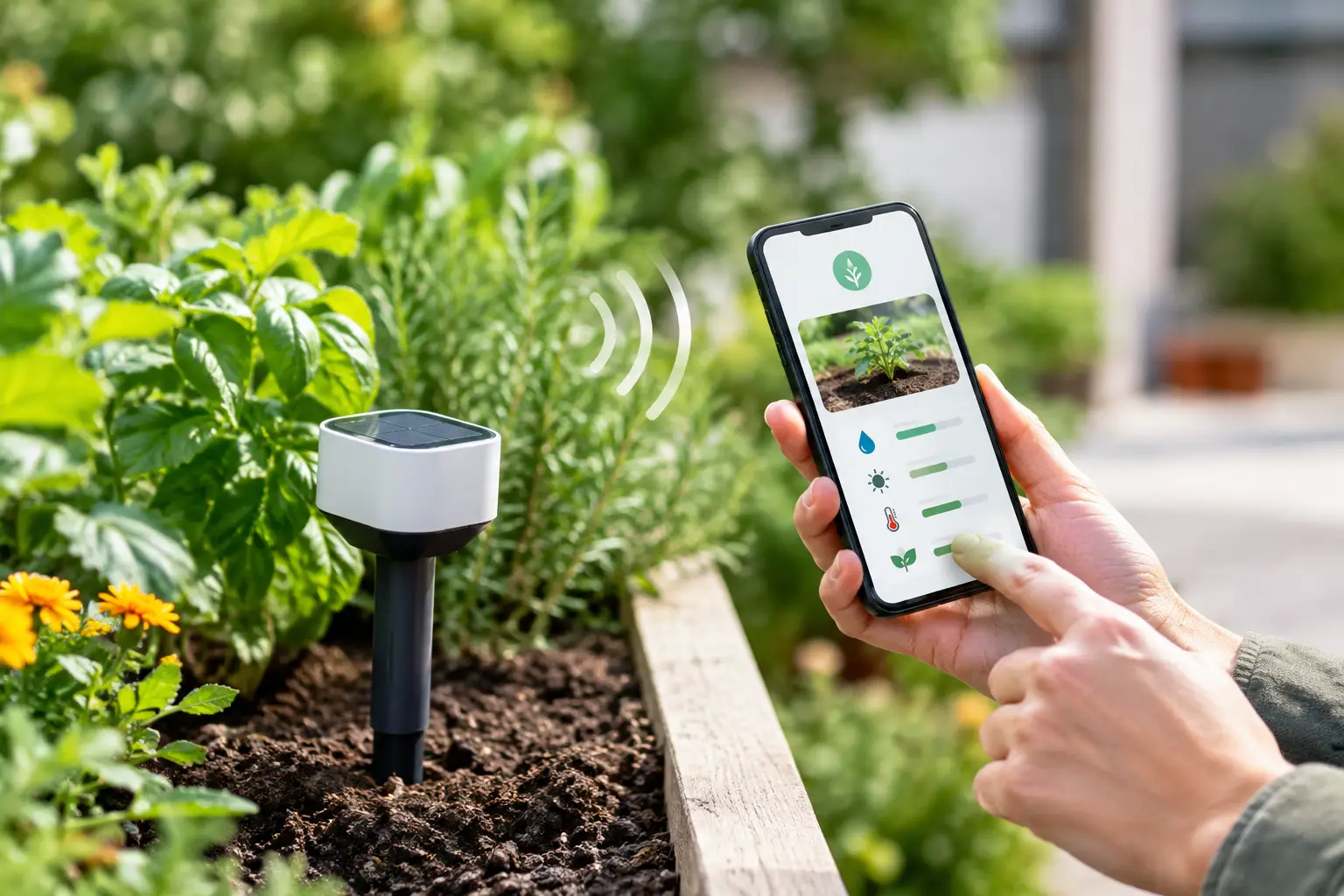
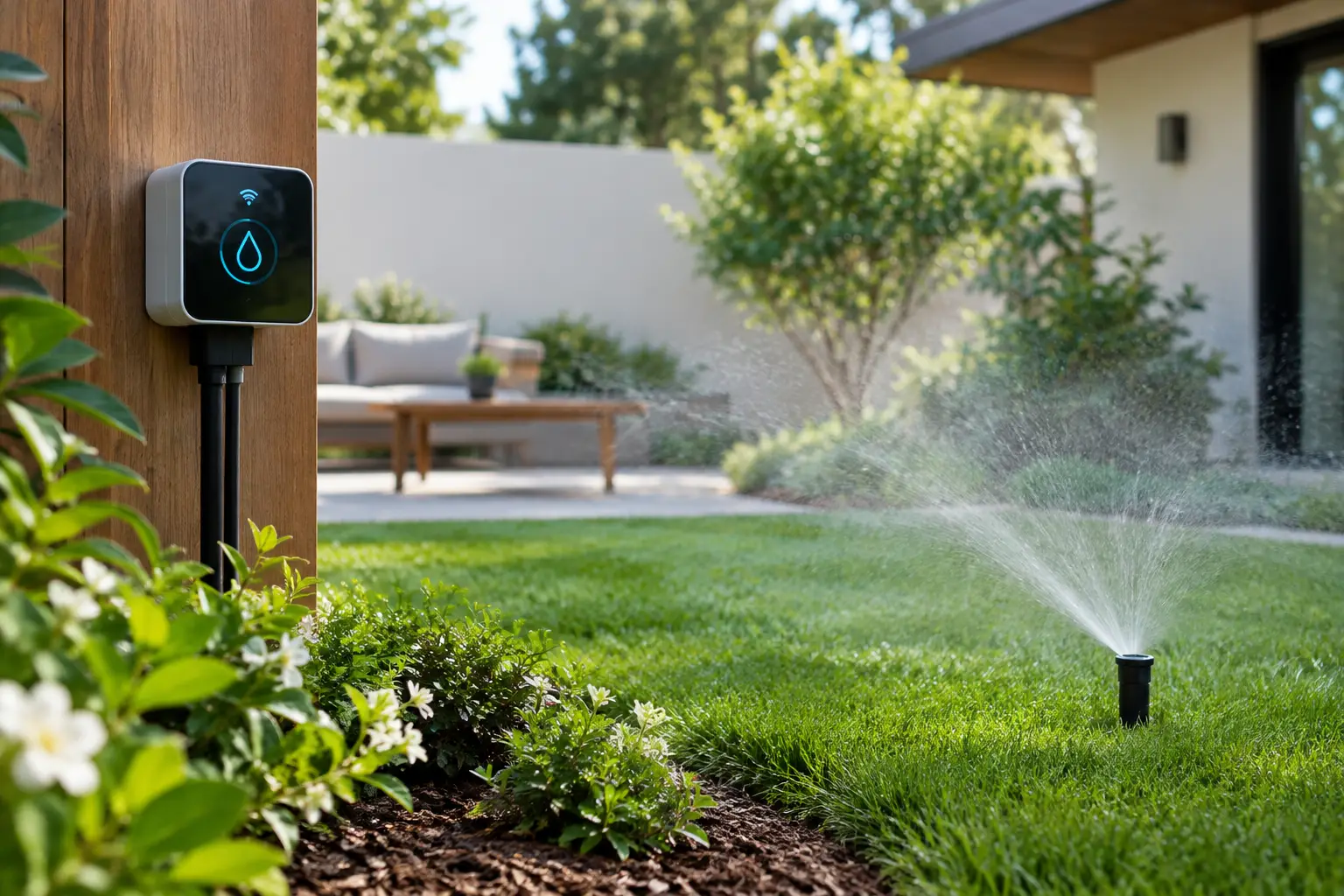
A more useful flow is simple. Photograph the plant, receive a likely identification and suggested moisture preference, then assign it to the right garden zone. Set a soil-moisture target that suits the plant and its conditions. A compatible soil sensor measures what is happening below the surface, while a smart valve can water only when the soil falls below your chosen threshold.
Local weather belongs in that decision too. Forecast rain, extreme heat, wind and recent rainfall all affect how quickly soil dries. Weather information is valuable, but it should complement a soil reading rather than replace it. Rain that barely dampens mulch may never reach the active root zone, while a shaded pot can remain wet long after a hot day.
Verde brings those steps into one app: plant identification, photo-based health checks, moisture targets, garden zones and valve control. It works with compatible smart-home gear and uses live conditions to make watering decisions at plant level, rather than simply running a fixed timer.
Keep the result grounded in your own garden
A plant database can tell you that a species generally likes well-drained soil. Your garden may have compacted clay, sandy soil, a raised bed full of compost or a pot that dries before lunch. Those conditions matter as much as the plant label.
Use the AI result as the baseline, then observe the plant for a few weeks. New growth, leaf firmness and flowering response are often more informative than a single dramatic symptom. Check the soil at root depth, not just the dry top centimetre. With pots, lift the container occasionally to learn the difference between freshly watered and dry.
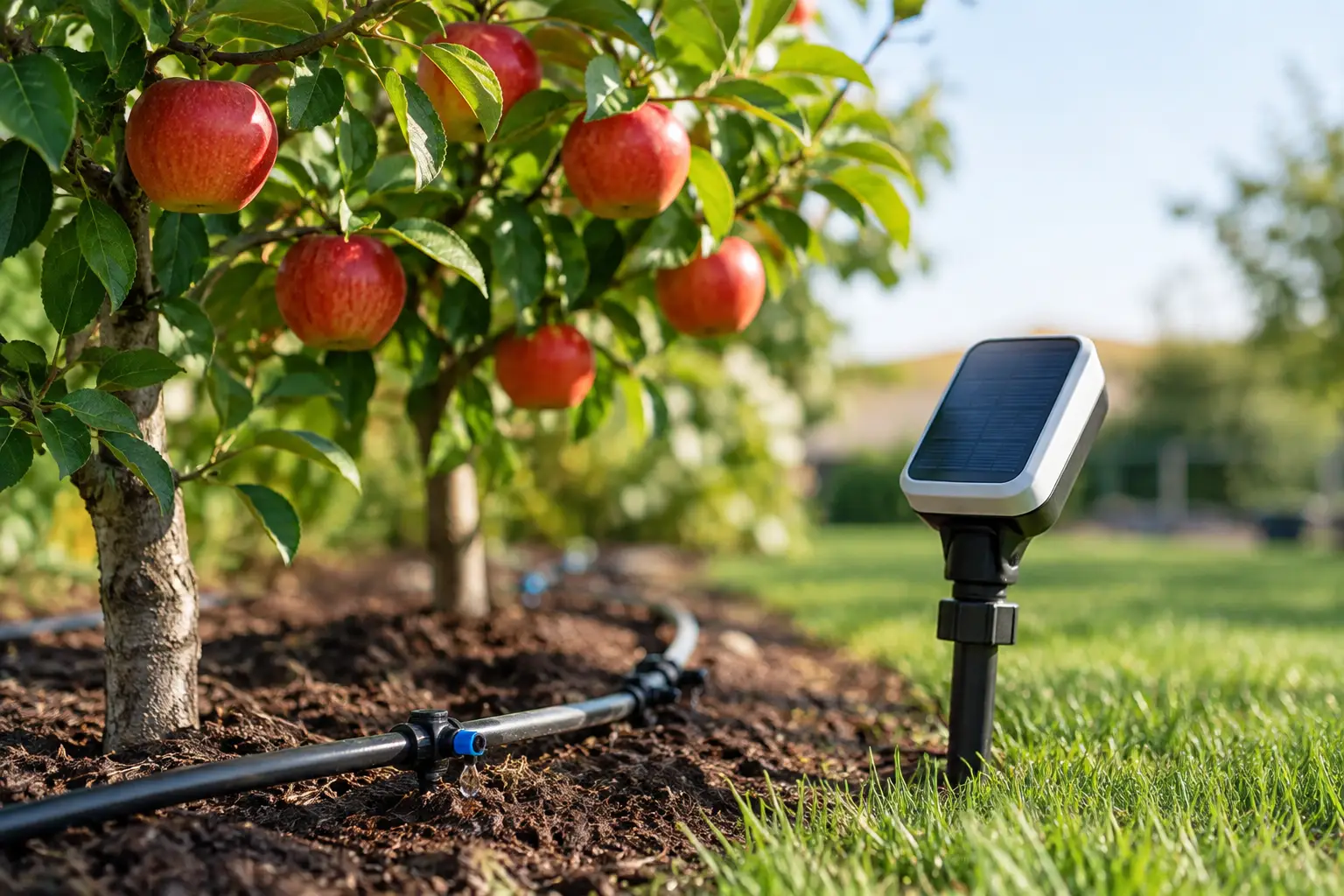
If you use a sensor, position it where the roots are active rather than directly beside a dripper or at the outer edge of the pot. A sensor sitting in permanently damp soil will encourage the wrong watering decisions, even when the technology is working perfectly. For mixed beds, either group plants with similar needs or create separate zones for plants that need distinctly different moisture levels.
Use photo checks to spot trouble earlier
Once you know what a plant is, repeated photos become more useful. Compare new images with earlier ones when you notice yellow leaves, brown tips, curling growth, spots or poor flowering. AI health assessments can help flag visible patterns consistent with underwatering, overwatering, nutrient issues, pests or disease.
Treat these assessments as a prompt to inspect, not as a diagnosis written in stone. Brown leaf edges may follow heat, salt build-up, irregular watering or root damage. Yellowing may be natural ageing, low light, excess water or a nutrient problem. Look for the pattern across the plant, inspect underneath leaves for pests and check the soil moisture before reacting.
This approach avoids a familiar gardening cycle: see a stressed plant, water it immediately, make the underlying problem worse. A photo tells you what is visible. Soil data, weather and plant history explain what may have caused it.
A practical routine that takes minutes
For a new or unknown plant, take clear photos and record the likely identification. Add it to the relevant garden zone, noting whether it is in a pot, bed, lawn edge or sheltered courtyard. Set a sensible initial moisture target based on the plant type, then adjust it as you see how that particular location behaves.
For established gardens, use identification to find the outliers. The thirsty tropical tucked into a dry native bed, the succulent beneath a high-flow dripper or the vegetable patch sharing a schedule with hardy shrubs are the plants most likely to benefit from a separate approach.
You do not need to turn every garden task into a data project. The point is to remove the repetitive guesswork. Let the photo establish what the plant is, let soil conditions show what it needs now, and keep your attention for the satisfying part: noticing new leaves, picking herbs and enjoying a garden that is quietly looking after itself.