How to Automate Watering While on Holiday
Automate watering while on holiday using soil sensors, smart valves and weather-aware rules, so each garden zone gets water only when needed each day.
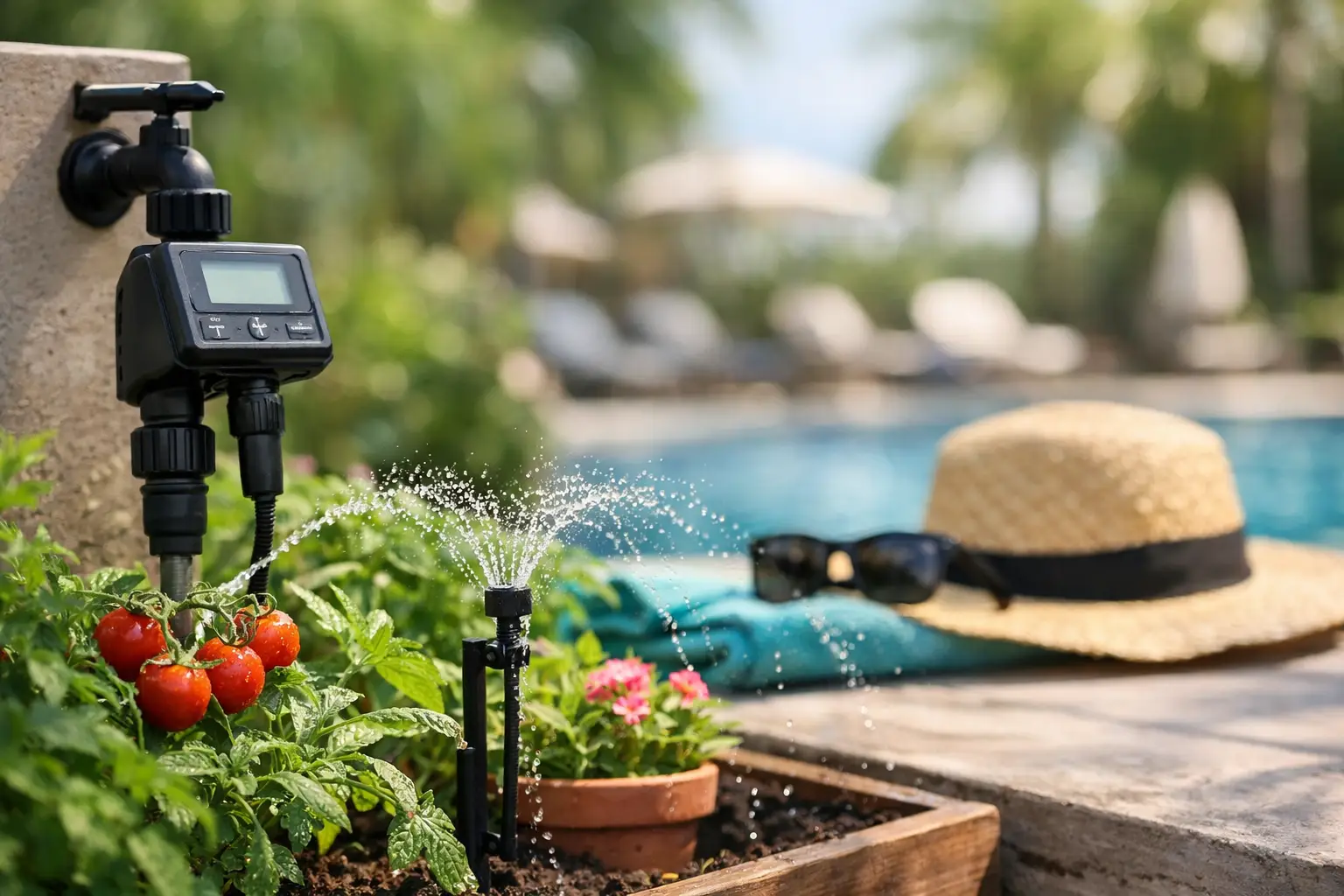
A hot northerly wind, a 35-degree day and two weeks away can undo months of careful gardening. If you want to automate watering while on holiday, the goal is not simply to run sprinklers on a timer. It is to give each part of your garden the water it needs, without overwatering after rain or leaving thirsty plants to fend for themselves.
For Australian gardens, fixed schedules are often the weak link. Weather can change quickly, sandy soil can dry out in a day, and a shaded fern bed should not be treated like a sunny veggie patch. A better holiday setup responds to real conditions: soil moisture, plant needs, local weather and the state of your irrigation hardware.
Start with zones, not one garden-wide schedule
Your garden is unlikely to have one watering need. Lawns, raised vegetable beds, citrus trees, native shrubs, pot plants and indoor-outdoor collections all dry at different speeds. Before you leave, group plants into practical watering zones based on their position, soil and moisture requirements.
A sunny west-facing bed with tomatoes may need a higher moisture target than established natives on the other side of the yard. Pots deserve their own attention too. Their small volume of soil warms and dries quickly, especially if they sit near a brick wall or on paving.
This is where basic timers can become wasteful. They open a valve because it is 6 am on Tuesday, not because the garden needs water. A connected setup can instead use a moisture threshold for each zone. When the soil drops below your chosen target, the valve can run. When the target is reached, it stops.
That one change turns holiday watering from a guess into a decision.
Build a system that can respond while you are away
To automate watering while on holiday reliably, you need three things working together: a water source, a compatible smart valve and a way to understand moisture conditions. Weather information adds another useful layer, particularly in places where a storm can make a scheduled watering unnecessary.
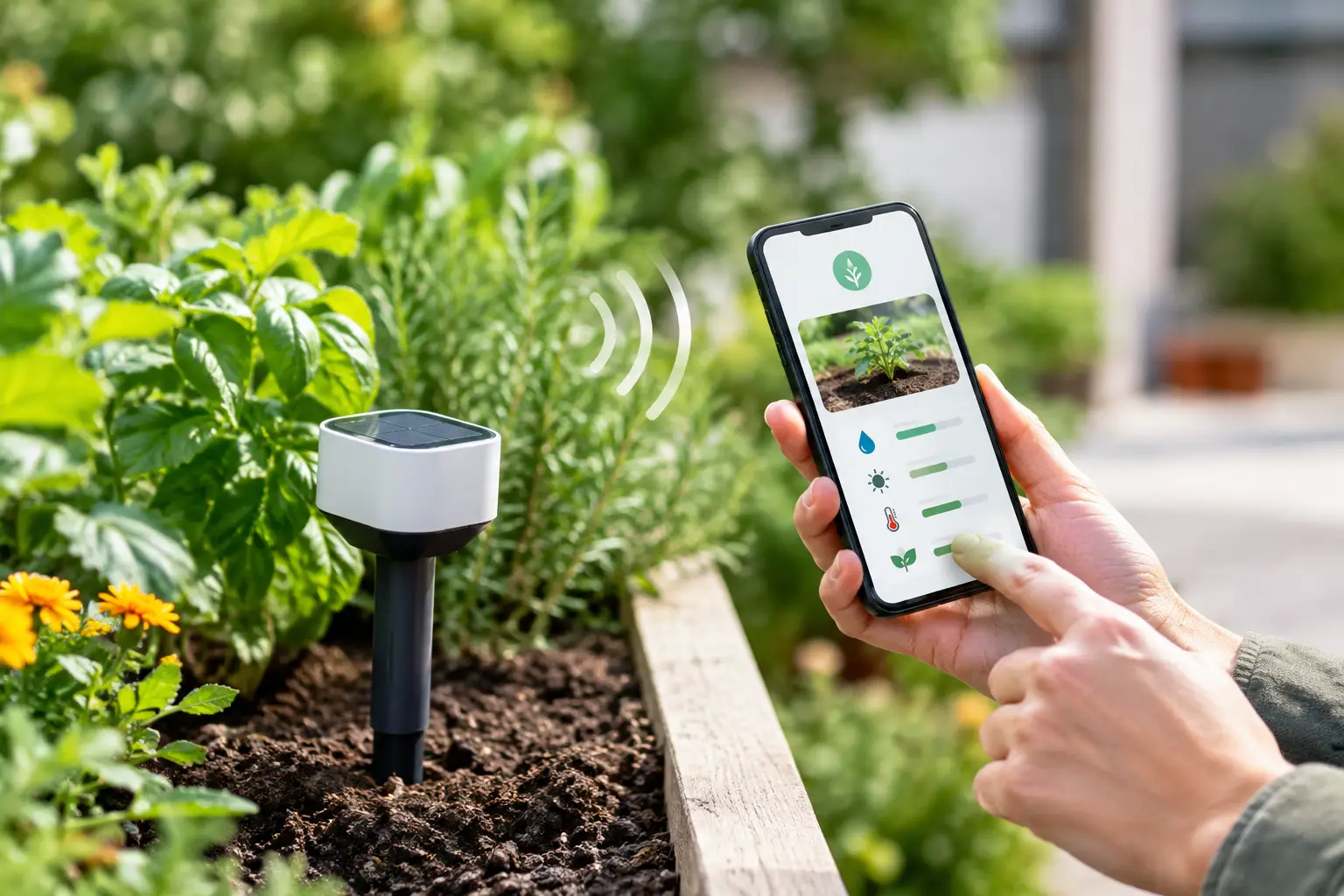
A soil sensor is the most direct source of truth. Place it in the root zone, rather than at the edge of a garden bed or directly beside a dripper. For a mixed bed, position it near the plants most likely to suffer if they dry out. In pots, use one sensor for a group only when the pots are similar in size, mix, location and plant type.
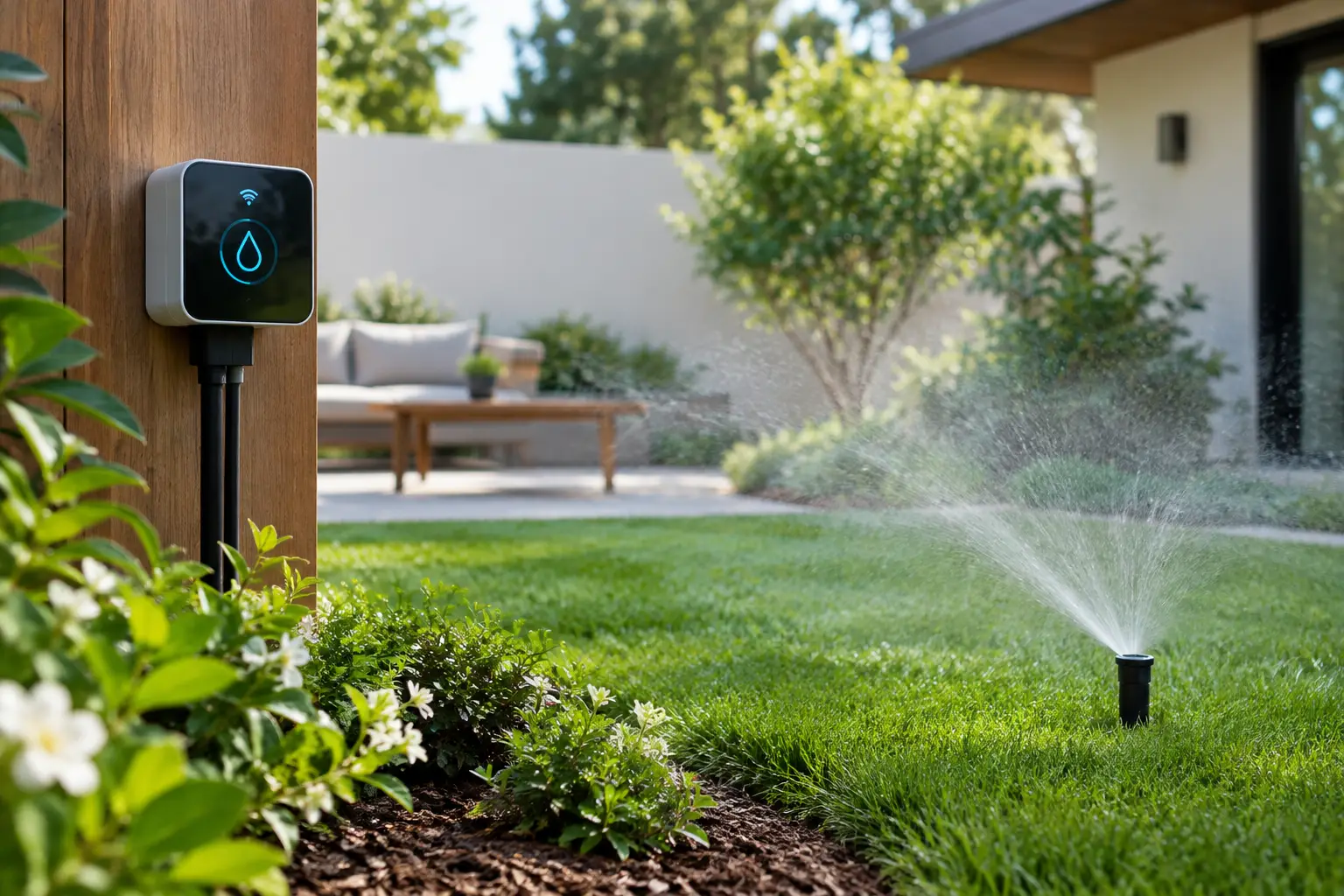
Your smart valve needs a stable connection and enough battery life to last beyond your trip. If it connects through Wi-Fi, check the signal where it is installed. If it uses another wireless standard, make sure the relevant home controller remains online. This sounds obvious, but it is worth testing before departure, not from an airport lounge.
Weather-aware logic is helpful, but it should support soil data rather than replace it. Rainfall forecasts are imperfect, and a brief shower may wet mulch without reaching roots. Soil moisture tells you whether the water has actually done its job.
Give plants sensible moisture targets
Automation only works as well as the rules behind it. A target that is too high can keep soil wet for too long, increasing the risk of root problems and wasting water. A target that is too low may leave young plants and edibles stressed before watering begins.
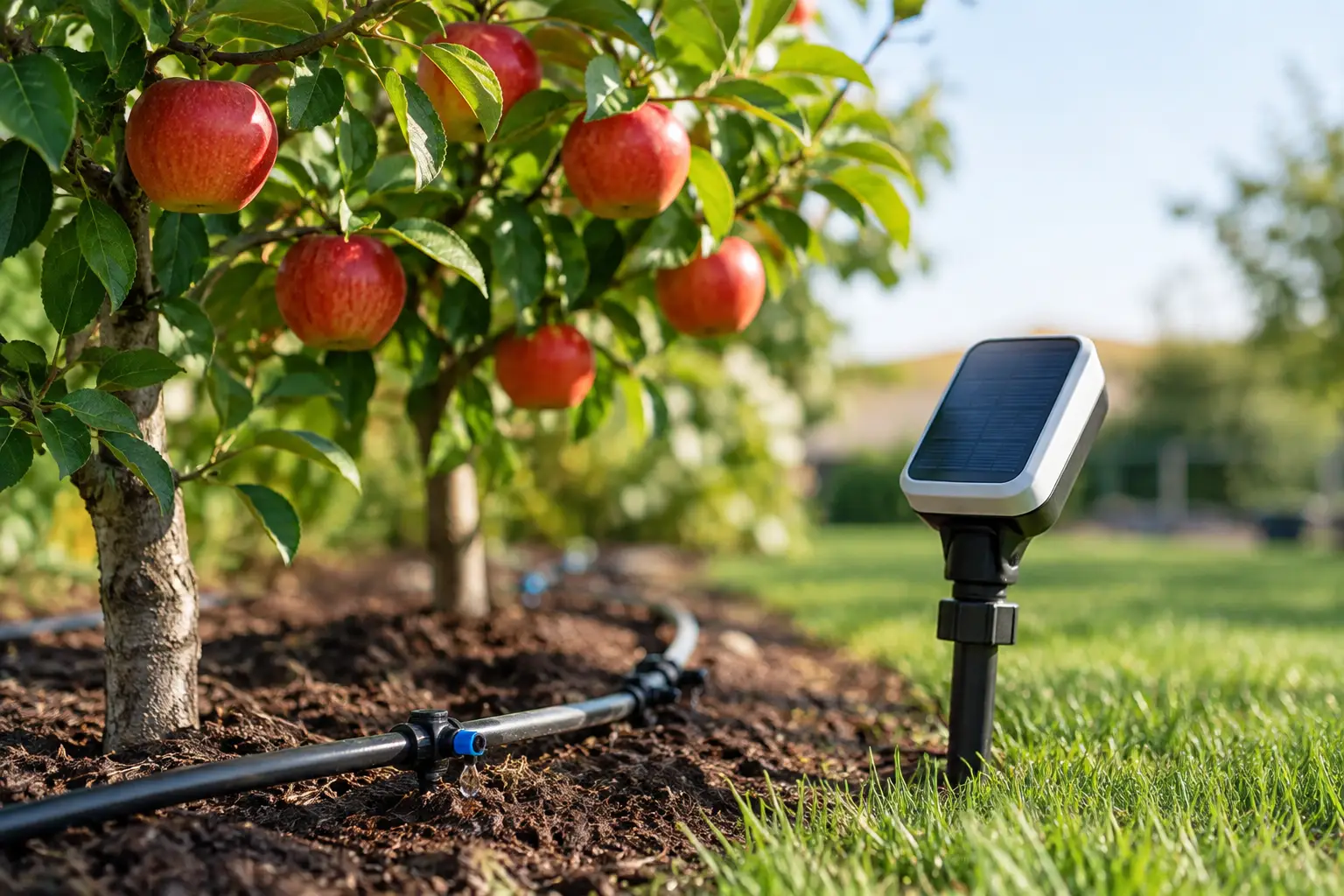
Start with broad categories. Leafy vegetables, seedlings and many flowering annuals generally prefer more consistently moist soil. Established drought-tolerant natives, succulents and Mediterranean plants usually need a lower target and less frequent watering. Citrus and fruiting vegetables often sit between those extremes, depending on their growth stage and the soil they are in.
Then account for the conditions in your own garden. Heavy clay holds water longer than sandy soil. Mulch reduces evaporation. A newly planted shrub has a smaller root system than an established one, even if they are the same species. It depends on the plant, but also on where it is growing.
If you are unsure, test your targets for a week or two before travelling. Watch how quickly each zone dries, check the soil by hand and adjust gradually. The best time to find a moisture threshold that needs fine-tuning is while you are still home.
Test the whole watering flow before you pack
Do not make your holiday the first live run. A quick test should cover the complete sequence: sensor reading, automation rule, valve opening, water reaching the right place and valve closing again.
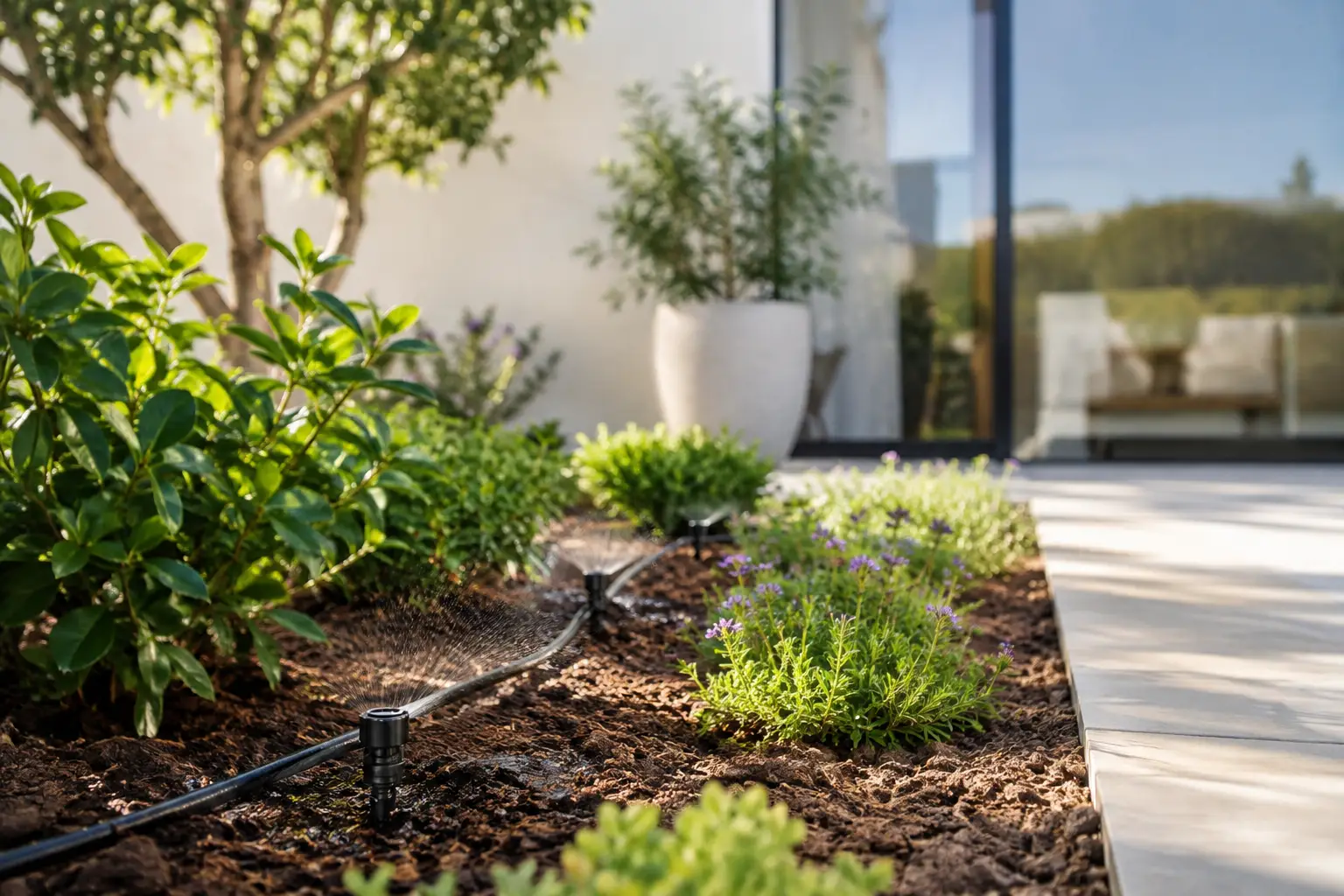
Run each zone long enough to confirm the drippers or sprinklers are working evenly. Look for clogged emitters, split hoses, sprinkler heads watering the footpath and fittings that drip once pressure builds. Check that water reaches the active root zone, rather than pooling near the tap or running off hard ground.
It is also wise to test a manual override from your mobile. If a heatwave arrives, you may want to run a short extra cycle. If a neighbour tells you the garden has had steady rain, you may want to pause watering. Remote control is useful, but it should remain an exception rather than the job you are doing every day of your break.
Set up alerts for unusually low moisture, a valve that fails to respond or a sensor that goes offline. Keep notifications useful. Too many low-priority alerts can mean the important one gets missed.
Prepare for the practical failures, not just dry soil
Garden automation reduces routine work, but it cannot prevent every issue. A hose can be chewed, a tap can be turned off, a power outage can affect your network, or a storm can knock over pots. A few simple precautions make a major difference.
Use a pressure reducer where your drip system requires one, secure exposed hoses and replace ageing batteries before you leave. Clear filters and check irrigation fittings. If you use mains-connected equipment, ensure it is installed safely and protected from weather as specified by the manufacturer.
For valuable pots, move them out of harsh afternoon sun or group them in a sheltered spot before leaving. A layer of mulch in garden beds helps retain moisture, while saucers under suitable pots can provide a small buffer. Avoid relying on saucers for plants that dislike wet roots.
If you will be away for more than a fortnight, ask a trusted neighbour or friend to make one visual check. They do not need to understand your automation. Give them a simple instruction: confirm water is running where expected, look for leaks and message you if anything appears unusual.
Use weather awareness without handing over all control
Skipping watering after meaningful rain can save a surprising amount of water, especially during a wet summer spell. But rainfall alone is not a complete instruction. Wind, heat and soil type affect how much water remains available below the surface.
Set your system to consider forecast rain, recent rainfall and local temperature alongside moisture readings. If moisture is already above the target, there is no reason to water just because a schedule says so. If the forecast promises rain but the soil is dry and the forecast later changes, a moisture-led rule can still protect the plants.
This approach is particularly useful for gardens with different microclimates. The sheltered side of a house may remain damp after rain while a raised bed near a fence dries rapidly. One app for the whole garden should still allow each zone to behave like its own environment.
Keep a clear view of what happened
A good holiday watering setup should leave a record, not a mystery. When you return, you should be able to see moisture trends, watering events and any alerts that occurred. That history helps you improve the rules for the next trip and reveals zones that consistently need more or less water.
Verde brings plant information, moisture targets, weather-aware automation and compatible smart-valve control into one garden view. Instead of juggling a timer app, notes about plants and separate sensor screens, you can organise the garden by zone and let each decision follow the soil conditions that matter.
Before you lock the door, take one final look at your garden from the perspective of someone who will not be there tomorrow. Check the water, check the rules, and give every zone a chance to respond to the conditions it actually faces. Then your time away can stay yours, while the garden gets on with growing.