Can Smart Valves Work Offline? What Still Works
Can smart valves work offline? See which watering controls keep running without internet, what stops, and how to build a garden system you can rely on.

A 40-degree day is a poor time to find out your garden watering relies on an internet connection. If the NBN drops out, can smart valves work offline, or do your lawn, vegies and thirsty pots simply miss their water? The answer is reassuring, but it depends on how the valve is designed, what automation you expect it to run, and whether your local network still has power.
A well-chosen smart valve can continue its core job without the internet: opening and closing on stored schedules or local commands. What may pause is the smarter layer around it, such as live weather adjustments, remote control while you are away, notifications and cloud-based automation. Knowing the distinction helps you build a garden system that is convenient on ordinary days and dependable when conditions are less ordinary.
Can smart valves work offline?
Yes, many smart valves can work offline, but not all functions remain available. A valve that stores schedules on the device, or communicates locally through a home automation platform, can keep watering when the internet is unavailable. A valve that depends entirely on its manufacturer’s cloud service may not.
There are three separate things people often bundle together as being "online": internet access, your home network and the smart valve itself. They do not fail at the same time. Your internet can be down while Wi-Fi and power are still working inside your home. In that case, devices that support local control may continue to communicate with each other. If there is a power outage, however, a Wi-Fi router, hub and mains-powered controller may all stop unless they have battery backup.
The valve’s own power matters too. Battery-powered tap valves are often capable of running saved schedules independently because the timing logic sits inside the unit. A wired irrigation controller may also keep its programme in local memory, though its ability to operate valves during a blackout depends on its power supply. Check the product documentation rather than assuming that the word "smart" means the same thing across brands.
What usually keeps working without internet
The most reliable offline behaviour is simple and local: a stored watering schedule. If you have programmed the valve to run Zone 1 at 6 am for ten minutes on Tuesday, Thursday and Saturday, many devices will continue to do that even when the internet is out. The valve does not need a weather service to follow a schedule it already knows.
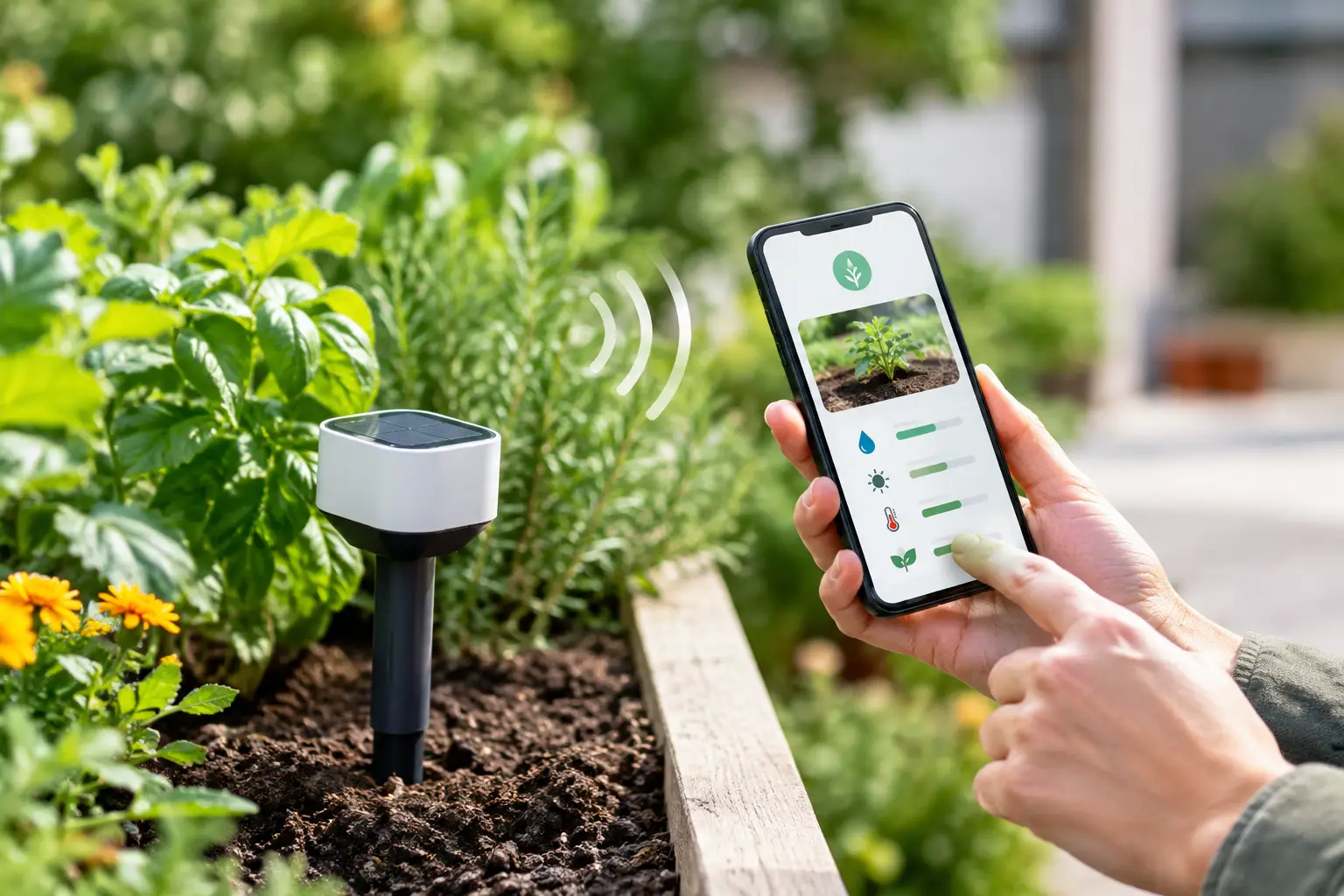
Local automations can also continue, provided the devices and platform support them. For example, a soil sensor may report a dry reading to a local controller, which then opens a compatible valve until the target is reached. Matter and Thread are particularly useful here because they are designed to support local device communication rather than making every action a round trip to a cloud server. Apple Home and Home Assistant can also run selected automations locally, depending on the devices and setup.
Manual operation is another useful fallback. Most outdoor smart valves provide a physical button, dial or override control. That means you can water a newly planted citrus, skip a run after heavy rain, or test a dripper line even if the mobile app cannot reach the device. It is a small feature with real value when you are standing in the garden rather than sitting at your desk.
What may stop when the connection drops
The features most likely to pause are those that need fresh information from outside your home. Live local weather is the obvious example. Without internet, a system cannot check whether rain is approaching, whether yesterday’s temperature was extreme, or whether wind and evaporation are unusually high. It can still follow its most recent local rules, but it cannot respond to new weather data until the connection returns.
Remote access also usually stops. If you are away for the weekend and your home internet is down, you may not be able to open a valve from your mobile. Alerts can be delayed for the same reason, including notifications about a low battery, a missed watering event or a sensor that has stopped reporting.
Cloud-only schedules and routines are the bigger concern. Some products send every command through their own servers. When that service, your internet connection or sometimes the vendor’s account system is unavailable, the valve may lose app control and scheduled operation. This does not make the product useless, but it does make it less suitable for a garden where missed watering could mean lost seedlings or stressed established plants.
Offline watering is not the same as intelligent watering
A saved schedule is better than nothing, but it is still a timer. It cannot tell the difference between a dry, windy week and two days of soaking rain. It cannot see that the tomatoes in one bed are drawing water faster than the native border next to it. And it cannot account for a sensor reporting that the root zone is already at its preferred moisture level.
That is where an internet-connected garden system earns its place. Weather-aware irrigation and plant-specific moisture targets reduce unnecessary watering when conditions change. Photo-based plant health checks can help identify a problem before it becomes another brown patch you notice from the back door. These capabilities work best with a connection, but they should complement a sensible local fallback rather than replace one.
With Verde, the practical approach is to use compatible smart valves and soil sensors for everyday automation, then set clear moisture targets and local schedules that protect your garden if live weather data is temporarily unavailable. Your garden remains organised in one app, while the physical watering plan is not left entirely to a cloud connection.
How to choose a smart valve that handles outages well
Before buying, look beyond the headline features and ask what the valve does when it cannot reach the internet. The answer should be specific. Does it retain schedules on the device? Can it be manually overridden? Does it require a proprietary hub? Can it communicate locally through Matter, Thread, Wi-Fi or a supported home automation system? Does it recover automatically after the router restarts?
Battery behaviour deserves equal attention. A valve may have enough power to run for months, but low batteries can cause missed commands, weak radio performance or a valve that closes unexpectedly. Use quality batteries where required, check their status before summer, and keep a spare set in the shed. For mains-powered irrigation controllers, consider whether a small uninterruptible power supply is worthwhile if your area has frequent outages.
Also check the fail-safe position. In most home gardens, a valve should default to closed if communications fail. That protects against wasted water and flooding. The trade-off is that an exceptionally hot outage period may leave plants without an extra emergency watering cycle. A short, conservative stored schedule is often the better compromise, especially for pots, new plantings and productive gardens.
Set up a fallback your garden can live with
Start by dividing your garden into zones with similar needs. A lawn, raised vegetable bed, shaded fern corner and sunny collection of pots should not share one watering rule simply because they are close together. Give each zone a baseline schedule that is safe but not excessive. This is the programme the valve can follow when advanced automation is unavailable.
Then layer smarter decisions over the top. Soil moisture readings should be the primary signal for whether water is actually needed. Weather can fine-tune timing and skip irrigation after rain. Plant targets can prevent a thirsty basil patch from being managed like drought-tolerant grevilleas. If the connection drops, the baseline schedule remains; when it returns, the system can resume making more precise calls.
Test this before you need it. Turn off your internet connection for an hour, without switching off power, and confirm that scheduled watering still occurs. Check whether your app can control the valve over the local network. Try the physical override. Then restart the router and make sure every device reconnects. Five minutes of testing can expose a setup issue long before a summer storm or service outage does.
For the most vulnerable plants, keep a low-tech backup as well. A watering can, a neighbour with a gate code, or a simple drip line on a conservative timer is not a step backwards. It is sensible garden care. Smart automation should remove repeated chores, not create a single point of failure.
The best smart valve setup is not one that promises to be connected every second. It is one that keeps the essentials running locally, uses live data when it is available, and gives you a clear manual option when you need it. That is how your garden stays cared for, even when the internet does not.