Garden Automation That Waters by Plant Need
Garden automation uses soil moisture, plant targets and weather to water each zone with care, helping Australian gardens stay healthy and use far less water.
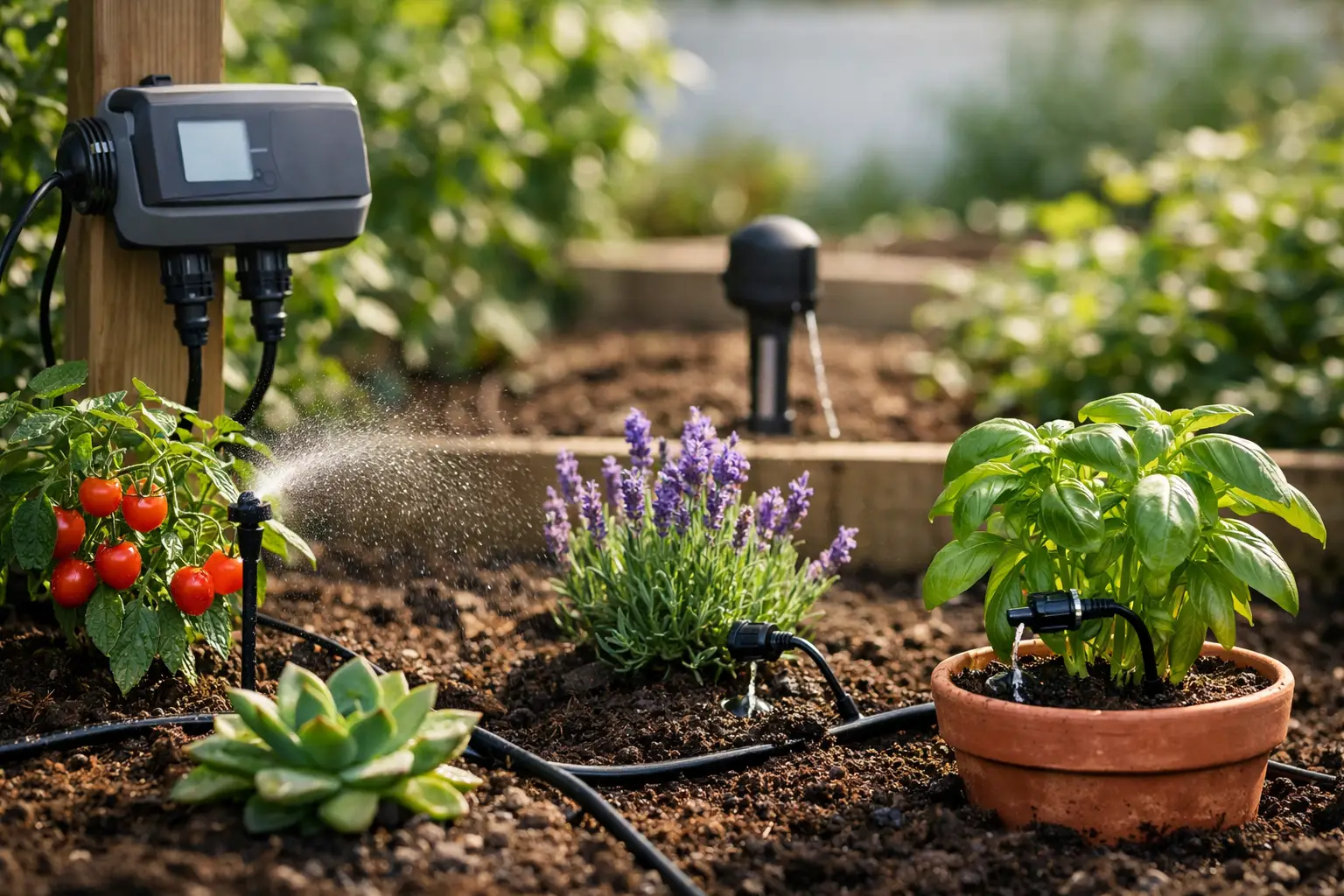
A basil pot baking beside the patio, a shaded fern by the back door and a thirsty tomato bed do not need the same drink. Yet a standard irrigation timer treats them as if they do. Garden automation changes that by using what is happening in your soil, the needs of each plant and the local weather to make watering decisions with more care.
For Australian gardens, that difference matters. Hot, dry afternoons can empty small pots quickly, while an established native garden may need very little extra water. Rain can make a scheduled run unnecessary. A connected garden system gives you a clearer view of these changing conditions, then takes care of the repetitive valve control for you.
What garden automation should actually do
A basic timer is useful, but it only follows a clock. It might run every second day for ten minutes regardless of whether the soil is already wet, rain is due or the plants in that zone have different moisture needs. That approach is simple, but it can waste water and still leave plants stressed.
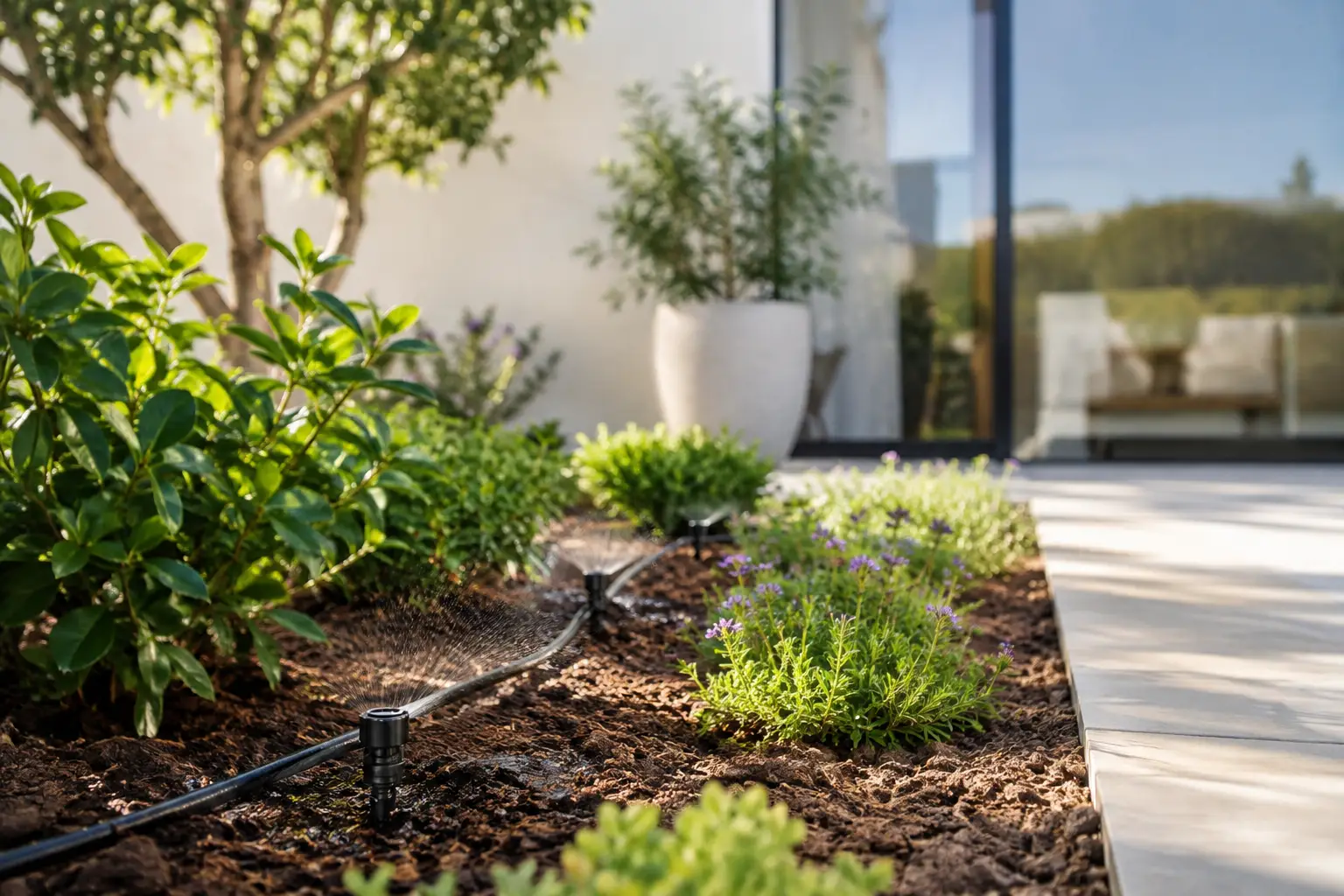
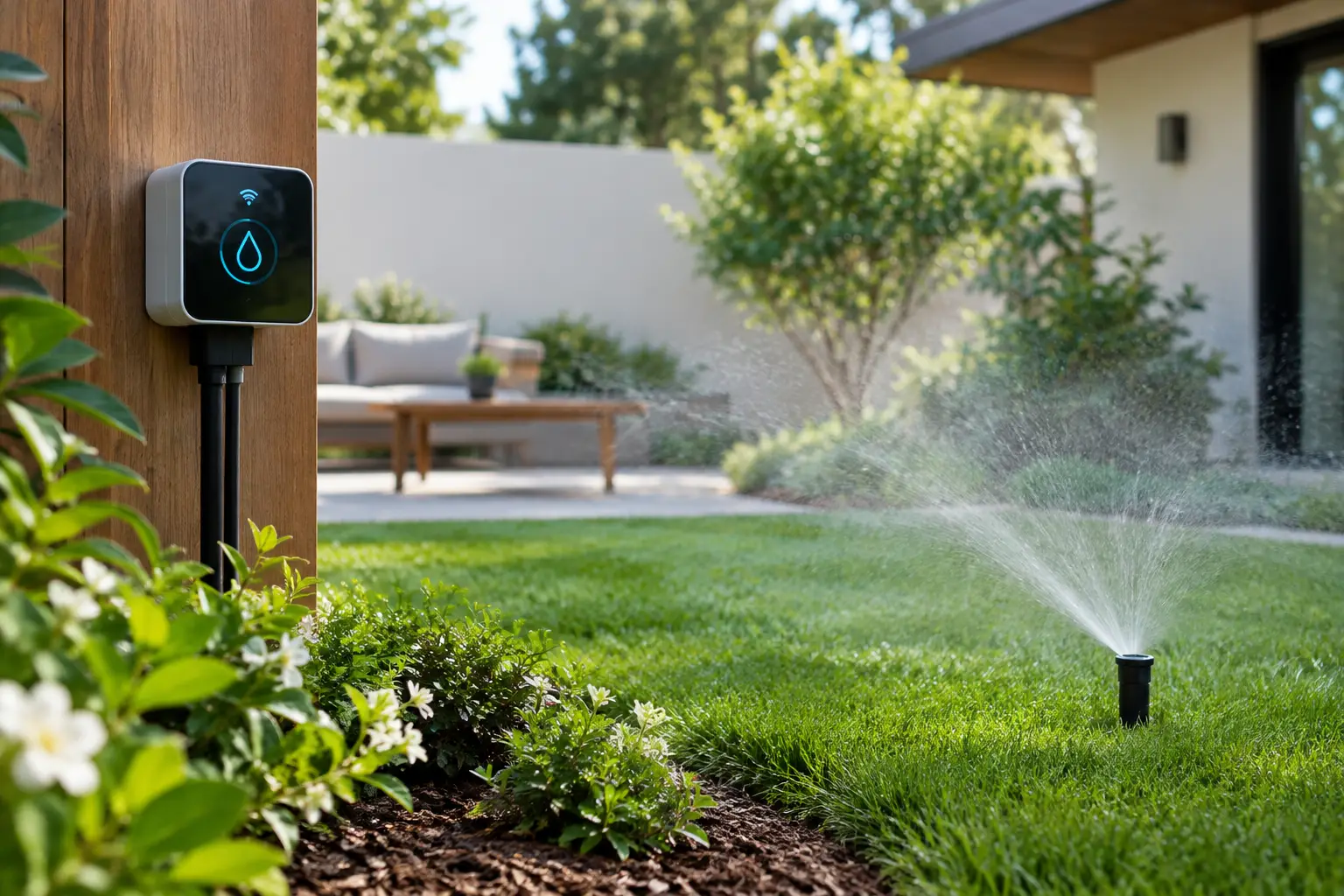
Useful garden automation works from conditions rather than routine. Soil moisture sensors report what is happening below the surface. A moisture target defines the range a particular plant or garden zone prefers. Weather data adds context, such as rain, heat and evaporation risk. When the soil falls below its target, the system can open a compatible smart valve. When enough water has been delivered, it can close it again.
This is not about removing the gardener from the garden. It is about removing the guesswork that comes with checking every pot, bed and lawn area by memory. You still choose what matters: which plants belong together, how wet you want their soil and when automation should pause. The system handles the checks that are easy to miss during a busy week.
The difference between schedules and moisture targets
Schedules remain helpful for some jobs. A newly planted hedge may benefit from a predictable establishment routine, and a lawn zone can have a sensible preferred watering window. But a schedule should be a starting point, not the only rule.
A moisture target adds a feedback loop. Rather than saying, “water at 6 am every Tuesday”, it says, “water only when this zone is genuinely dry enough to need it”. That can reduce unnecessary watering after rain and catch dry pots before leaves start to droop.
The right target depends on the plant, pot size, soil mix, sun exposure and season. A raised veggie bed in full sun may need a different threshold from citrus in a large container. Grouping plants with similar needs is therefore one of the most practical steps you can take before automating anything.
Start with zones, not devices
It is tempting to begin by buying sensors and valves. Start instead by looking at how your garden behaves. Walk through it in the morning or late afternoon and identify areas that dry at different rates. A north-facing wall, a covered courtyard and a lawn under mature trees are separate watering environments even if they sit only a few metres apart.
Create zones around shared conditions and plant needs. A useful zone might be “herbs in pots”, “front native bed”, “veggie patch” or “side lawn”. Each zone should have a water source you can control independently, along with plants that can reasonably share a moisture target.
Avoid creating zones that are too broad just to make the setup look tidy. If one valve serves both drought-tolerant grevilleas and thirsty hydrangeas, automation cannot make a perfect decision for both. You may need to separate the irrigation line, move container plants or accept a compromise target. Good garden automation improves control, but it cannot overcome a poorly matched irrigation layout.
Match sensors to the places that matter
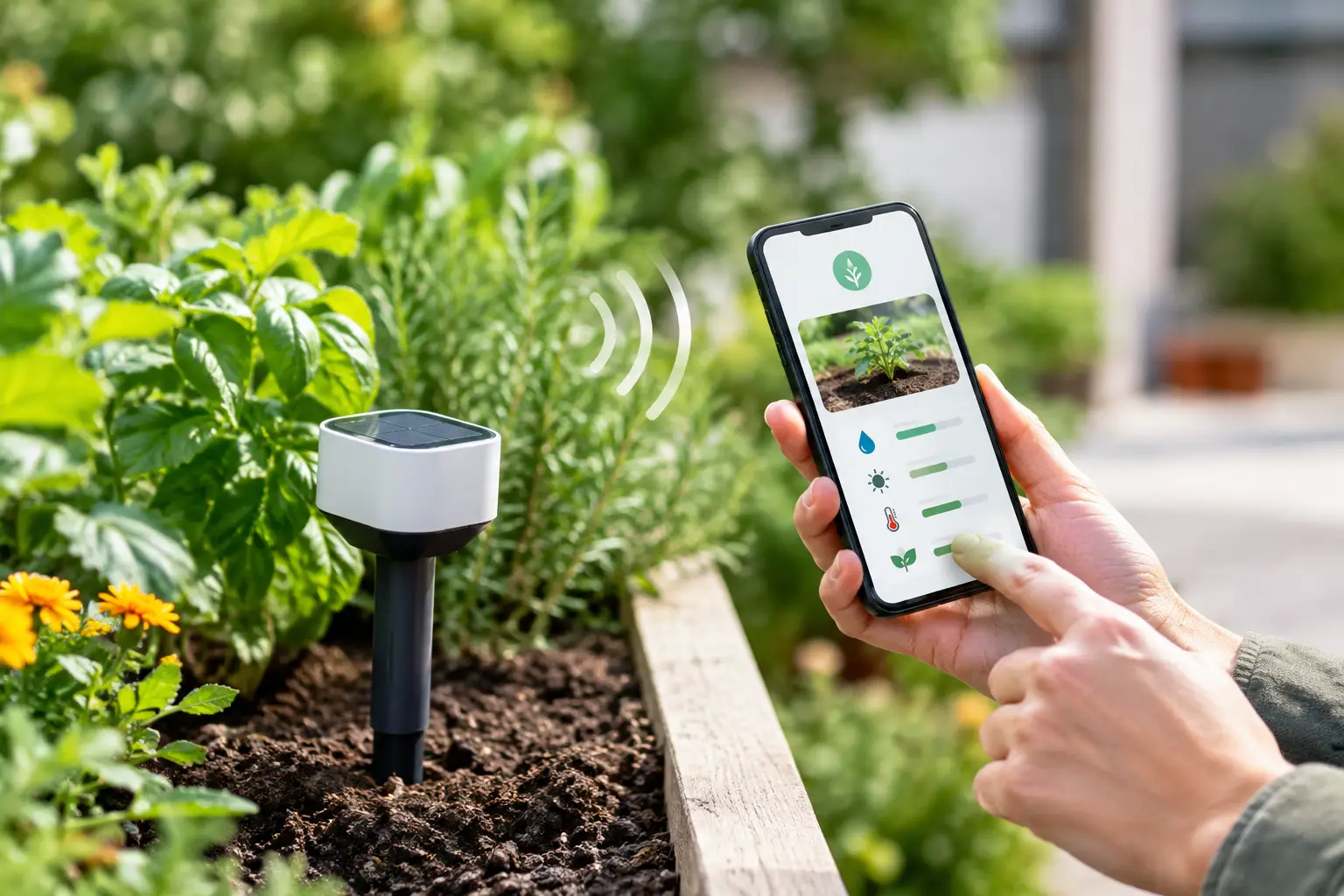
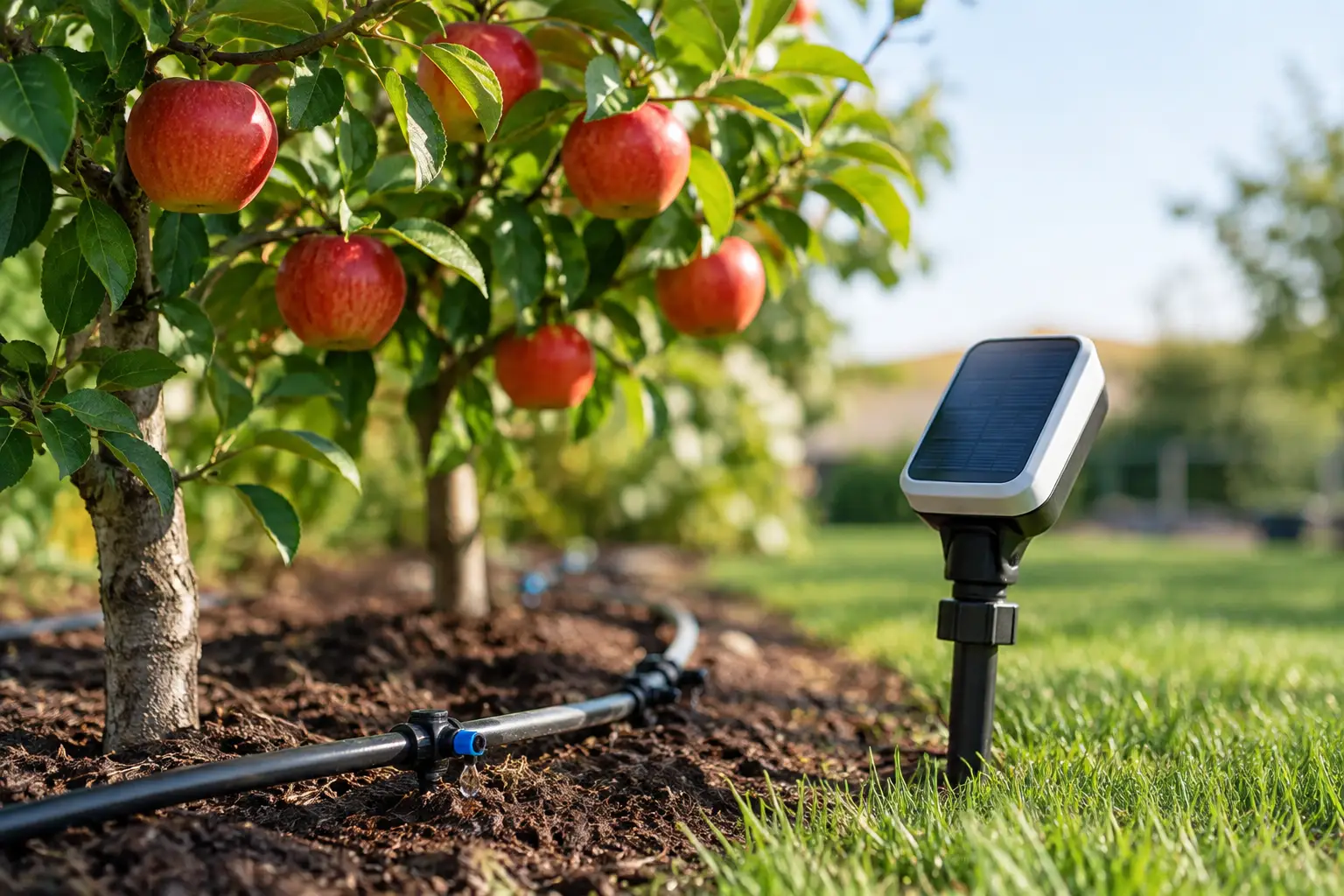
A soil sensor should sit where it can represent the root zone, not in the wettest corner of a bed or directly beside a dripper. For potted plants, place it at an appropriate root depth and away from the pot wall, where soil often dries differently. In a garden bed, choose a representative plant rather than the largest or most sheltered specimen.
One sensor can be enough for a small, uniform zone. Larger beds, mixed soil types and areas with uneven sun may need more than one. The goal is not to cover every square metre with hardware. It is to collect enough reliable information to make a better watering decision.
Check readings against the soil itself during the first few weeks. Feel the soil, observe plant growth and notice how quickly the moisture level changes after watering. Sensors are most useful when their readings are paired with your understanding of the garden.
Build a simple decision flow
The best automation feels quiet. It should not require daily adjustments or send a flood of notifications. A straightforward flow is usually enough: monitor the moisture level, compare it with the zone target, check weather conditions, then run the valve only when watering is needed.
Set sensible boundaries around that flow. You might limit watering to early morning, cap the maximum run time or pause irrigation if meaningful rain is forecast or has just fallen. These guardrails protect against overwatering if a sensor is displaced, a hose leaks or a zone is configured incorrectly.
Weather awareness is valuable, but it should not replace soil data. Forecasts can miss a local shower, and rainfall amounts vary across suburbs. Soil moisture tells you what reached the roots. Weather helps the system avoid obviously poor decisions, such as running a long cycle immediately before rain or during the hottest part of the day.
If you live in an area with water restrictions, review the current local rules before setting schedules or automation windows. A smart system can make watering more efficient, but it still needs to operate within the conditions that apply to your property.
Use plant knowledge to prevent costly mistakes
Watering is only one part of garden care. Plants often show trouble before a moisture sensor can explain it: pale leaves, spots, curling, pest damage or sudden wilting. Photo-based plant identification and health assessment can turn an uncertain observation into a practical next step.
This is especially useful when a garden has grown beyond a few familiar favourites. Photograph a plant, confirm what it is and save its moisture preference alongside the zone where it lives. Over time, the garden becomes organised around real plants rather than labels such as “Bed 3” or “tap near shed”.
AI advice should be treated as a helpful second set of eyes, not a final diagnosis. A yellow leaf could point to watering, nutrient issues, root stress, seasonal change or pests. Check the plant closely and use the recommendation to narrow down what to inspect. Automation is at its best when it makes you more observant, not less.
Choose interoperability over another isolated app
A connected garden should fit into the smart home setup you already use. Look for support for compatible smart valves and soil sensors, plus standards and platforms such as Matter, Apple Home, Google Home and Home Assistant. This gives you more flexibility to choose devices that suit your garden instead of being locked into one proprietary ecosystem.
It also keeps everyday control simple. You may want to check a valve from your mobile, include an outdoor tap in a broader home routine or receive an alert when a zone stays dry despite a watering run. These options are useful, but they should remain optional. Your garden should still have a clear control path if one platform is offline or a device needs attention.
Verde brings these pieces into one app: plant identification, health checks, moisture targets, weather-aware irrigation, zone organisation and compatible valve control. It is designed to work without a hub or subscription, so the system can stay focused on garden care rather than another layer of smart-home administration.
Keep control while the garden runs itself
The first month of garden automation is a learning period. Review watering history, compare it with plant condition and adjust targets gradually. If a zone is drying too far before watering begins, raise the target slightly. If the soil stays wet for too long, lower it or shorten the run time. Change one setting at a time so you can see what made the difference.
Seasonal review matters too. A setting that works in a mild Melbourne autumn will not suit a run of hot summer days, and a sheltered Sydney courtyard may behave very differently once winter rain arrives. Automation reduces daily effort, but a short check at the change of season keeps it aligned with the garden you actually have.
The aim is not a garden that runs without you. It is a garden that no longer relies on you remembering every thirsty pot, every forecast and every valve. When watering responds to the plants and soil in front of it, you have more time for the satisfying parts: harvesting, pruning, planting and noticing what is growing well.