Hub Based Versus Hubless Irrigation Compared
Compare hub based versus hubless irrigation for Australian gardens. See how each setup affects reliability, cost, smart-home compatibility and control.
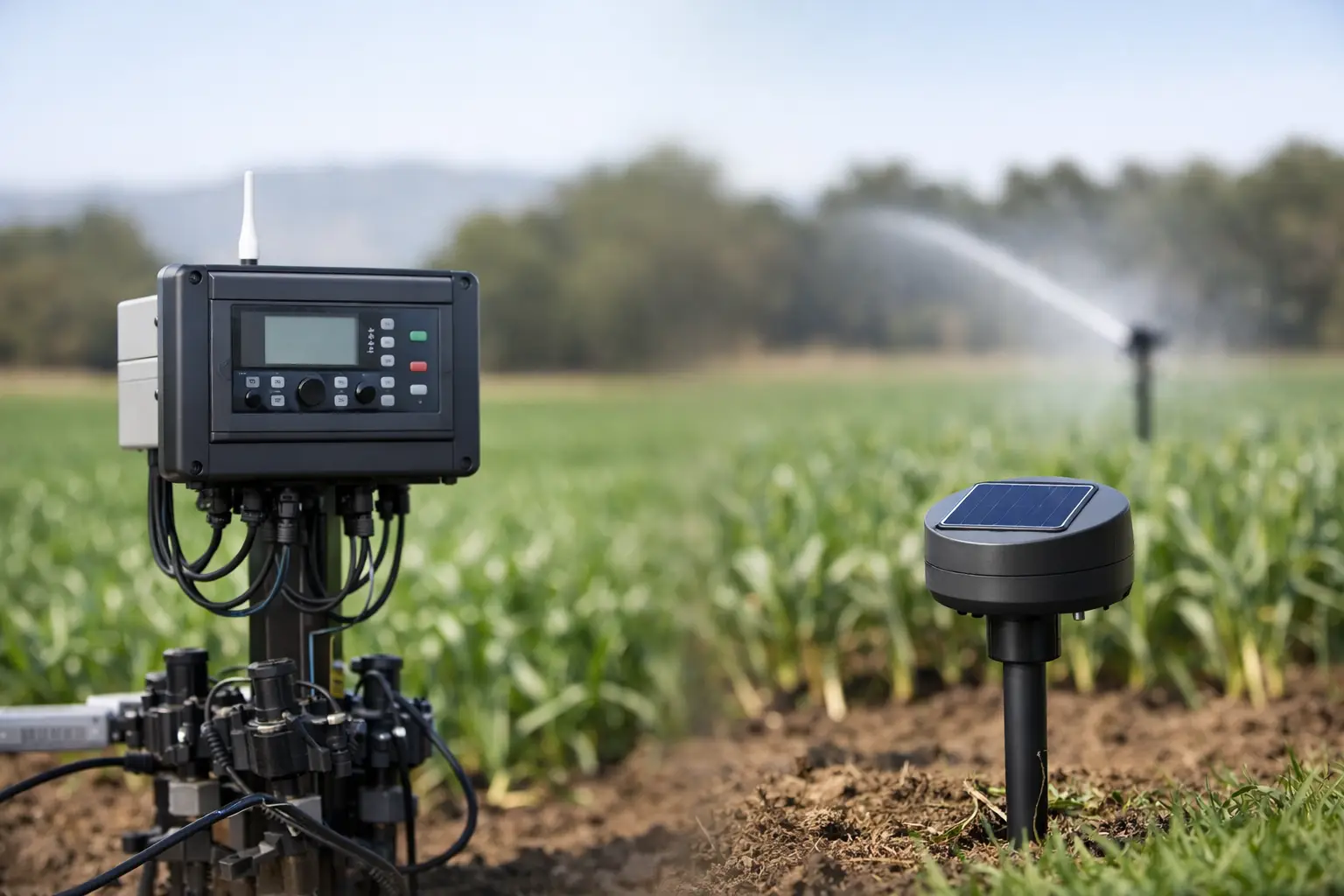
A timer that waters every zone at 6 am is not necessarily smart irrigation. If rain has already soaked the garden, a sensor says the soil is wet, or one bed dries faster than the next, the system needs a better decision. That is where hub based versus hubless irrigation becomes more than a technical buying question. It shapes how easily your garden can respond to real conditions.
For Australian households, the right setup depends on the size of the garden, the devices you already use and how much control you want when the Wi-Fi drops out or the weather changes quickly. A hub can be useful in the right system. But for many home gardens, it also adds hardware, setup steps and another point of failure that does not improve the watering result.
Hub based versus hubless irrigation: the practical difference
A hub-based irrigation system uses a central device to connect valves, sensors and sometimes other smart-home equipment. That hub may plug into your router, connect over Ethernet, use Wi-Fi, or communicate with garden devices through Zigbee, Z-Wave or a proprietary radio protocol. Commands often travel from your mobile app to the hub, then from the hub to the valve or sensor.
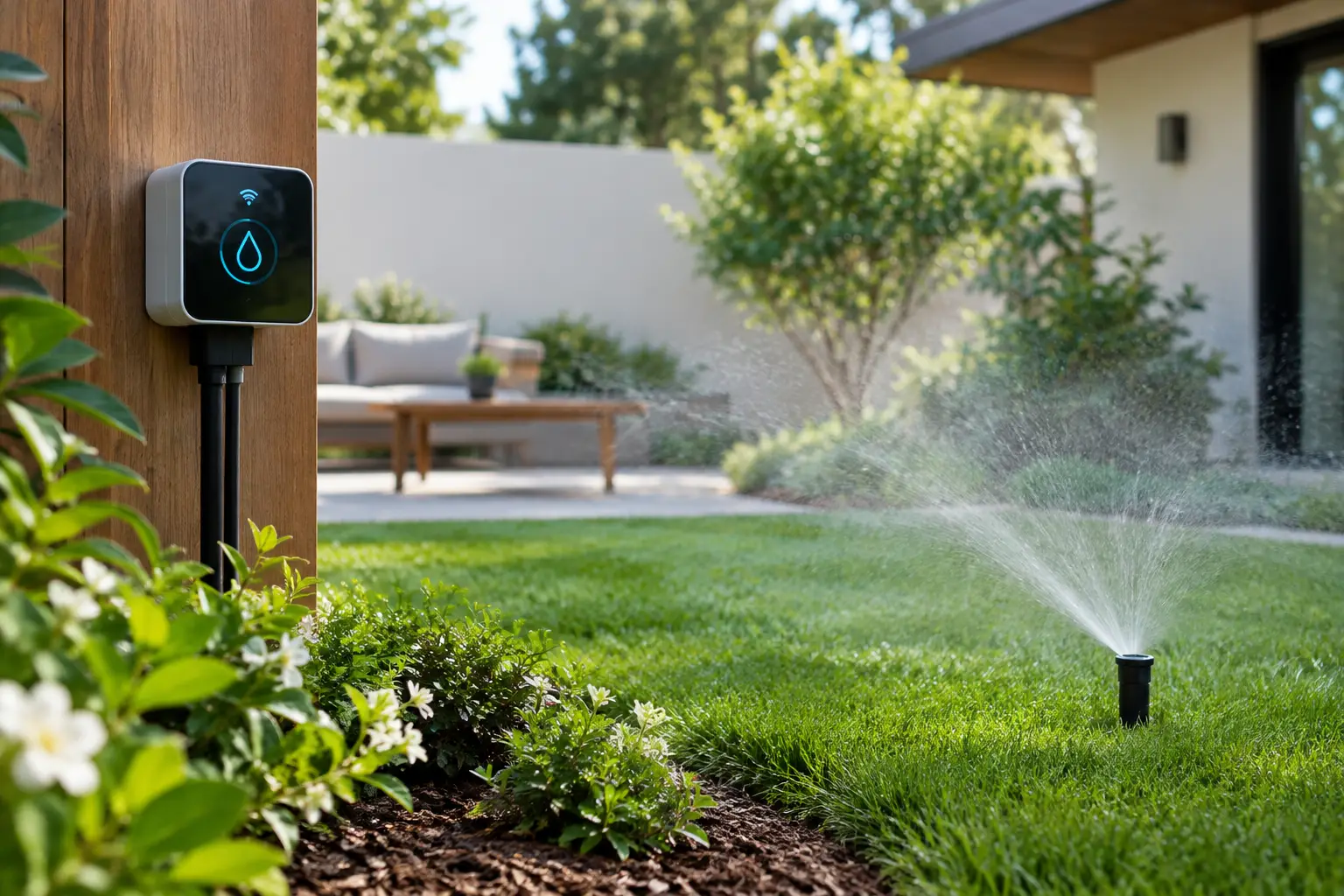
A hubless system lets compatible devices connect directly through your home network or an existing smart-home controller. Depending on the product, this may mean Wi-Fi, Bluetooth, Thread or Matter. Rather than buying and maintaining a dedicated irrigation bridge, you use the connectivity already available in your home.
Neither approach automatically makes watering more accurate. Accuracy comes from the information behind the decision: soil moisture, weather, plant requirements, zone flow and sensible automation rules. The connection method determines how the system is installed, managed and expanded.
When a dedicated hub makes sense
A hub can be a sensible choice when you have a large property or devices spread well beyond the reach of reliable Wi-Fi. Some low-power radio systems can also help battery-powered sensors run for longer, especially where they send small readings at intervals rather than staying constantly connected.
Dedicated hubs can be helpful where a brand has designed its entire ecosystem around one protocol. A single hub may coordinate many valves and sensors, keep certain automations running locally, and reduce the number of devices competing for your Wi-Fi. For a large garden with dozens of devices, that central arrangement can be easier to manage than a collection of unrelated products.
There is a trade-off. The hub is another powered device to buy, place, update and troubleshoot. If it loses power, its connection fails or the manufacturer discontinues support, a system built around it can lose key functions. Some hubs also limit you to one brand’s devices, even when better sensors or valves become available elsewhere.
A hub is not inherently bad. It should earn its place by improving range, local control or device management. If it simply exists to make one valve talk to one app, it may be adding complexity rather than solving a garden problem.
Why hubless irrigation suits many home gardens
Hubless irrigation removes a common barrier: opening a box and discovering you need a second box before you can water the garden. For a courtyard, lawn, veggie patch or multi-zone suburban block, direct connectivity can mean fewer parts, fewer power points and a faster path from installation to useful automation.
The strongest hubless setups use open, widely supported standards rather than forcing every device through a vendor-specific bridge. Matter is particularly useful here because it is designed to work across compatible smart-home platforms, including Apple Home, Google Home and Home Assistant. That gives homeowners more freedom to choose how they view and control their connected home.
Hubless does not mean every device acts alone. A Thread border router, for example, may support Thread devices while also serving other smart-home functions. The key difference is that it is not a single-purpose irrigation hub you must purchase and depend on solely for watering.
For renters and homeowners who want to start small, hubless systems are also easier to grow. Begin with one compatible valve and a soil sensor in the thirsty bed. Add another zone when you are ready. You are not committing to a closed ecosystem before you know what your garden actually needs.
The real reliability question is local control
The best question is not simply, “Does it have a hub?” Ask what happens when internet access is interrupted, the app is unavailable, or your router restarts.
A well-designed irrigation system should have a safe fallback. Basic schedules may continue locally on the valve or controller. Moisture thresholds and weather-based decisions may depend on the platform and the data available, but your garden should not be left at the mercy of a temporary outage. Equally, the system should avoid turning watering into a mystery. You need to see whether a zone ran, why it ran and what sensor reading triggered the action.
Hub-based systems sometimes offer local automation because the hub remains on your network. Hubless systems can do the same where compatible devices and controllers support local processing. Check the detail rather than assuming one architecture is more reliable by default.
Your home network matters too. A valve near the back fence with weak Wi-Fi will not become dependable because the app looks polished. Before choosing a system, test signal strength in the garden, consider device placement, and make sure outdoor equipment is rated for heat, rain and the conditions it will face.
Water savings come from better decisions, not more devices
A hub, by itself, cannot tell the difference between a newly planted hydrangea, an established rosemary bush and a patch of buffalo lawn. Their moisture needs are different, and their soil can dry at different rates even when they share a fence line.
That is why fixed schedules have limits. They are useful as a fallback, but they often water because the calendar says so rather than because the plant needs it. Weather-aware irrigation is better, but local weather alone cannot show whether a pot under an eave stayed dry or whether a shaded bed is still holding water after rain.
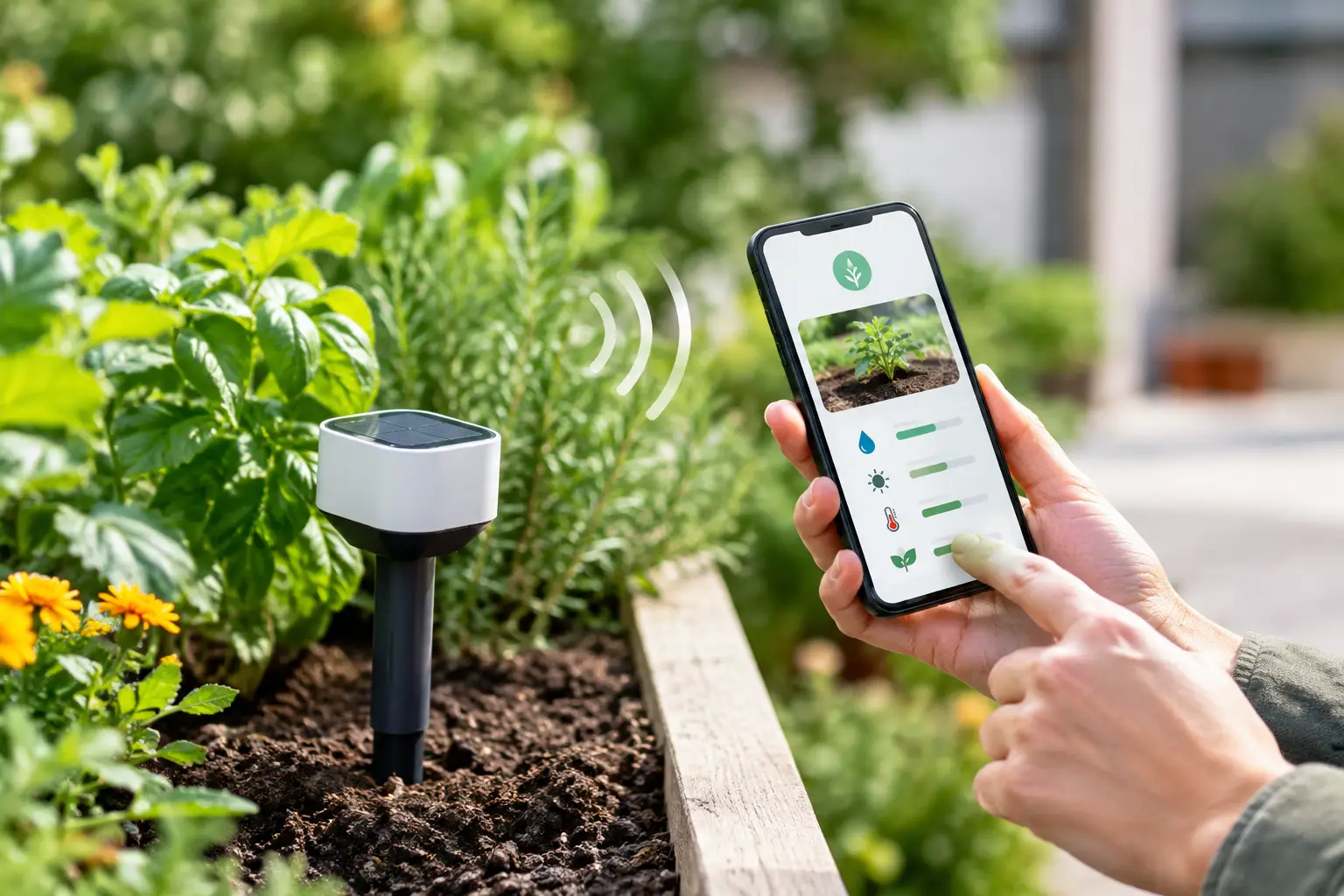
A more useful flow starts with the plant and the soil. Identify the plant, set an appropriate moisture target, monitor the zone, then open or close the valve according to actual conditions. This creates a practical balance: plants receive water when needed, and you avoid running sprinklers after meaningful rainfall or saturating a bed that is already wet.
Verde is built around this approach. It works with compatible smart valves and soil sensors to organise garden zones, set plant-level moisture targets and automate watering from live conditions, without requiring a dedicated hub or a subscription. The result is one app for the whole garden, rather than a timer for the lawn, another app for a sensor and a separate note reminding you which pot dries out first.
Compare the ongoing cost, not just the starter kit
Hub-based products can look affordable until the required bridge, proprietary sensors or premium plan are added. A hubless system may cost less to begin with because there is no central device, although direct-connect valves and sensors can still vary widely in price.
Also look beyond the initial purchase. Does the manufacturer charge for weather automation, historical data or multiple zones? Can you use your own compatible devices? Will the system keep working if you change smart-home platforms? Subscription costs and lock-in are easy to overlook when the immediate task is replacing an old tap timer.
For most gardens, the best value comes from buying only the hardware that improves a watering decision. A moisture sensor in a problem zone can be more useful than several decorative smart gadgets. Start with the areas that are costly to replace, difficult to remember or consistently overwatered.
Choose the setup that leaves you in control
Choose a hub-based system if you need its specific radio range, are building a large single-brand installation, or it provides reliable local control that directly suits your property. Choose hubless irrigation if you value fewer dedicated devices, open-platform compatibility and the flexibility to add compatible valves or sensors over time.
Whichever path you take, keep the garden at the centre of the decision. Check that you can set meaningful moisture targets, see what each zone has done, override watering when needed and avoid paying for features that merely make irrigation look smarter. A good system should quietly handle the repetitive work while still making every watering decision easy to understand.