Irrigation Valves That Water Smarter, Not Longer
Choose irrigation valves that suit your garden, then pair them with soil moisture, weather and plant targets for watering that wastes less water at home.
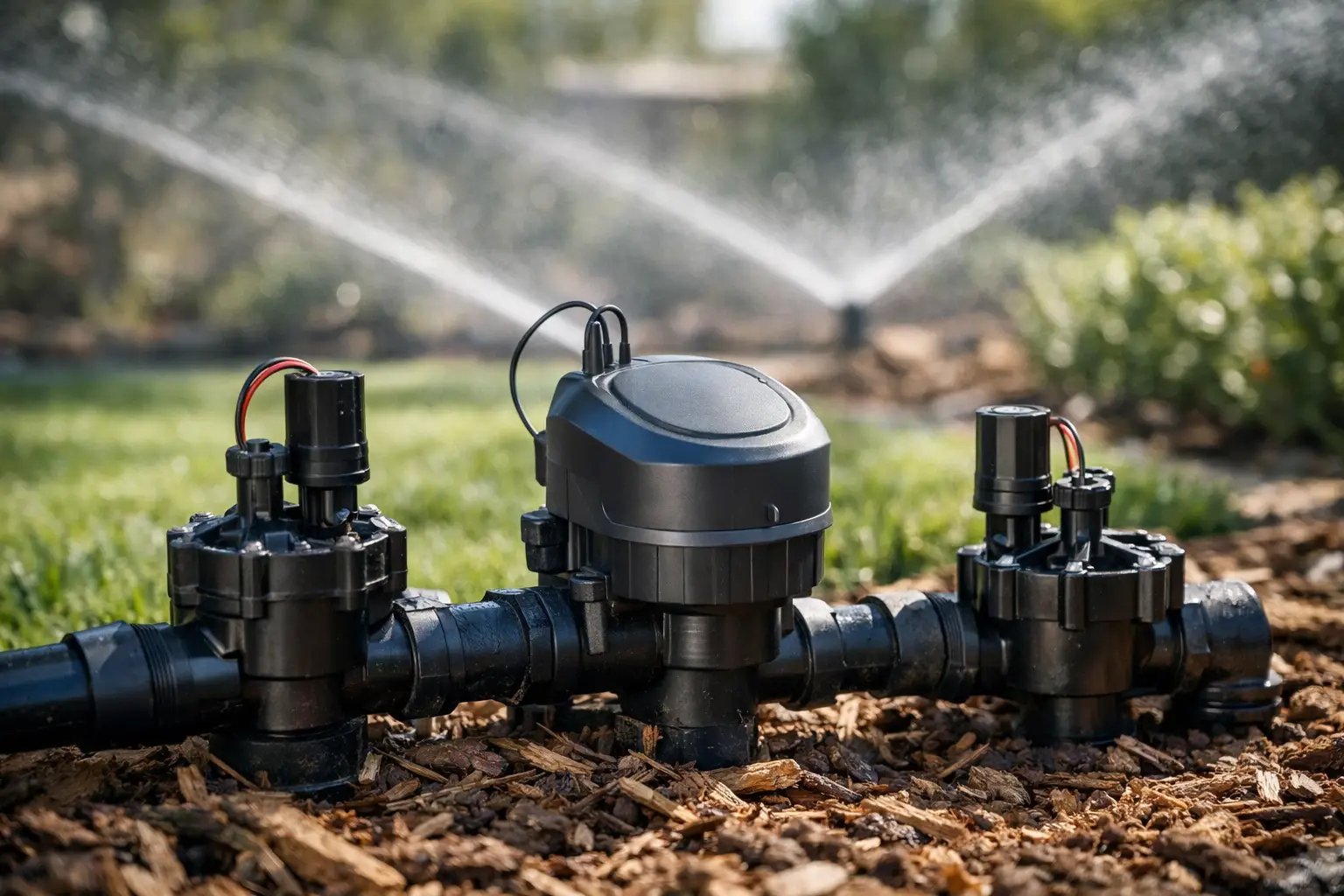
A garden can look thirsty at 3 pm and still have enough moisture at its roots. It can look fine after a hot day while a newly planted shrub is already under stress. That is why irrigation valves matter: they are the point where a watering decision becomes real water moving through your garden.
A basic timer can open a valve every Tuesday and Saturday whether it has rained, whether the soil is saturated, or whether the plants in that zone need a drink. A smarter setup treats the valve as the final action in a better process: check the soil, consider the weather, understand the plants, then water only when it is needed.
What irrigation valves actually do
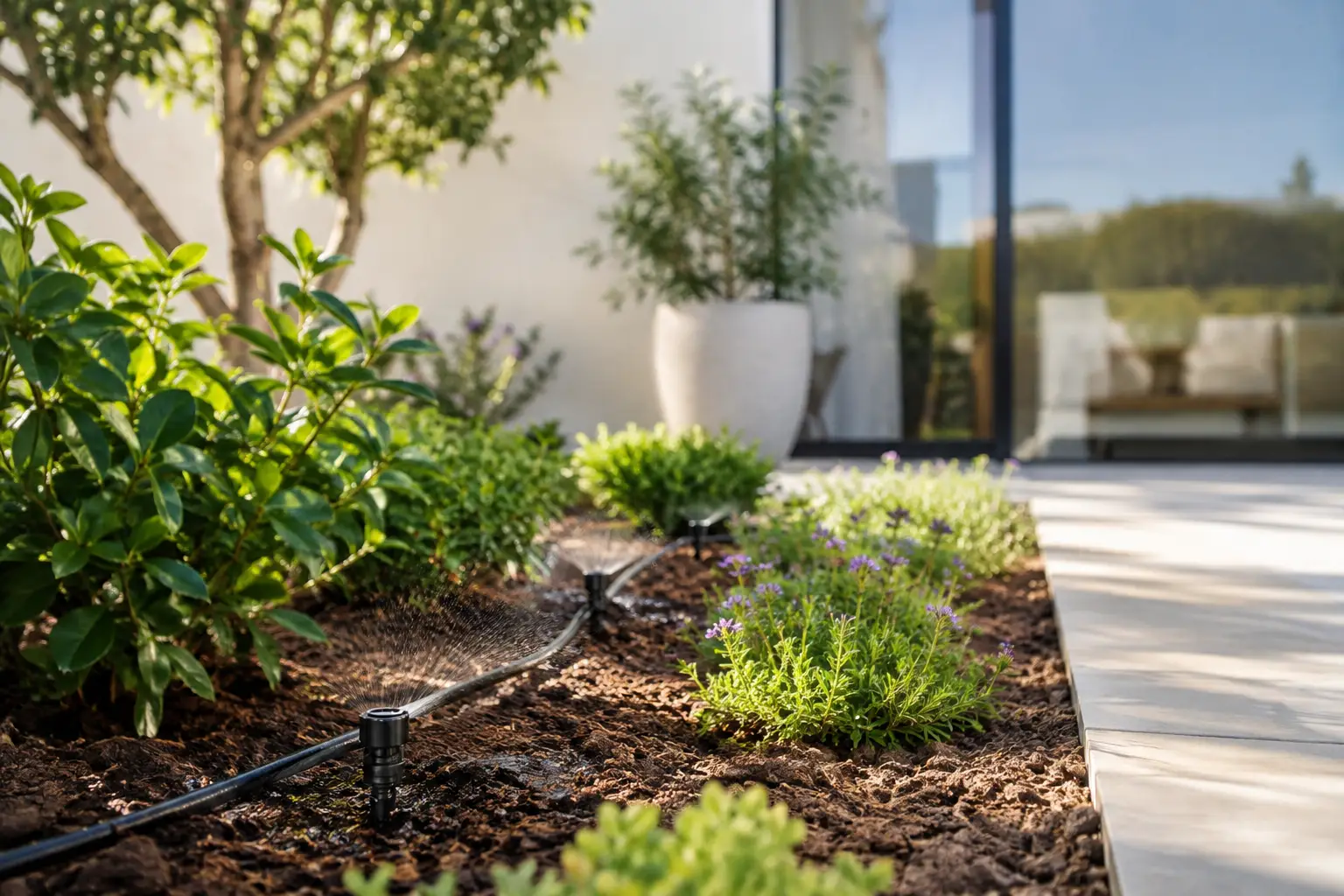
An irrigation valve opens and closes the water supply to a section of your irrigation system. Each valve usually controls one garden zone, such as a lawn, veggie patch, hedge line or group of pots on the patio. When the valve opens, water travels to the sprinklers, drippers or micro-sprays connected to that zone. When it closes, watering stops.
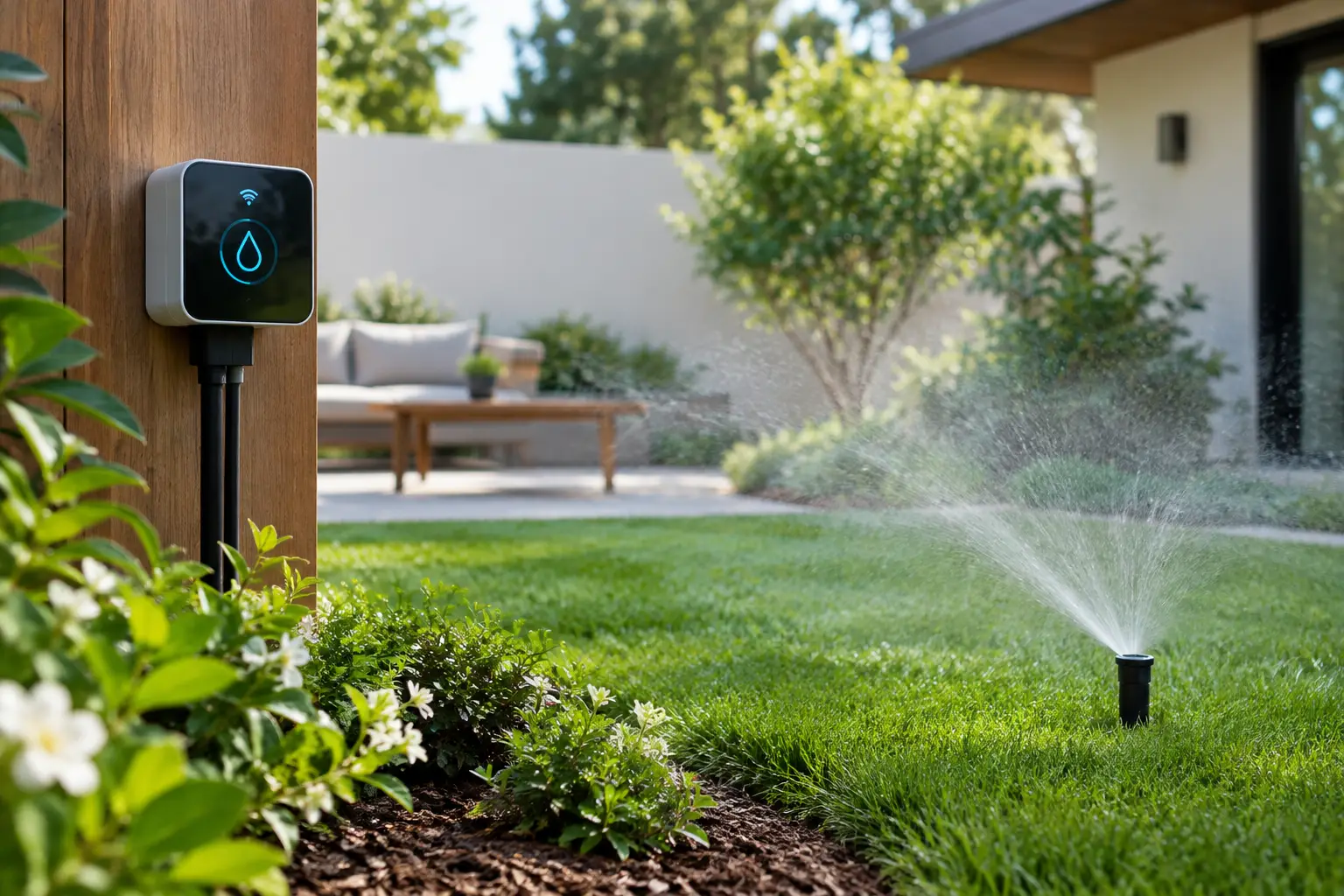
Most residential systems use solenoid valves. These contain an electrical solenoid that lifts or lowers an internal diaphragm when it receives a signal from a controller. Traditional controllers send that signal according to a fixed schedule. Smart controllers and compatible smart valves can respond to app commands, automations, soil sensors and local weather conditions.
The valve itself does not know whether your rosemary is dry or whether yesterday's rain reached the root zone. It simply carries out the instruction. The quality of your garden watering therefore depends on both the valve hardware and the information guiding it.
Choose the valve arrangement before choosing the automation
It is tempting to start with a smart device, but the physical layout needs to make sense first. A single valve can only give one instruction to everything connected to it. If your lawn, native garden and thirsty vegetables all share the same line, they will all receive the same watering event, even though their needs are completely different.
Separate zones where plant needs, sun exposure or irrigation methods differ. A north-facing lawn may need a different approach from a shaded fern bed. Drippers in raised vegetable beds run differently from pop-up sprinklers across turf. Grouping plants with similar moisture preferences gives every valve a useful job.
For many suburban gardens, practical zones include lawn, ornamental beds, vegetables, pots and newly established plants. You do not need a valve for every plant. You do need enough separation to avoid watering the whole garden for the sake of one dry area.
Flow, pressure and pipe size still matter
Smart control cannot correct poor hydraulic design. If too many emitters run from one valve at once, low pressure can leave the furthest plants under-watered. If a zone has very few emitters and excessive pressure, water may mist, spray beyond the bed or run off compacted soil.
Check that your valve size suits the pipework and expected flow rate. In Australian home systems, 24 V AC solenoid valves are common in wired irrigation installations, while some connected setups use battery-powered or latching options. What is compatible depends on your existing controller, wiring and water supply. If you are changing mains-connected plumbing or unsure about backflow prevention, use a qualified irrigation professional or plumber.
The difference between a timer and smart valve control
A timer answers one question: what time should watering start? That is useful, but incomplete. Gardens change day to day. Rainfall can be patchy, a heatwave can dry pots rapidly, and cool cloudy weather can slow water use across the garden.
Smart valve control can add conditions to the schedule. Instead of "water for 20 minutes at 6 am", the instruction can become "water this zone if soil moisture is below the target, rain is not expected, and the permitted watering window is open". The valve still opens for a defined reason, but the reason reflects what is happening in the garden.
This does not mean every garden should run without schedules. A schedule remains useful as a guardrail, particularly where council water restrictions set permitted days or times. The better approach is to use schedules as boundaries, then let soil and weather determine whether a planned watering event is actually necessary.
Soil moisture gives valves a reason to act
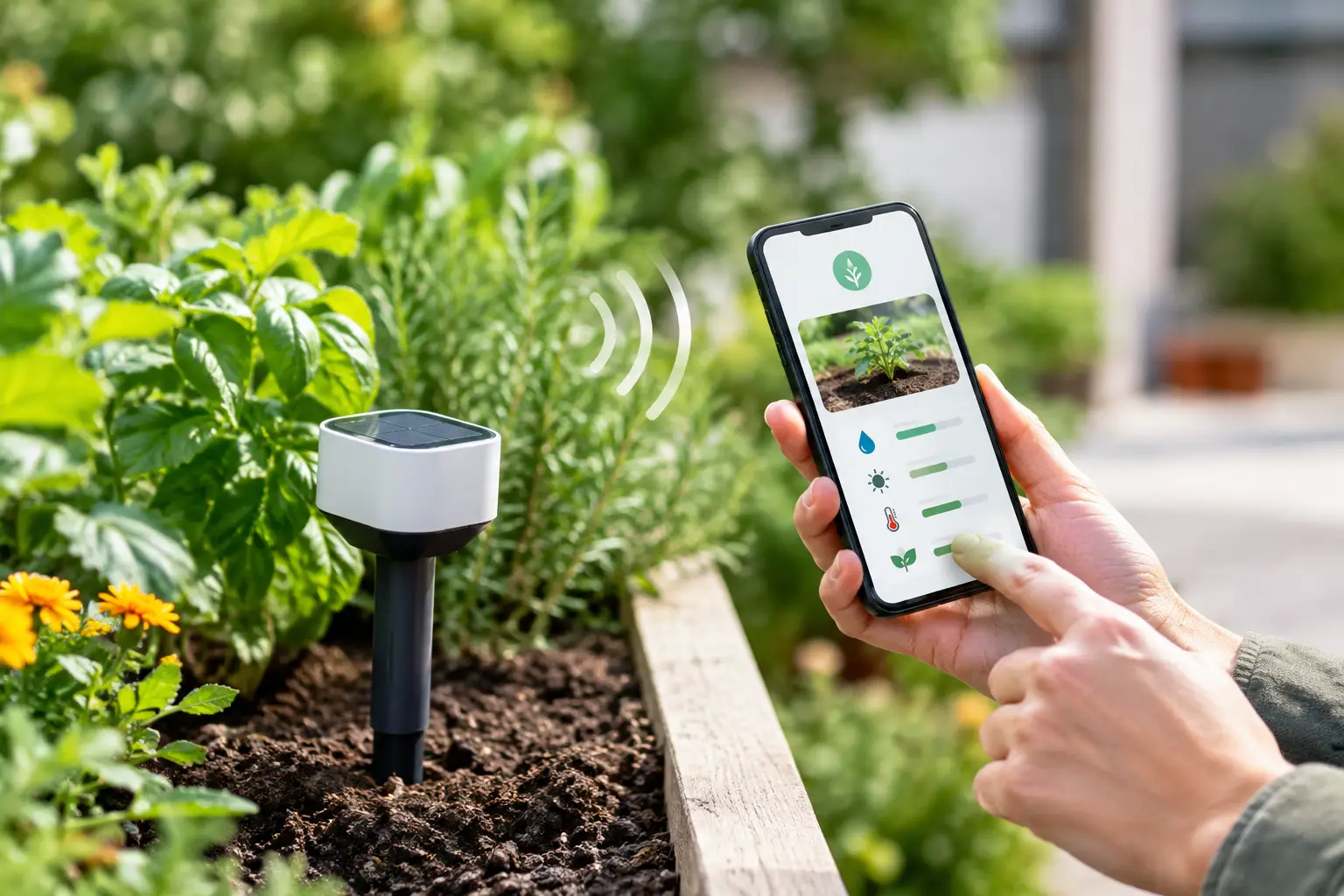
Weather data is helpful, but it cannot tell you exactly what is happening beneath your mulch. One garden may receive 10 mm of rain and retain it well; another may shed much of it down a slope or through sandy soil. A soil-moisture sensor provides a local reading from the root zone, where the decision matters.
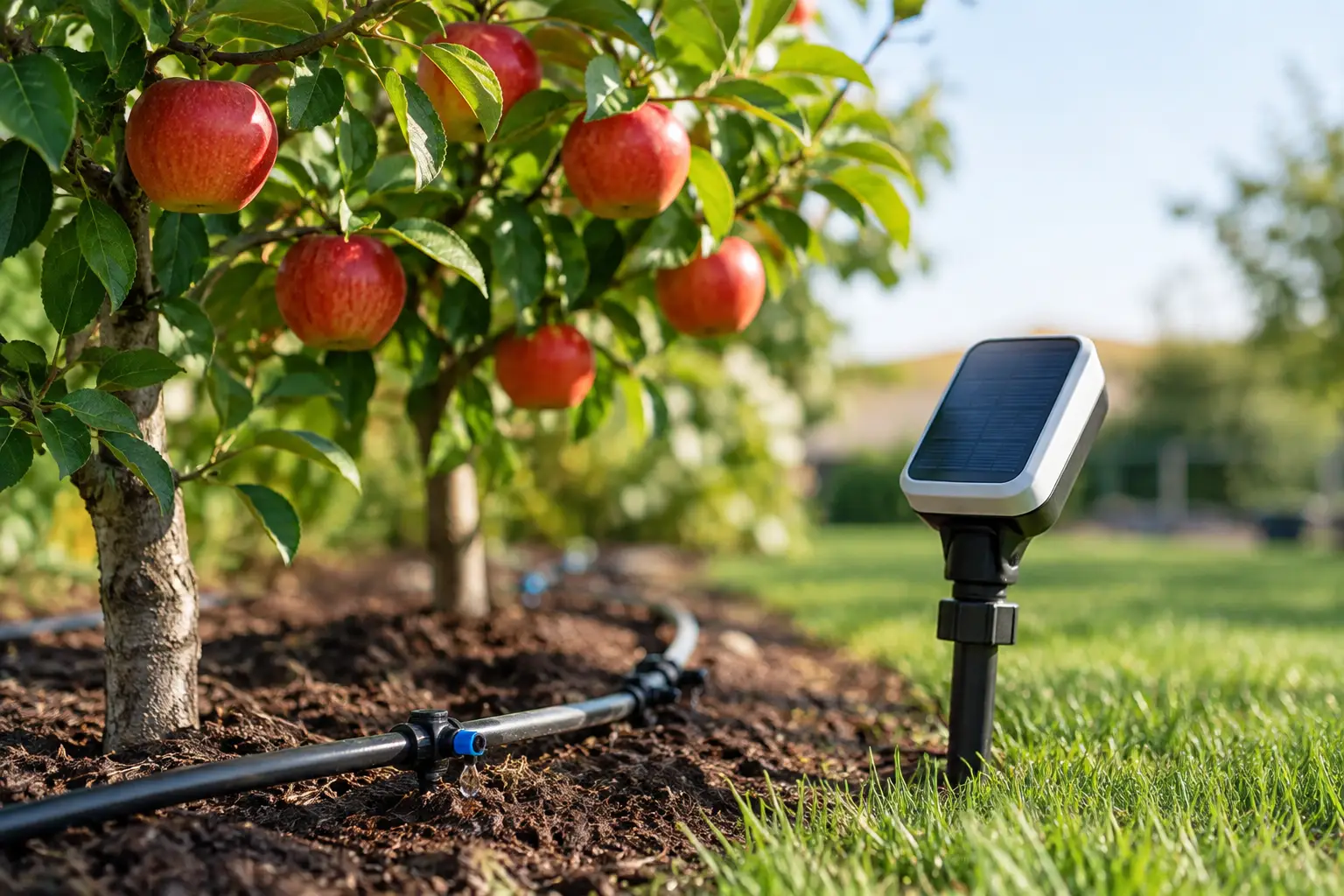
Place sensors where they represent the plants controlled by the valve. For a veggie bed, that generally means near active roots rather than beside an emitter or at the bed edge. For a mixed ornamental zone, choose an area that reflects the plants most likely to suffer if the zone gets too dry. Avoid putting one sensor in a permanently damp pocket and expecting it to speak for an entire sunny bed.
Set a moisture target appropriate to the plants, rather than using one number everywhere. Established drought-tolerant natives can tolerate a different drying cycle from basil, hydrangeas or fresh seedlings. The aim is not permanently wet soil. Overwatering can reduce oxygen around roots, encourage disease and waste a surprising amount of water.
A well-designed automation also needs a stop point. If a valve opens when moisture falls below a minimum threshold, it should close when the desired range is restored or when a sensible maximum run time is reached. That combination protects against both dry soil and a sensor or plumbing issue causing endless watering.
Use weather as a safeguard, not a guess
Weather-aware irrigation can skip a watering event when rain is likely, delay watering after meaningful rainfall and account for high temperatures. It reduces the familiar waste of sprinklers running while rain is falling, but its real value is more subtle: it helps the system avoid watering based on stale assumptions.
There are limits. Forecast rain may miss your street, especially during a summer storm. A predicted shower is not the same as water stored in the soil. For that reason, local soil moisture should carry more weight than a forecast when the two disagree. Weather is context; the root zone is evidence.
For exposed balconies, courtyards and pot collections, weather can still be particularly useful. Wind and heat dry containers faster than garden beds, while a sheltered pot under an eave may receive none of the rain recorded nearby. Organise these areas as separate zones where possible, and use their own moisture measurements if they are high-value or prone to drying out.
Compatibility is more than a logo on the box
Before buying smart irrigation gear, confirm what you already have. Check whether your valves are wired to a conventional controller, whether you need a controller that supports your valve type, and whether the product can communicate with your preferred smart-home system.
Matter support can make connected devices easier to manage across platforms, while Apple Home, Google Home and Home Assistant compatibility may matter if you already use automations elsewhere in your home. Compatibility should also include the practical side: reliable Wi-Fi or another suitable connection at the controller location, access to power where needed, and a manual way to run a zone if your network is unavailable.
Avoid building a garden system that requires several apps just to answer a simple question: did this bed get watered today? One clear view of zones, valves, soil readings, weather conditions and watering history makes it easier to spot problems early.
Verde brings those pieces together in one app, using compatible smart valves and soil sensors to connect plant moisture targets with valve control. You can organise the garden by zone, see what is happening at the soil level and automate watering without adding a hub or subscription.
Set up automations that protect the garden
The best automation is not the most complicated one. Start with a conservative rule for one zone, observe it through a week of typical weather, then adjust. Newly planted areas deserve closer monitoring than established beds, and plants in pots often need shorter, more frequent watering than deeply rooted shrubs.
Include sensible limits. Set maximum valve run times, configure rain delays, and use notifications for unusually long watering events or moisture readings that do not change after irrigation. If the valve runs but moisture remains low, the cause may be a blocked dripper, an empty tank, a leak, poor sensor placement or soil that needs slower, deeper watering.
Also inspect the hardware occasionally. Clean filters, check for weeping valves, replace damaged drippers and make sure sprinkler heads are not watering the footpath. Automation removes repetitive decisions, not the need for basic maintenance.
A good irrigation system should feel quiet in the background: watering each zone for a reason, stopping when it has done enough, and leaving you with healthier plants and one less chore to remember.