Matter Smart Irrigation Controller: What It Changes
A Matter smart irrigation controller brings garden watering into your connected home. Learn what it does, where it helps and what to check before buying.
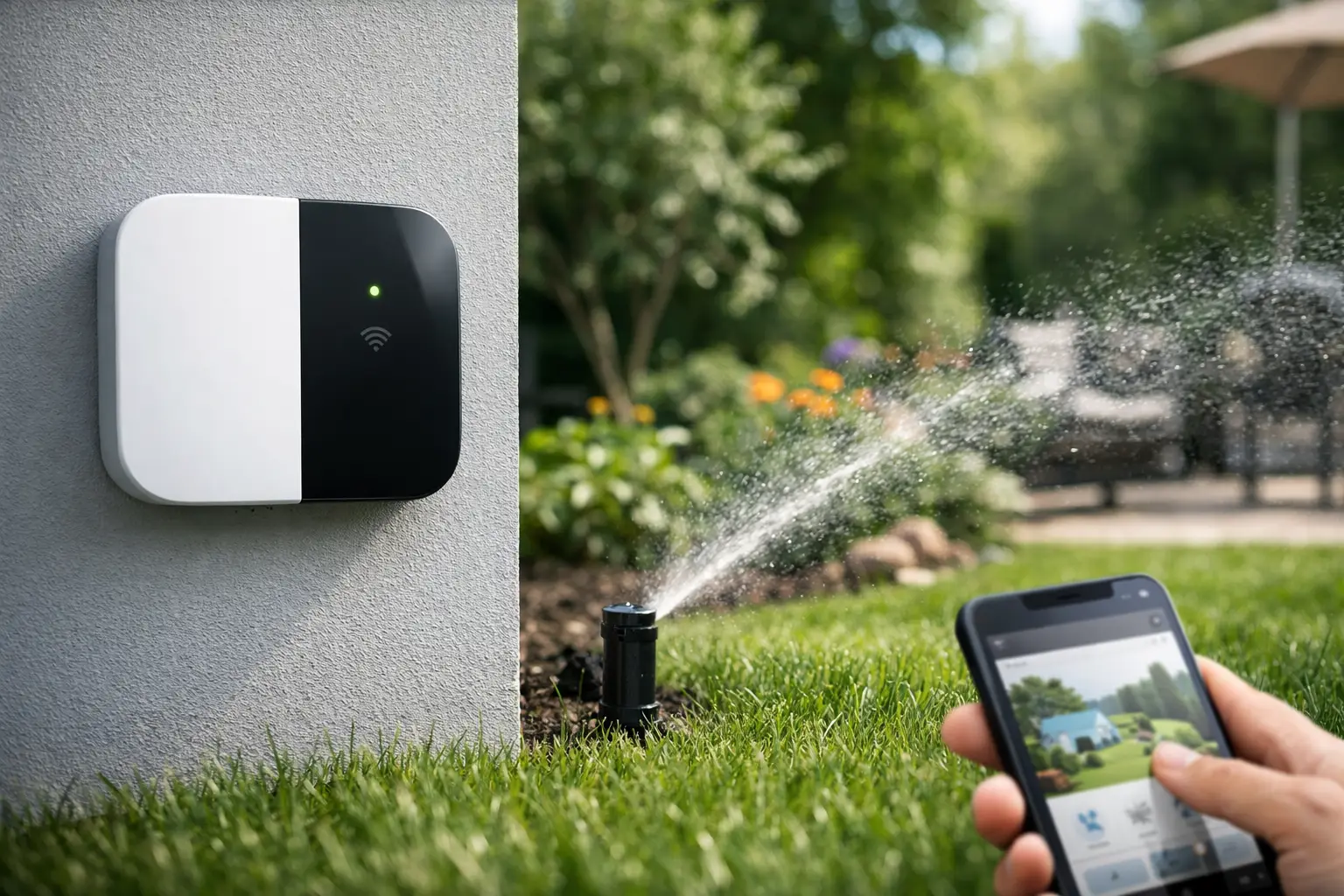
A Matter smart irrigation controller sounds like a small upgrade to a garden tap. In practice, it can change the way you manage every bed, lawn, pot and thirsty hedge. The value is not simply turning water on from your mobile. It is putting garden irrigation into the same connected-home system you already use, while retaining the control needed for real plants in real Australian weather.
For a garden with more than one watering need, that matters. A fixed timer may give the lawn, tomatoes and native shrubs the same run time even though they dry out at completely different rates. A connected controller gives you a better starting point. Add soil data, local weather and plant-level targets, and watering can become a response to conditions rather than another chore to remember.
What a Matter smart irrigation controller actually does
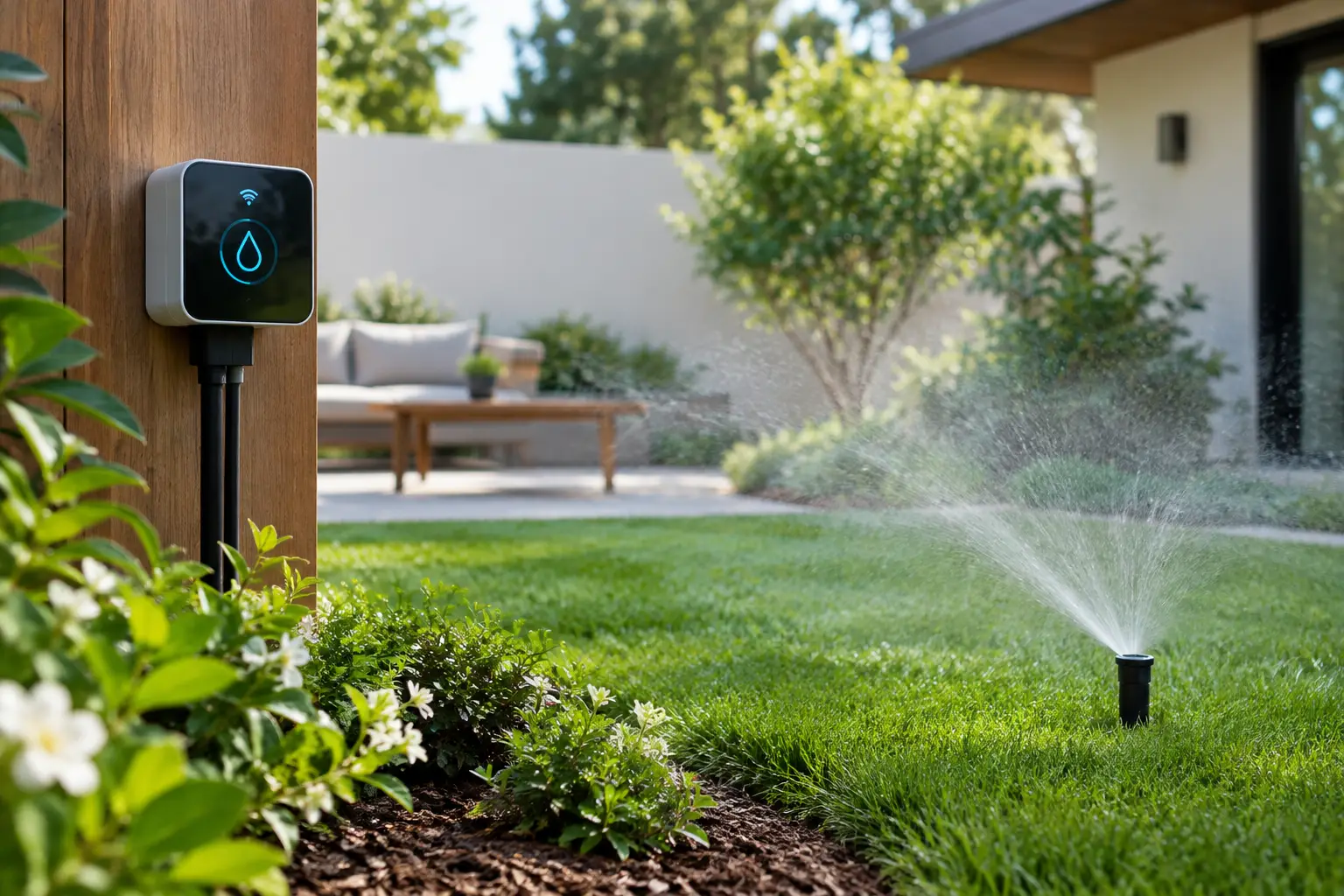
Matter is a smart-home standard designed to help compatible devices work across the platforms people already use. Rather than locking your irrigation system to one brand’s app, a Matter-compatible controller can be added to supported ecosystems such as Apple Home, Google Home and Home Assistant.
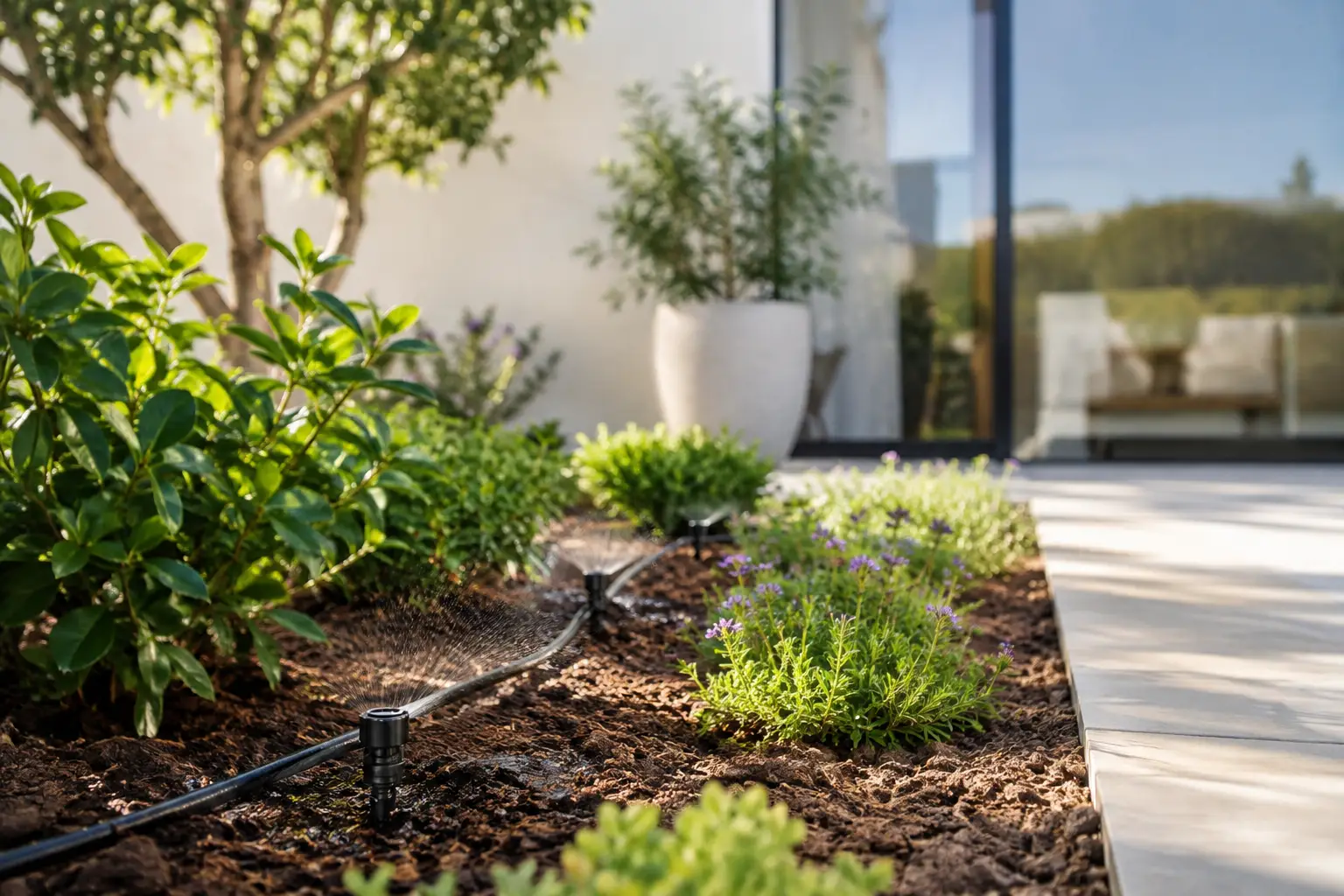
For irrigation, the controller sits between your water supply and your zones or valves. It receives a command to open or close a valve, then sends water to a lawn section, veggie patch, courtyard planter or another defined area. Depending on the device and setup, you may control a single tap-connected outlet or a multi-zone in-ground system.
Matter does not magically know whether your rosemary is dry or whether yesterday’s storm reached the back garden. It provides a common language for device control and visibility. The garden intelligence still comes from the rules, sensors and software you choose around it.
That distinction is useful when comparing products. A Matter badge tells you a controller should fit more easily into a compatible smart home. It does not automatically mean it includes soil sensing, weather-aware decisions, plant identification or detailed irrigation logic.
Why Matter is useful in an Australian garden
Australian gardens often deal with sharp changes in temperature, uneven rainfall and water restrictions that vary by location. A controller that can be viewed and controlled from the smart-home platform you already check reduces friction when conditions change.
If the forecast turns wet, you can pause a scheduled watering. If a heatwave is approaching, you can check the affected zones without walking to the controller box. If you are away for the weekend, you can confirm whether the garden is being watered as expected.
The bigger benefit is choice. Matter makes it more practical to build a garden setup from compatible components instead of replacing everything to suit one closed system. You might already have smart valves, a preferred home platform and a mix of garden zones. Interoperability lets those pieces work together with less duplication.
It also helps avoid the common smart-garden problem of app overload. One app for lights, another for security, another for irrigation and a separate note in your mobile for plant care quickly becomes a dozen chores. A Matter controller can make irrigation part of the system you use daily, rather than an isolated gadget you only open when something goes wrong.
A controller is only as smart as its watering decision
Most conventional irrigation timers work from a calendar. Set a start time, choose a duration and repeat. This is reliable for basic watering, but it assumes the garden needs the same amount of water every time the schedule runs.
That assumption breaks down quickly. A shaded pot may still be damp after rain. A raised veggie bed may be drying rapidly. Newly planted seedlings need different care from established natives in the next zone. Running every valve to a fixed timetable can waste water in one place while leaving another dry.
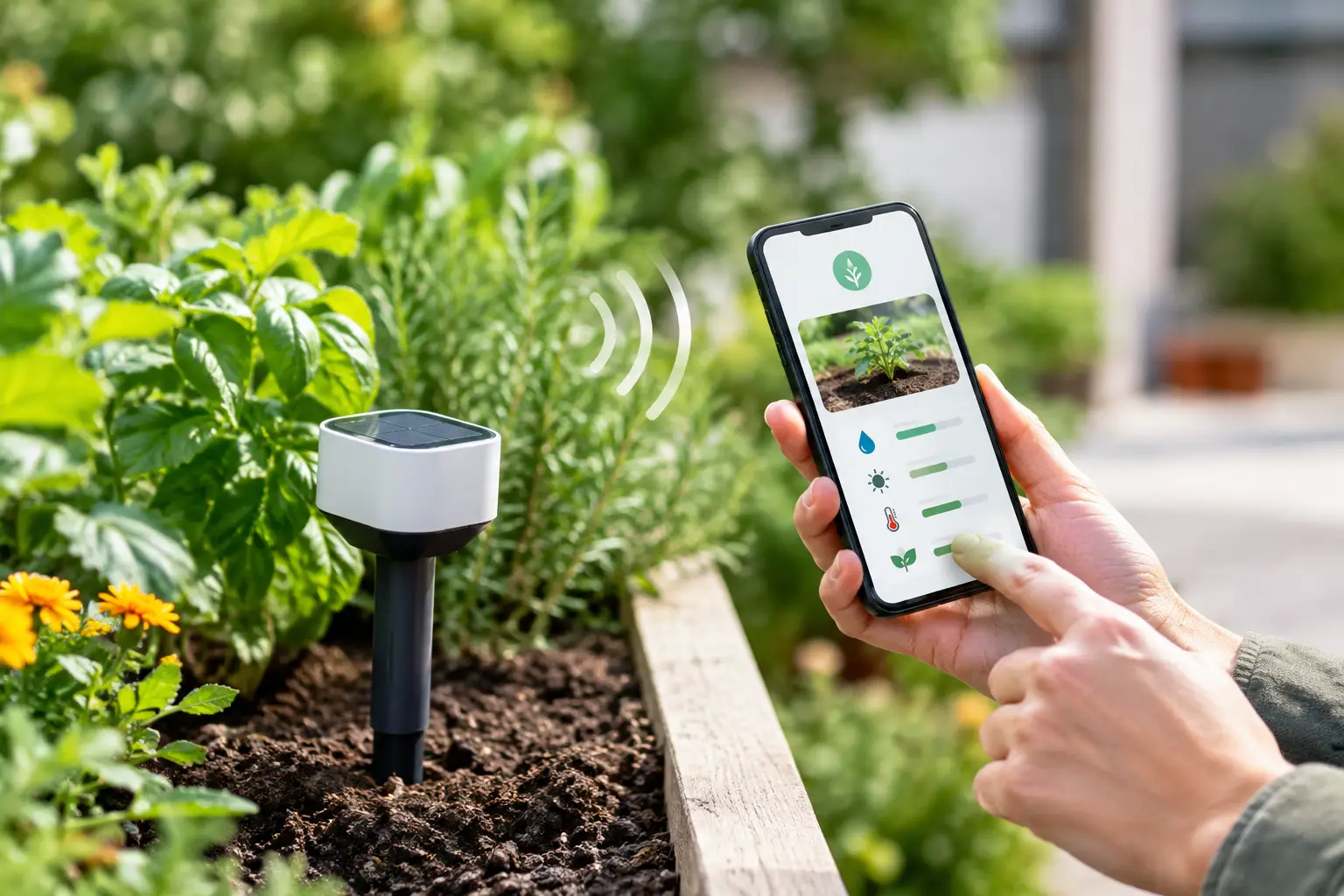
A more useful approach is threshold-based irrigation. A soil-moisture sensor measures the conditions in a zone. You set the preferred moisture range for the plants growing there. When moisture falls below the lower target, the system can open the relevant smart valve. When the target is reached, it closes again.
This is where a controller becomes part of a garden operating system, rather than just a connected timer. The valve performs the physical action. Soil conditions and plant needs determine whether that action is necessary.
Verde brings these decisions together in one app: organise plants and zones, set moisture targets, monitor compatible sensors, use live local weather and control compatible smart valves. It is free, no hub, no subscription, and designed to work within existing Apple Home, Matter, Google Home and Home Assistant setups.
What to check before you buy
The right controller depends on your plumbing, garden layout and the level of automation you actually want. Start with the water connection. A tap-connected controller is often suitable for courtyards, renters, potted collections and simple drip systems. Multi-zone controllers are generally better for gardens with separate lawn, beds and irrigation lines.
Check how many independently controlled zones you need now, then allow for growth. A single outlet can be enough for a small balcony collection. It will not give you meaningful control if one line serves both a thirsty vegetable bed and low-water native plants.
Next, confirm that Matter support is genuine and relevant to your home. Look for the platforms you use, not just a general compatibility claim. If you rely on Apple Home or Home Assistant, make sure the device can be added and controlled there in the way you expect. Device features can differ between ecosystems, so check whether manual control, automations and status reporting are available.
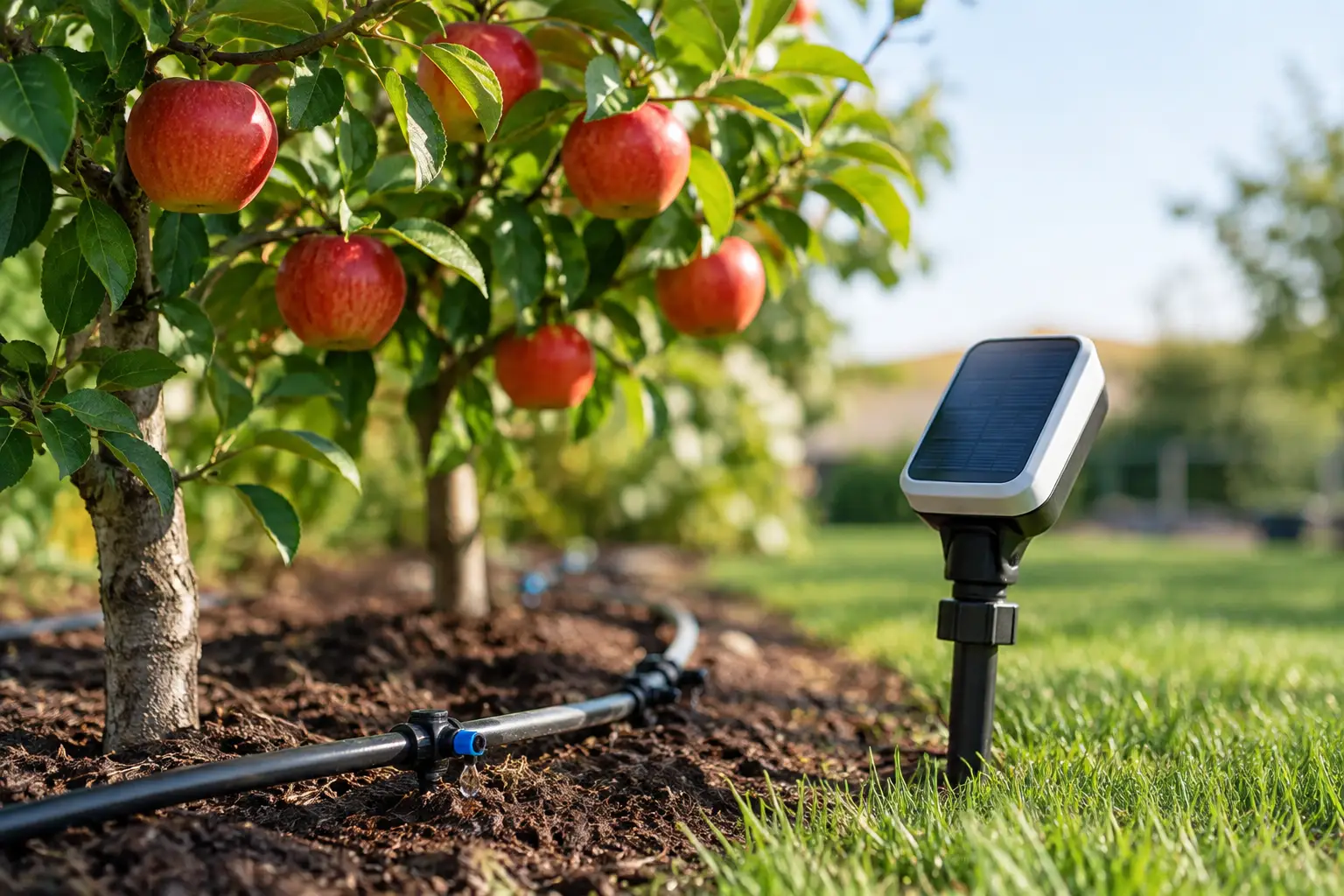
Also consider connectivity and placement. Outdoor controllers need a reliable connection where they are installed, as well as weather-appropriate housing. Battery-powered units are convenient, but batteries need checking. Solar-powered sensors can reduce maintenance, provided their location receives enough useful light. For any system, retain a manual way to shut off water if a hose, fitting or valve fails.
Finally, look at sensor compatibility. Soil sensing is most helpful when each sensor represents a genuinely similar planting area. One sensor in a cool, shaded corner should not make watering decisions for a sunny lawn on the other side of the yard. Place sensors at root depth where practical, away from direct drips, and review the readings after installation before relying on automation.
Build zones around plants, not pipework
Irrigation systems are often inherited. A previous owner may have grouped plants based on where pipes were easiest to run, not on what each plant needs. A Matter controller can control those existing zones, but smarter watering starts by checking whether the zones make sense.
Group plants with similar moisture needs where possible. Herbs and vegetables usually belong apart from drought-tolerant shrubs. Containers often deserve their own zone because they dry faster than garden beds. A lawn can be separate again, especially if it receives different sun exposure or has different watering restrictions.
You do not need to rebuild the whole garden at once. Start with the zone that causes the most uncertainty: the bed that constantly dries out, the pots you forget, or the lawn that runs after every rainfall. Monitor it, set a realistic target and adjust gradually. Historical moisture readings are more useful than guessing from one hot afternoon.
Weather should inform the decision, not replace soil data. Rain forecasts can be wrong, and a brief shower may wet leaves without reaching roots. Equally, a moisture sensor cannot predict tomorrow’s 38-degree day. Using both gives your garden a calmer, more responsive routine.
Keep automation visible and easy to override
The best garden automation is not mysterious. You should be able to see which zone ran, why it ran and whether the soil moisture changed afterwards. That visibility helps you spot a blocked dripper, a leaking fitting, a flat sensor battery or an unrealistic moisture target before plants suffer.
Set sensible guardrails. Use maximum run times so a valve cannot water indefinitely. Keep a seasonal review in your routine, because a target that suits spring may not suit mid-summer. During establishment, new plants may need a temporary plan that differs from mature garden zones.
Manual control still has a place. You may need to water in a specific permitted window, test a new line, or give a newly planted shrub a deliberate soak. A good connected system makes that simple without forcing you to dismantle the automation you have already set up.
A Matter smart irrigation controller is most valuable when it removes uncertainty, not when it adds another dashboard. Give each zone a clear purpose, let soil and weather guide the routine, and keep control close at hand. Your garden gets steadier care, while you get more time to enjoy it.