Matter versus Zigbee Garden Devices Compared
Matter versus Zigbee garden devices compared for Australian homes: weigh hubs, range, reliability and control before you automate watering for your garden.
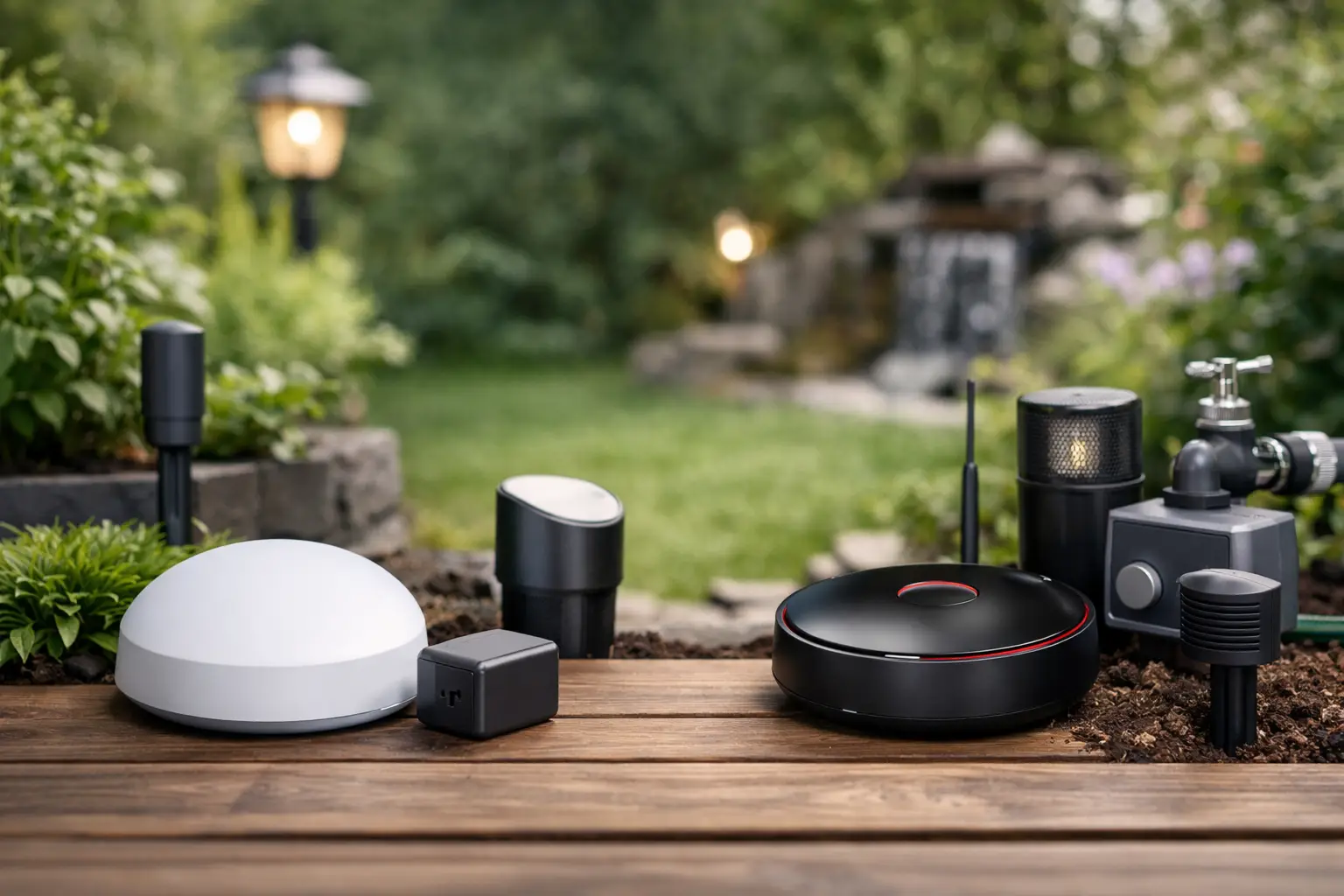
Matter versus Zigbee garden devices can look like a simple choice between two wireless labels. In a real Australian garden, the better question is: which setup will keep your sensors connected, your valves responsive and your watering decisions useful when summer heat arrives?
For most gardens, neither protocol automatically makes watering smarter. A timer still follows a timer. The real outcome comes from combining reliable devices with soil moisture, local weather and plant-specific targets. But choosing the right connection standard can make that system easier to install, expand and live with.
Matter versus Zigbee garden devices: the practical difference
Matter is a smart-home interoperability standard. Its job is to help compatible products work across platforms such as Apple Home, Google Home and Home Assistant without locking you into one brand’s app. Matter devices can communicate over Wi-Fi, Thread or Ethernet, depending on the product.
Zigbee is a low-power wireless protocol that has been widely used for sensors, lights and smart-home accessories for years. Zigbee garden devices usually connect through a Zigbee coordinator or hub, then appear in the app or smart-home platform supported by that hub.
The distinction matters because Matter is not one radio technology. A Matter soil sensor might use Thread, while another Matter device may use Wi-Fi. Zigbee devices use their own mesh network and cannot directly join a Thread network simply because both are low-power wireless systems.
For a garden, this affects three practical things: what extra equipment you need, how far devices can reliably reach, and how freely you can use them across the smart-home system you already have.
Choose Matter when cross-platform control matters most
Matter is a strong fit if you want your garden to remain part of a broader connected home rather than a separate collection of gadgets. A Matter-compatible device is designed to work locally with supported ecosystems, so a valve or sensor can sit alongside your lights, climate controls and routines.
This is particularly useful for households using Apple Home, Google Home or Home Assistant. You can keep garden controls visible in the platform you already open each day, while using a dedicated garden app for the detail that generic smart-home apps do not provide - such as plant records, moisture targets and watering logic.
Thread-based Matter devices are also appealing for battery-powered garden hardware. Thread is designed for low-power mesh networking, where mains-powered devices can help pass messages through the network. If your home already has a suitable Thread border router, such as a compatible smart-home controller, adding a Thread garden device can be pleasantly simple.
There are limits. A Matter logo does not mean every feature will appear identically in every app. The standard supports defined device types and commands, but gardening products can have specialised capabilities. One platform may show a valve as a straightforward on-off accessory, while the manufacturer’s app exposes schedules, battery status or advanced configuration.
Matter is also still growing in the garden category. Before buying, check the exact device type, transport method and supported features, not just the word “Matter” on the box. If it uses Thread, confirm you have a compatible Thread border router within practical range of the garden.
Choose Zigbee when you want a proven sensor network
Zigbee remains a sensible choice for many gardens, especially when you need several affordable sensors across beds, lawns, pots and side gardens. It has a long history in low-power smart-home devices, and there is a broad range of Zigbee soil sensors, temperature sensors, contact sensors and relay-style controls available.
Its mesh network can be very effective, but there is one detail that catches people out: battery-powered Zigbee devices generally do not extend the network. You need powered Zigbee routers, such as compatible smart plugs or dedicated repeaters, positioned between the coordinator and distant devices.
That can work well in a house and patio area, but outdoor placement needs thought. Brick walls, metal sheds, foil insulation, water tanks and dense vegetation can weaken any wireless signal. A sensor at the far end of a large block may need a closer router, not a more expensive sensor.
The trade-off is the hub. Zigbee requires a coordinator, whether that is a purpose-built hub, a compatible smart-home bridge or a Home Assistant setup with a Zigbee radio. For an enthusiast, this is not necessarily a drawback. A well-configured Zigbee network can be stable, local and highly flexible. For someone who wants free, no hub, no subscription gardening automation, it is another device to buy, power and maintain.
Do not confuse wireless range with garden reliability
A claimed range on a product page is usually measured in favourable conditions. Your actual range is shaped by the house, the location of the controller and what sits between it and the garden zone.
Start with where devices will live. A smart irrigation valve mounted near an outdoor tap may be close to the home, while a soil sensor could be behind a retaining wall, under thick foliage or several zones away. A vegetable patch often has different signal conditions from pots along the back door.
For either protocol, test the network before relying on automation. Install one device in the hardest location first. Check that its readings arrive consistently for several days, including after rain and during hot afternoons. If it drops offline, move the border router, hub or repeater before adding more hardware.
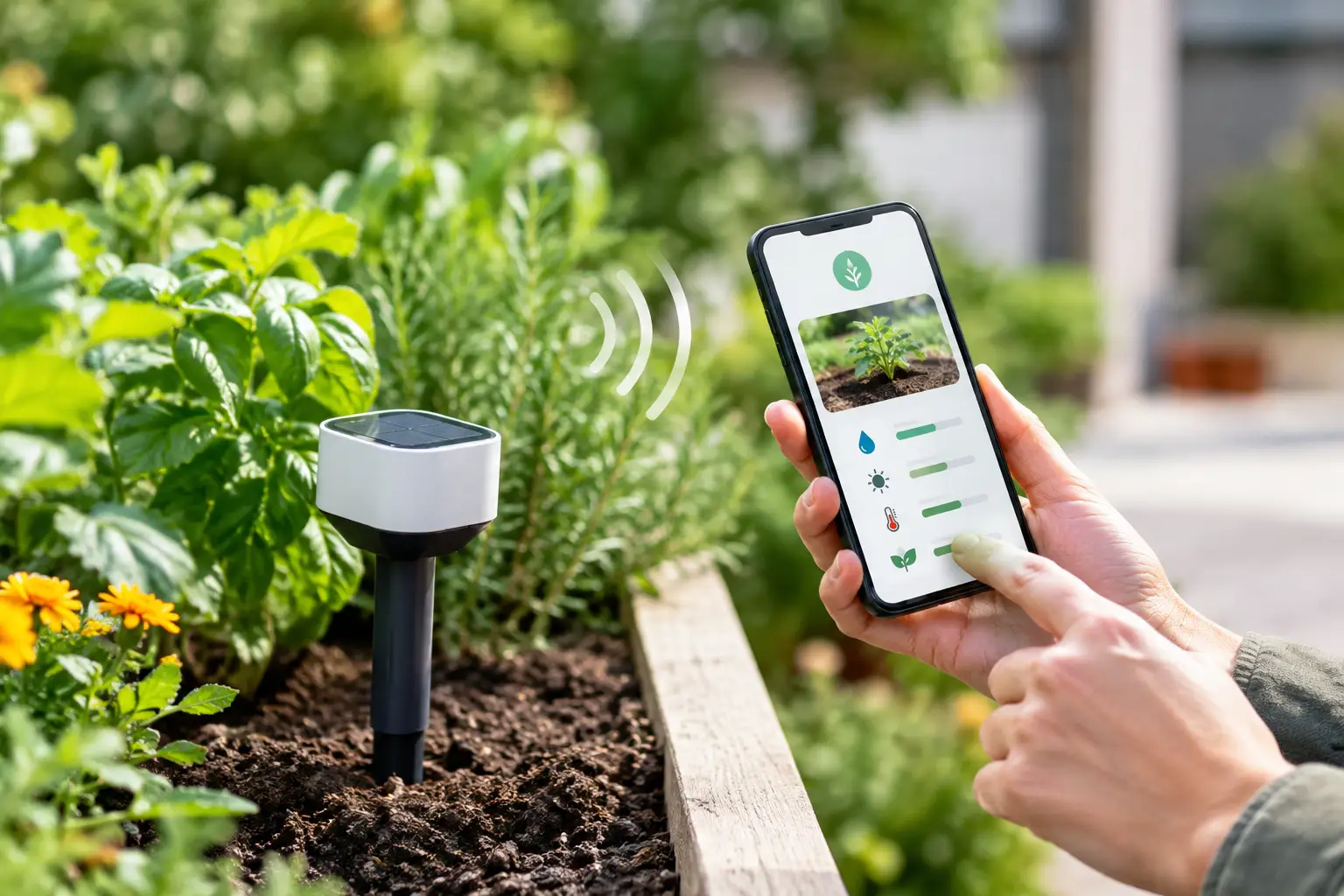
Battery life deserves the same attention. Soil moisture sensors wake periodically, take a reading and transmit it. More frequent reports can give you faster information but may shorten battery life. Choose a reporting interval that matches the job. A slow-moving garden bed rarely needs moisture updates every minute, while a small pot in full summer sun may justify closer monitoring.
The best protocol depends on your existing setup
If you already have a reliable Zigbee hub and enough mesh coverage near the garden, Zigbee devices can be the lower-cost and lower-effort option. There is no advantage in replacing a stable network purely to chase a newer standard.
If you are starting fresh, want to avoid a separate hub, or prefer devices that can work across major smart-home platforms, Matter is usually the more future-facing choice. It is especially attractive when your household already has Thread infrastructure and you want local control without building a second network just for the garden.
For many homes, the answer is not either-or. Matter and Zigbee can coexist. A Matter valve might be the visible, cross-platform control point, while Zigbee sensors report through an existing hub. The important part is ensuring the system that makes watering decisions can reliably read the sensor and operate the valve.
That is where garden-specific software changes the result. Rather than treating every zone as a generic switch, Verde can organise plants and zones, compare live soil moisture with each plant’s target range, consider local weather and open or close compatible valves accordingly. The connection protocol gets the data and commands where they need to go. The garden logic decides whether watering is actually needed.
What to check before buying a garden device
Look beyond compatibility badges and check the complete path from sensor to watering action. You want to know which app configures the device, whether readings are available locally, what happens if the internet drops out, and whether the device can be used with your preferred smart-home platform.
For Matter devices, confirm whether they use Wi-Fi or Thread and whether your home has the required controller or border router. For Zigbee, identify the coordinator and map where powered routers will sit. Also check the outdoor rating, operating temperature, battery access and whether the device is genuinely suitable for damp garden conditions rather than merely being safe under a covered patio.
Finally, think about failure behaviour. A good system should avoid watering endlessly when a sensor goes offline, and it should make manual valve control easy when you need to water a newly planted bed, apply fertiliser or handle a heatwave. Automation should remove repetitive chores, not remove your ability to intervene.
The right choice is the one that gives you dependable readings at the plant, dependable control at the valve and a clear view of what your garden needs. Start with the network you can support well, then let moisture targets - not a fixed timer - decide when water is worth using.