Multiple Garden Zone Setup That Waters Smarter
Build a multiple garden zone setup around plants, soil and sun. Use moisture targets and smart valves to water only when each area needs it, not a timer.
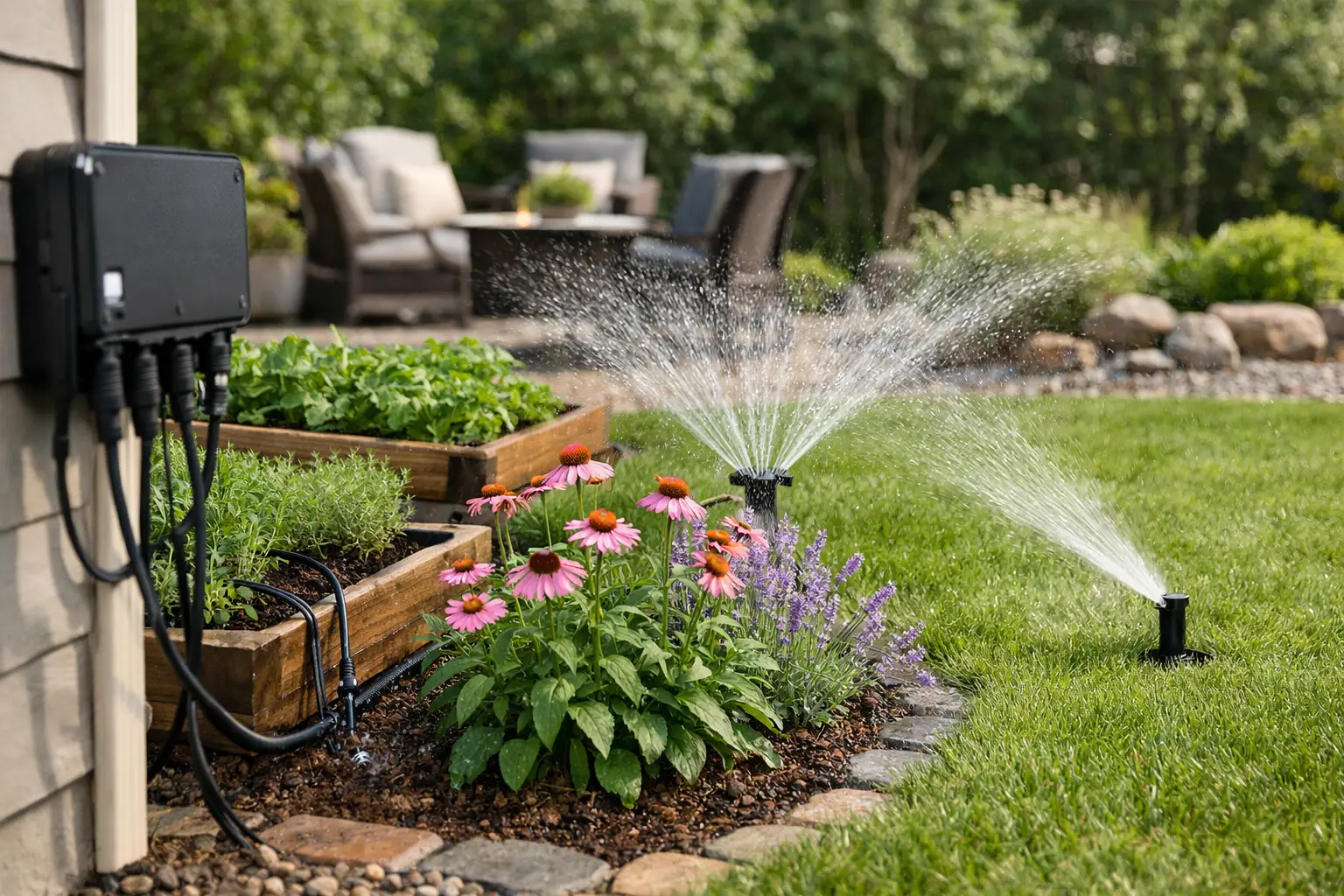
A multiple garden zone setup stops the front lawn, thirsty veggie patch and shaded ferns from being treated as if they need the same drink. That matters in Australian gardens, where a hot western bed can dry out while a sheltered courtyard pot remains wet for days. The goal is simple: give each area the water it actually needs, without turning garden care into another weekly job.
Basic irrigation timers divide a garden by pipework. A smarter setup divides it by growing conditions. Once zones reflect the plants, soil, sun and watering hardware in your space, automated watering can respond to real conditions rather than a fixed Tuesday-and-Saturday routine.
Start your multiple garden zone setup with conditions
Walk through the garden at different times of day before naming or programming anything. Look for the factors that change how quickly an area loses water: direct afternoon sun, reflected heat from brickwork, wind exposure, soil type, slope, mulch and container size. These conditions often matter more than whether two plants happen to sit next to each other.
A north-facing herb bed in Perth, for example, may need a separate zone from an adjacent citrus tree planted in deeper soil. In Melbourne, a narrow bed along a pale fence may receive enough reflected heat to dry faster than the rest of the yard. The same principle applies to pots. A small terracotta pot can need attention far sooner than a large glazed container holding the same plant.
Start by grouping areas with similar conditions and similar water needs. You do not need a zone for every individual plant. That can add unnecessary valves, sensors and complexity. But one zone should not contain plants with clearly conflicting needs, such as rosemary and moisture-loving mint, simply because they share a bed.
Map the garden before you add hardware
Create a simple map in your mobile or on paper. Mark beds, lawns, pots, trees and irrigation lines, then note where water comes from and where valves can independently control flow. Give each possible zone a practical name such as “Back veggie beds”, “Courtyard pots” or “Western lawn”. Clear names make troubleshooting much easier when a sensor reading or valve alert needs attention.
Then record what grows in each area. If you are unsure of a plant, identify it before setting a watering target. Plant names are useful, but the useful outcome is knowing whether that plant prefers soil to dry slightly between watering or remain consistently moist.
Use soil and sun to decide zone boundaries
The best zone boundary is usually where one watering decision stops making sense for everything on the other side. There are three common reasons to split a zone.
First, split for plant moisture preference. Native shrubs, succulents and established Mediterranean herbs generally tolerate drier conditions than leafy vegetables, hydrangeas or young seedlings. A shared line can still work if emitters are adjusted carefully, but independent control is better when their needs are genuinely different.
Second, split for exposure. Full sun, deep shade and heat-radiating walls create different drying patterns, even with the same soil and plants. A lawn in open sun can sit separately from a shaded lawn strip beside the house, particularly in summer.
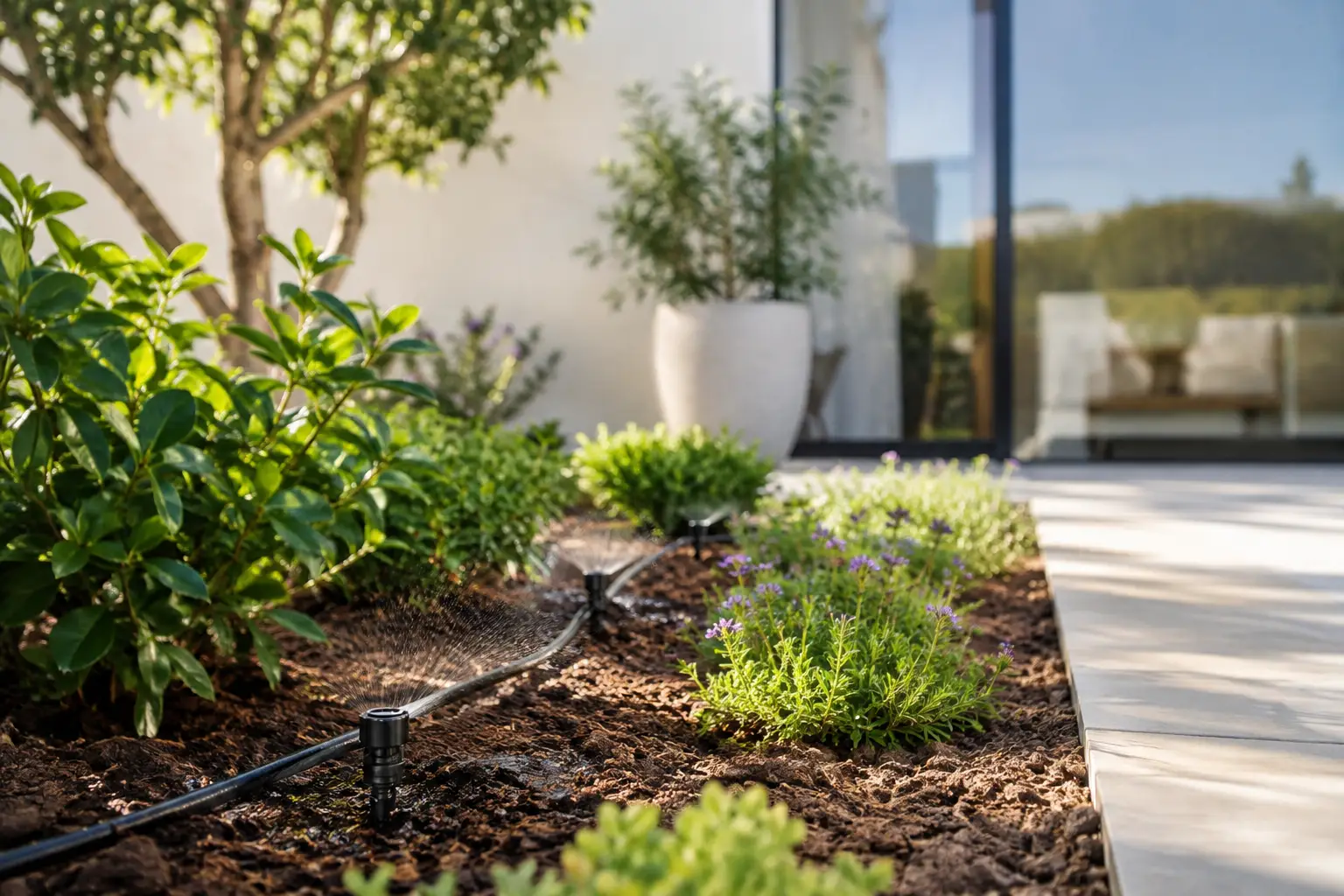
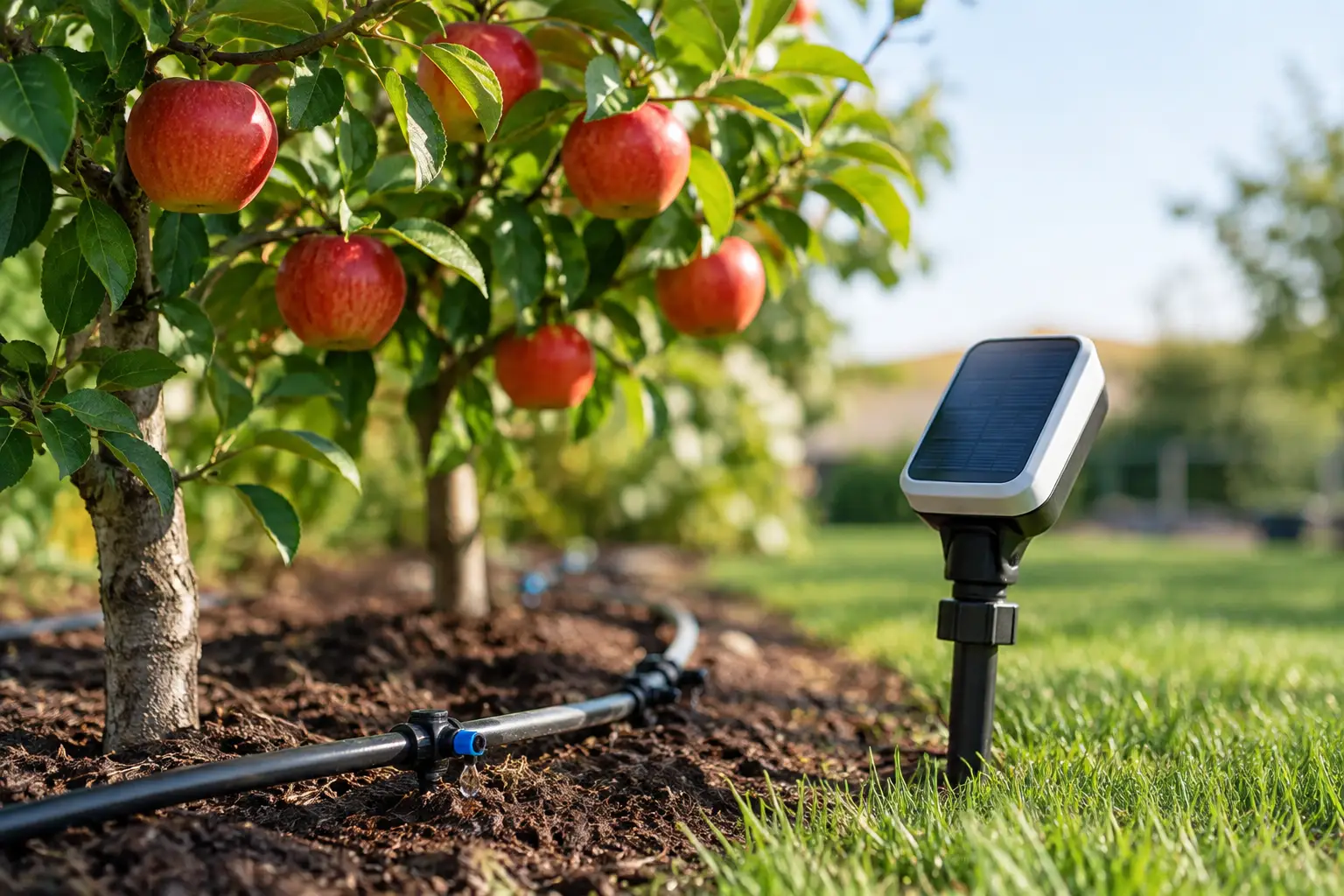
Third, split for irrigation method. Drippers, sprays, pop-up lawn sprinklers and hand-watered pots deliver water differently. Mixing them on one valve can make run times difficult to manage. Drippers need a slower, longer soak; sprays distribute water quickly and are more affected by wind. If they must share a water source, use separate schedules or valve control where possible.
There is a trade-off. More zones bring more precision, but also more components to maintain. For a compact courtyard, two or three well-defined zones are usually more useful than six tiny ones. For a larger suburban block with lawn, productive beds, ornamentals and containers, separate zones can prevent waste and make the garden easier to understand at a glance.
Place sensors where decisions are hardest
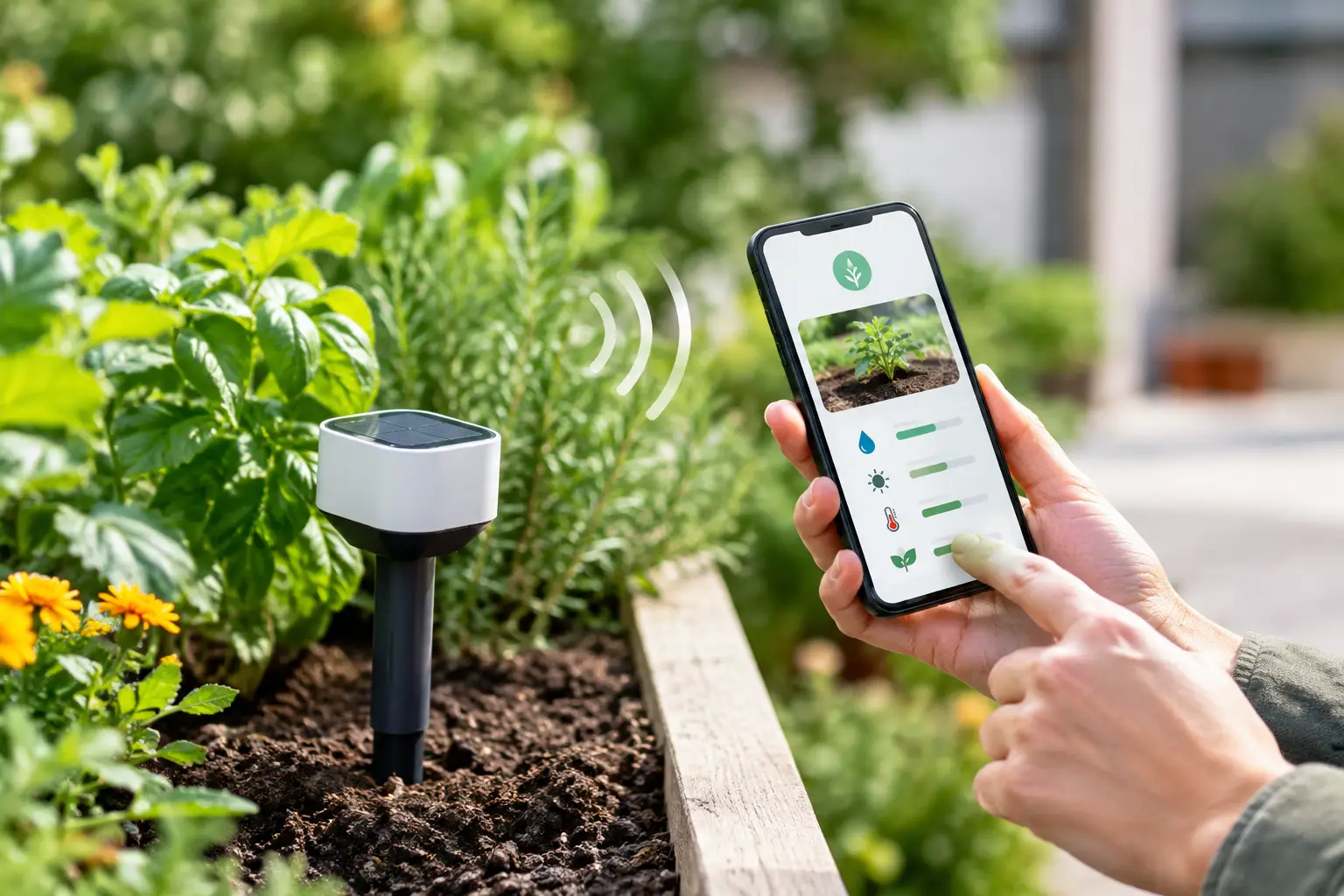
A soil-moisture sensor is most valuable when it represents the plants that drive the zone’s watering decision. Place it in the active root area, not at the edge of a bed, beside a dripper, or in the one spot that always stays damp. A sensor touching a single emitter can report wet soil while the rest of the zone is thirsty.
For a vegetable bed, position the sensor near a representative crop at root depth. In an established shrub border, choose a typical plant rather than the biggest, newest or most sheltered specimen. In a pot zone, a sensor in the smallest or fastest-drying pot may be useful if that pot dictates when watering must occur. It depends on whether your goal is to protect the most vulnerable plant or maintain average conditions across the zone.
Check sensor readings against the soil itself for the first few weeks. Push a finger or trowel below the surface and compare what you feel with the reading. Surface soil can look dry after a warm day while the root zone remains adequately moist. This small calibration habit helps you choose targets with confidence.
Set moisture targets, not rigid watering days
Fixed schedules assume every week behaves like the last one. They cannot account for rain, a run of cool weather, a heatwave or a recently mulched bed. A moisture target changes the question from “Is it Wednesday?” to “Does this zone need water?”
Set a preferred moisture range for each zone based on its plants and soil. When moisture falls below the lower target, watering can begin. When the soil reaches its upper target, the valve can close. This avoids both shallow, frequent watering and the common habit of running irrigation after rain because the timer says so.
Be conservative when you first automate. Start with a range that prevents stress rather than chasing permanently wet soil, especially in heavy clay or shaded areas. Observe how long each zone takes to respond after watering. Sandy soil may rise and fall quickly, while clay can hold moisture longer and need slower application to prevent runoff.
Weather still has a role. Local rainfall and temperature forecasts can help postpone or reduce a scheduled water event, but weather data should support the soil reading rather than replace it. Rainfall varies dramatically across a suburb, and not every shower reaches the root zone beneath dense foliage or a verandah edge.
Connect valves to the zone plan
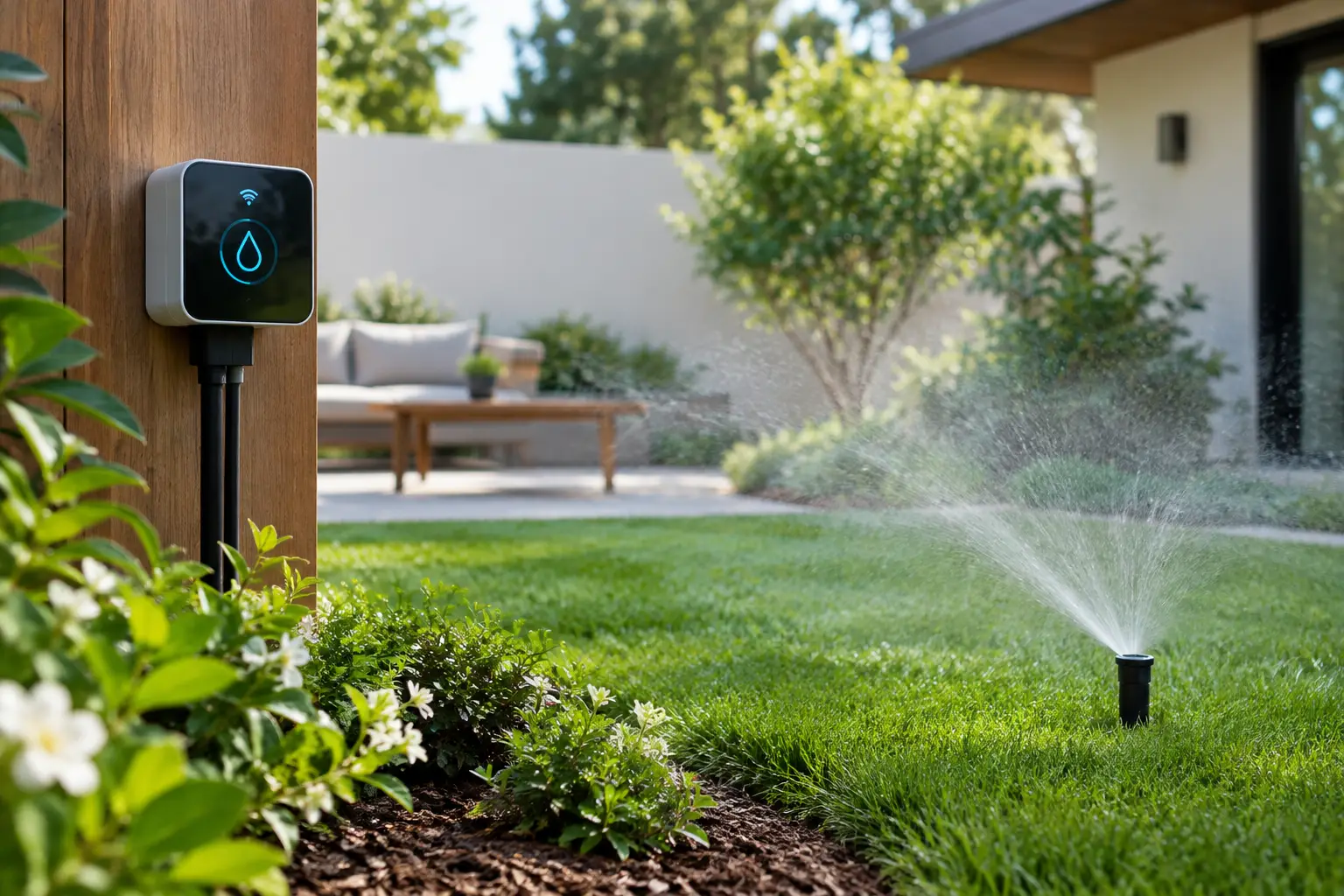
Each independently controlled zone needs a compatible smart valve, or a compatible controller output that can open and close that zone. Match valve capacity to the irrigation load. If a zone has too many drippers, sprayers or long runs of pipe, pressure may fall and plants at the far end can receive less water. In that case, splitting the line may improve irrigation performance as well as control.
Keep manual access in mind. Smart control should reduce chores, not leave you stuck when you need to isolate a leaking line or water a new planting. Label valves physically as well as in the app, and test each one after installation. Watch the full zone run at least once to find blocked drippers, overspray, pooling and dry patches.
With Verde, a zone can bring together plant records, moisture targets, compatible sensors, live local weather and smart-valve control in one view. It works without a hub or subscription, so the garden can sit alongside an existing Apple Home, Matter, Google Home or Home Assistant setup without adding another complicated system to manage.
Review zones as the garden changes
A garden is not static. A young tree creates shade, a hedge blocks wind, vegetables change with the season and a newly planted bed needs more frequent support until roots establish. Revisit your zone plan at the start of warmer weather, after major planting changes and when you notice repeated overwatering or dry spots.
Do not assume a struggling plant means the entire zone needs more water. Check whether the issue is drainage, pests, compacted soil, a failed dripper or a plant placed in the wrong conditions. Raising the run time for every plant can turn one local problem into a wider one.
The most useful multiple garden zone setup is not the one with the most equipment. It is the one that makes each watering decision clearer. Build zones around the way your garden actually behaves, let soil moisture guide the timing, and leave more of your time for enjoying the garden instead of guessing what needs a drink.