Overwatering Prevention Questions Answered
Get clear answers to overwatering prevention questions, from reading soil moisture to setting weather-aware watering for healthier Australian gardens.
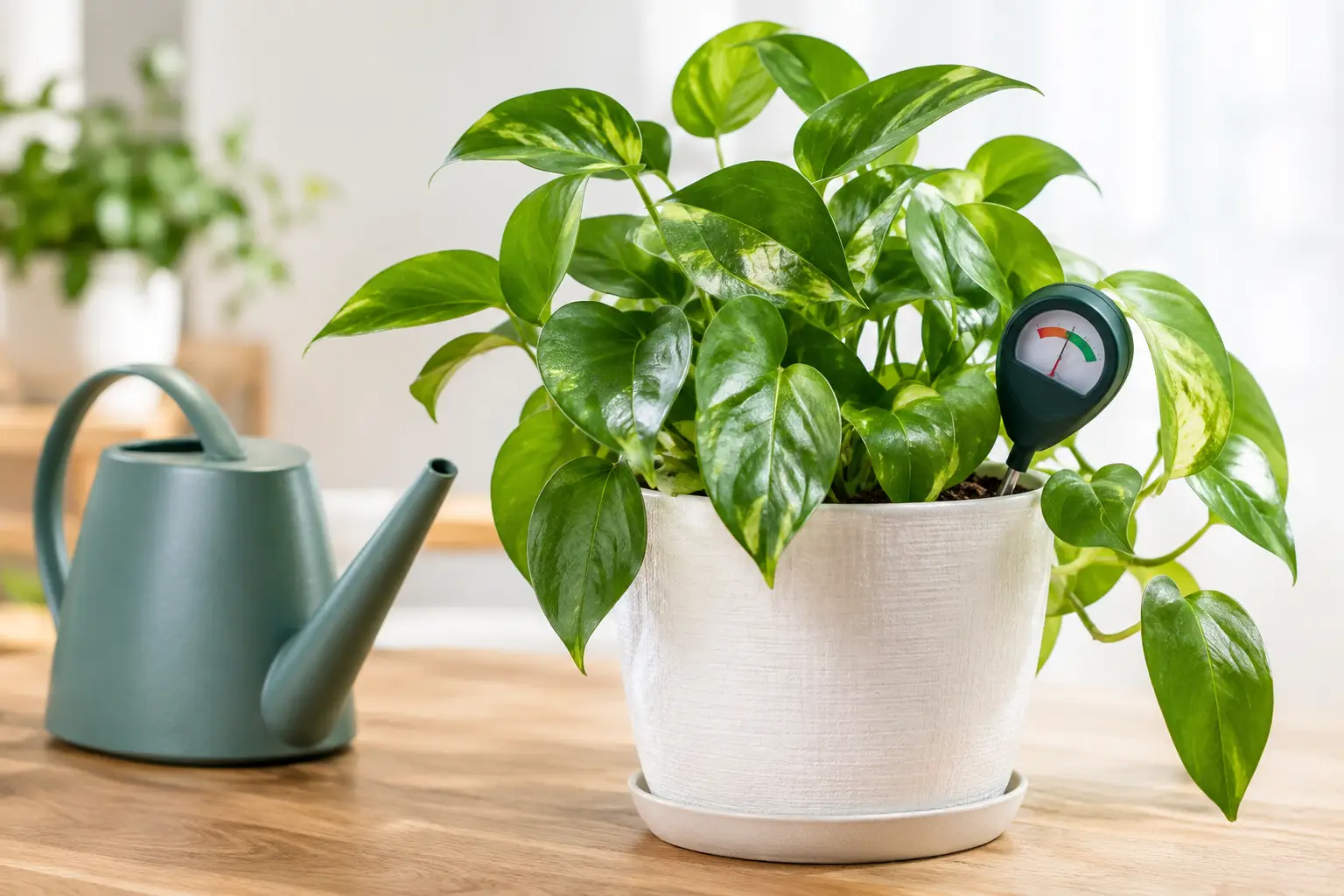
A plant can look thirsty while its roots are sitting in saturated soil. Drooping leaves, yellowing growth and slow decline are why overwatering prevention questions are rarely as simple as, “How often should I water?” The better question is whether water is actually reaching the root zone, draining away, and being used before the next watering event.
For Australian gardens, that answer shifts with heat, rainfall, pot size, soil type and the plant itself. A fixed timer cannot see any of that. A moisture-led approach can.
The overwatering prevention questions that matter most
How do I know if I am overwatering rather than underwatering?
Overwatering and underwatering can produce surprisingly similar symptoms. Both can cause wilting because roots cannot do their job properly. The difference is in the soil and the pattern of decline.
Check moisture below the surface, not only the top centimetre. Push a finger, narrow trowel or moisture probe into the root zone. If soil is consistently wet several centimetres down, feels cool and heavy, or smells sour, hold off on watering. Yellow lower leaves, soft stems, fungus gnats around indoor pots and algae on the soil surface also point towards excess moisture.
Dry soil that has pulled away from the side of a pot, crisp leaf edges and a pot that feels notably light suggest underwatering instead. But there is a catch: water can run down the inside edge of very dry potting mix and out the drainage hole without rewetting the centre. In that case, a plant may be dry at the roots even though you have just watered.
Why is my plant overwatered when I only water once a week?
Frequency tells only part of the story. One deep weekly watering may be too much for a shaded pot, a dense clay bed or a moisture-loving plant during cool weather. It may be too little for a citrus tree in a sunny black pot during a run of hot, dry northerlies.
The main variables are drainage, evaporation and root volume. Heavy clay holds water longer than sandy soil. A new plant with a small root ball uses less water than an established shrub in the same bed. Mulch slows evaporation, which is useful, but it also means you may need to water less often after mulching.
Rain changes the calculation too. A quick shower can wet foliage and the top layer while leaving soil beneath dense shrubs dry. A slow soaking rain may meet a garden bed’s needs for days. This is why local weather is helpful as a forecast, but soil moisture is the decision-maker.
Should I water plants on a schedule?
Schedules are useful as a fallback or a starting point, especially when you are away. They are not a reliable final instruction for every plant. A timer waters because the clock says so, even after rain or when soil is already at target moisture.
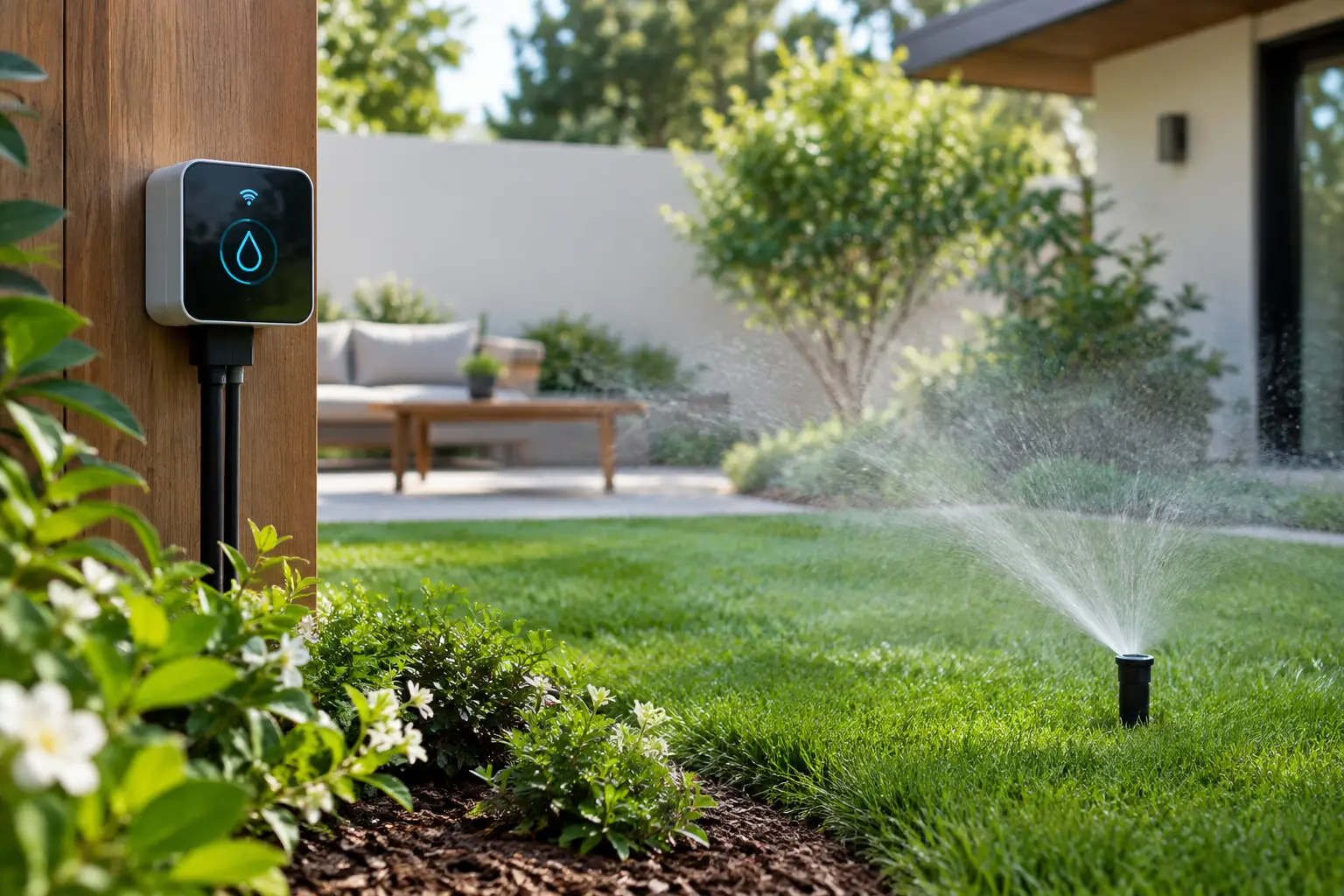
Use a schedule to define when watering is allowed, then use a soil-moisture threshold to decide whether it is needed. For example, a valve can be permitted to run early in the morning, but only if the relevant zone is below its minimum moisture target. This protects plants from repeated watering during a cool, wet spell without leaving them dependent on memory.
For established in-ground plants, less frequent and deeper watering is often appropriate because it encourages roots to grow down. For seedlings, herbs and shallow-rooted annuals, shorter and more frequent watering can be necessary. The goal is not a universal schedule. It is a stable moisture range for the plant and its location.
Can one soil sensor manage an entire garden bed?
Sometimes, but only when the bed is genuinely uniform. A single sensor can provide a useful guide for a small bed containing plants with similar moisture needs, the same sun exposure and the same soil. It becomes less reliable when one end sits under eaves, another receives afternoon sun, or thirsty vegetables share space with drought-tolerant natives.
Think in garden zones, not just physical areas. A sunny veggie patch, shaded fern corner, lawn strip and pots near the back door should usually be managed separately. Group plants with similar moisture targets where possible. If that is not practical, set the zone around the plant most likely to suffer from drying out, then adjust its emitters or hand-water the outliers carefully.
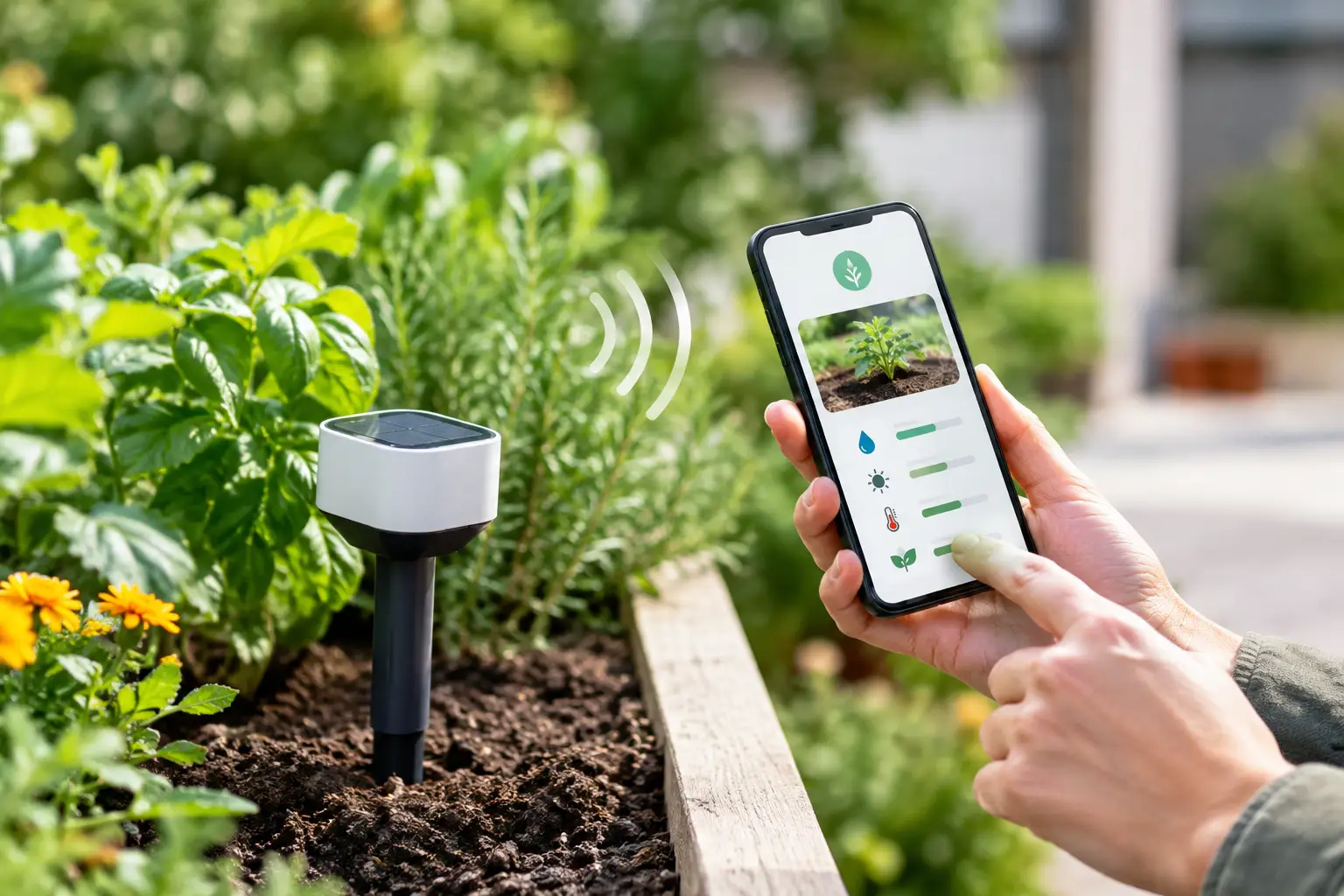
Sensor placement matters as much as sensor quantity. Place it in representative soil, near active roots, rather than directly beside a dripper or at the very edge of a bed. Avoid spots where water naturally pools. In pots, position the sensor within the root zone, not against the pot wall where readings can be misleading.
Overwatering prevention questions for pots, lawns and gardens
Do pots need more water or less water than garden beds?
Usually more frequent checking, not automatically more water. Pots have a limited volume of mix and can heat up quickly, especially terracotta and dark-coloured containers in full sun. Yet they can also remain wet for too long if the mix is old, compacted or sitting inside a decorative cachepot with no drainage.
Every pot needs a clear exit path for water. Empty saucers after prolonged rain if plants are not meant to sit wet. Choose a free-draining potting mix suited to the plant, rather than filling containers with garden soil. If a pot stays wet for days, the answer may be better drainage or a smaller watering dose, not simply longer gaps between watering.
Is a brown lawn always thirsty?
No. Lawns can brown from heat stress, compacted soil, pests, poor nutrition or uneven sprinkler coverage. Watering harder without checking can create shallow roots, runoff and fungal problems.
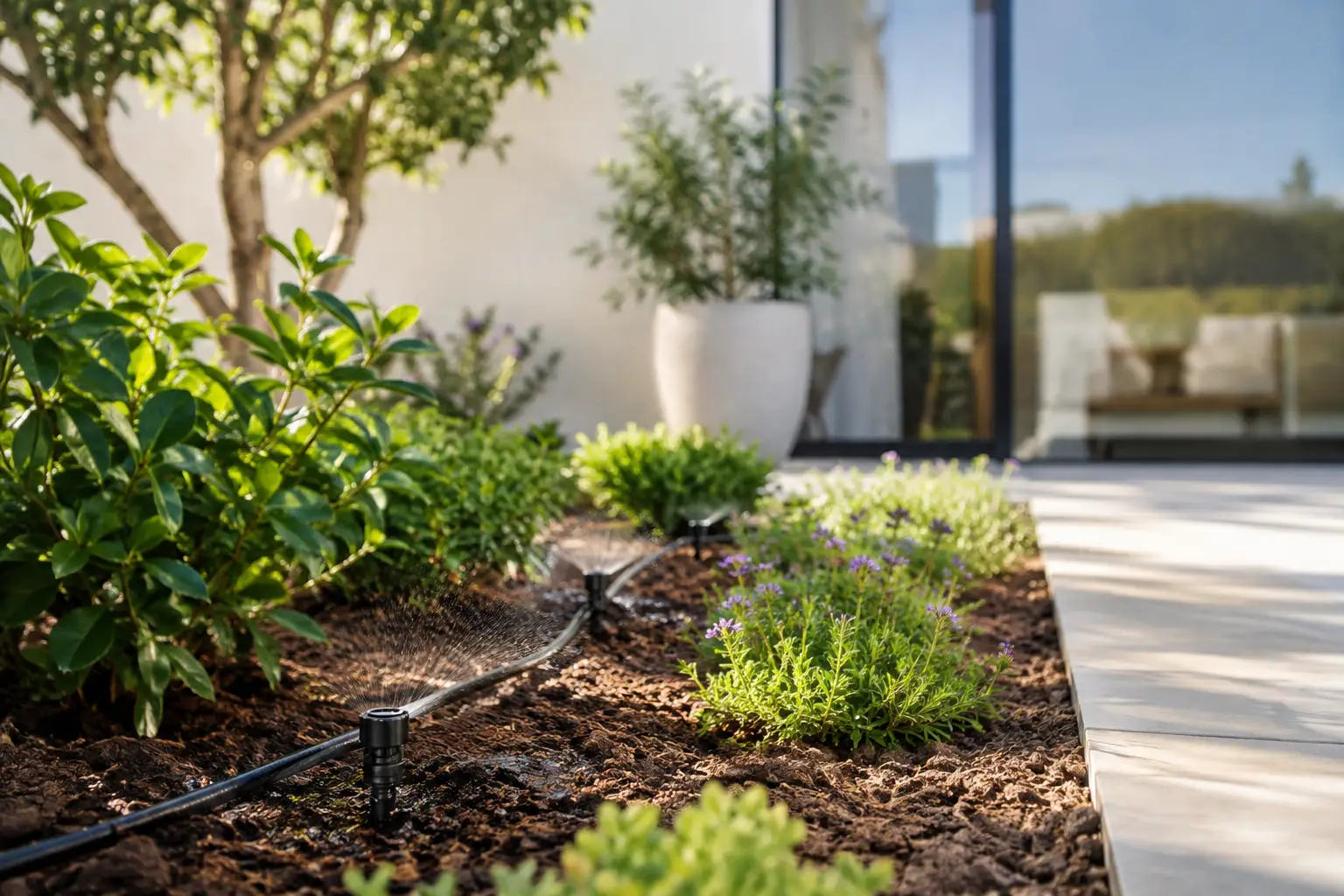
Before increasing run time, inspect how water moves across the lawn. If it pools or runs towards the footpath, break one long cycle into shorter soak cycles with time between them. This gives water a chance to enter the soil. Check a few locations with a screwdriver or soil probe after watering. If one area is dry and another is boggy, the issue is likely irrigation coverage or soil variation rather than the total amount of water.
What should I do after heavy rain?
Pause automatic irrigation when soil is already at or above its target. Then check the garden after the water has had time to drain. Plants in low spots, poorly drained pots and compacted beds may need attention first.
Do not rush to fertilise a stressed, waterlogged plant. Its roots need oxygen before they can take up nutrients effectively. Remove standing water where practical, clear blocked drainage holes and keep an eye on new growth. If leaves continue yellowing after the soil has had time to dry, inspect roots for rot and consider refreshing the potting mix.
Can smart irrigation prevent overwatering on its own?
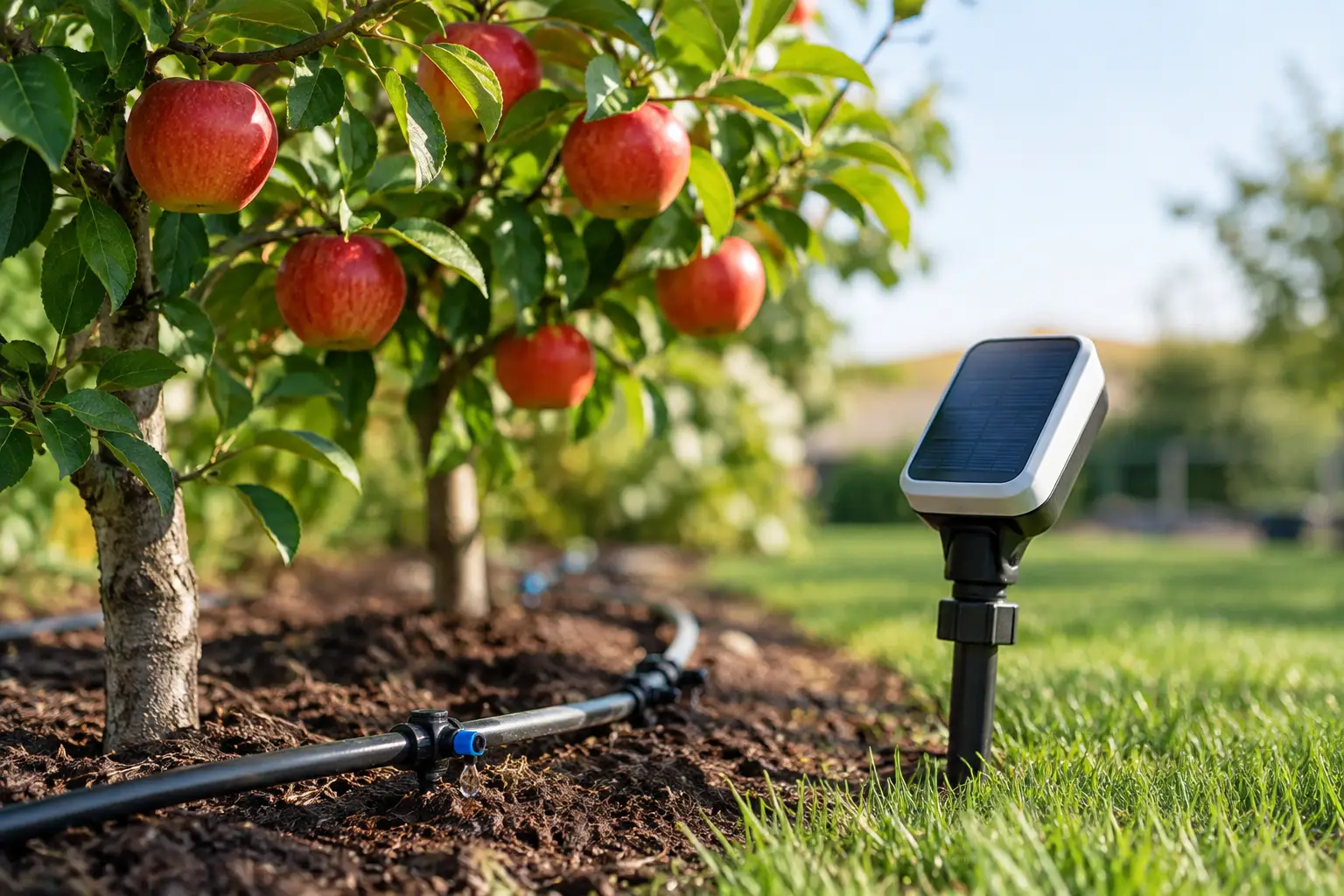
It can prevent a great deal of waste, but it still needs sensible setup. Technology cannot compensate for a blocked dripper, a pot without drainage or a moisture target that does not suit the plant. The strongest system combines accurate plant information, well-defined zones, a correctly placed sensor and valve control that responds to measured conditions.
That is the value of managing the garden as individual plant needs rather than a row of timer programs. Verde brings plant identification, moisture targets, weather-aware decisions, compatible sensors and smart-valve control into one simple flow. You can see what each zone needs, set boundaries, and let watering stop when the soil has had enough.
Set up a watering routine that leaves room for change
Start by observing each zone for a week or two. Note where water lingers, where pots dry faster and which plants react first to heat. Set conservative moisture targets, then adjust based on actual plant growth rather than chasing a perfect number on day one.
Water in the early morning where possible. It reduces evaporation and gives leaves time to dry, which can lower disease pressure. Run a short test cycle and confirm that emitters, sprinklers and valves are delivering water where you expect. A system that waters an empty patch while missing the roots is still wasting water, no matter how smart the schedule looks.
Most overwatering prevention comes down to one calm habit: check the root zone before adding more water. Once your garden is organised around real soil conditions, watering becomes less of a recurring chore and more of a quiet background task your plants can rely on.