Photo Plant Health Check for Healthier Gardens
Use a photo plant health check to spot pests, watering stress and nutrient issues early, then pair the result with soil readings for smarter garden care.

A tomato plant can look fine on Monday and show curled, pale leaves by Friday. A citrus in a pot may drop leaves after one hot spell, while the plant beside it is perfectly happy. A photo plant health check gives you a fast way to turn those visual changes into a useful next step, rather than guessing with more water, more fertiliser or another spray.
For busy Australian gardens, a photo is a strong starting point. It can help identify likely pest damage, fungal symptoms, sun stress and nutrient-related patterns in seconds. But the best result comes from treating the image as one part of the picture, then checking soil moisture, recent weather and where the plant is growing before you act.
What a photo plant health check can reveal
Plants communicate problems visually. Leaves yellow, edges crisp up, new growth distorts, stems soften or spots spread. A clear photo can capture these clues well enough for an AI assessment to suggest what is happening and what to inspect next.
Common signs that work well in photos include chewed leaf edges, visible insects, powdery coatings, brown spotting, yellowing between leaf veins and wilting. These patterns can point towards aphids, caterpillars, mildew, fungal leaf spot, nutrient deficiencies or water stress. Identification is particularly useful when the plant itself is unknown, because care advice only makes sense when it matches the species.
The value is not just getting a label for a problem. It is catching a change early. A few aphids on fresh rose growth are easier to manage than a heavily infested shrub. The first signs of underwatering can be corrected before repeated stress slows growth or damages fruit. When a plant is assessed regularly, you start to notice its normal appearance too. That makes a genuine change easier to spot.
A photo cannot test the soil
Photos are useful, but they are not a lab test or a moisture probe. Many plant problems look alike from above ground. Yellow leaves, for example, can result from too little water, too much water, poor drainage, heat, low nitrogen, root damage or simply older leaves reaching the end of their life.
That is why adding water based on a photo alone can make the issue worse. A wilted plant in dry soil needs a drink. A wilted plant in saturated soil may have struggling roots and needs less water, better drainage or time to recover. The leaf symptom is similar, but the response is completely different.
Use the photo assessment to narrow the possibilities, then verify the growing conditions. Check the soil a few centimetres below the surface, inspect the pot drainage holes, look under leaves for pests and consider the last few days of weather. In much of Australia, a run of hot, windy afternoons can dry a container far faster than a fixed watering schedule expects.
How to take a useful plant health photo
A good assessment starts with a useful image. You do not need specialist gear, but detail and context matter. Take the photo in natural daylight where possible, avoiding harsh backlight that turns leaves into dark silhouettes.
Start with one close photo of the affected area. Make sure the leaf, stem, fruit or insect is in focus. Then take a wider photo showing the whole plant and its position in the garden, bed or pot. If the problem is on both sides of the leaf, photograph both sides. For suspected pests, inspect new growth and leaf undersides, where small insects often gather.
Avoid spraying, wiping or pruning the plant immediately before taking photos. Those actions can remove evidence. It also helps to photograph more than one affected leaf, especially if the first has holes, physical damage or dirt that could be mistaken for a disease symptom.
When you receive an assessment, compare it with what you can see rather than accepting every suggestion blindly. A likely diagnosis should fit the pattern, the plant species and the conditions. If it does not, take another photo or observe the plant for a day or two before making a major change.
Turn the result into a simple garden action
The most useful health checks lead to one clear action, not a long to-do list. If pests are visible, isolate a badly affected potted plant where practical and inspect nearby plants. If the issue looks fungal, remove fallen affected leaves, improve airflow and avoid wetting foliage late in the day. If the assessment points to watering stress, check the root zone before changing irrigation.
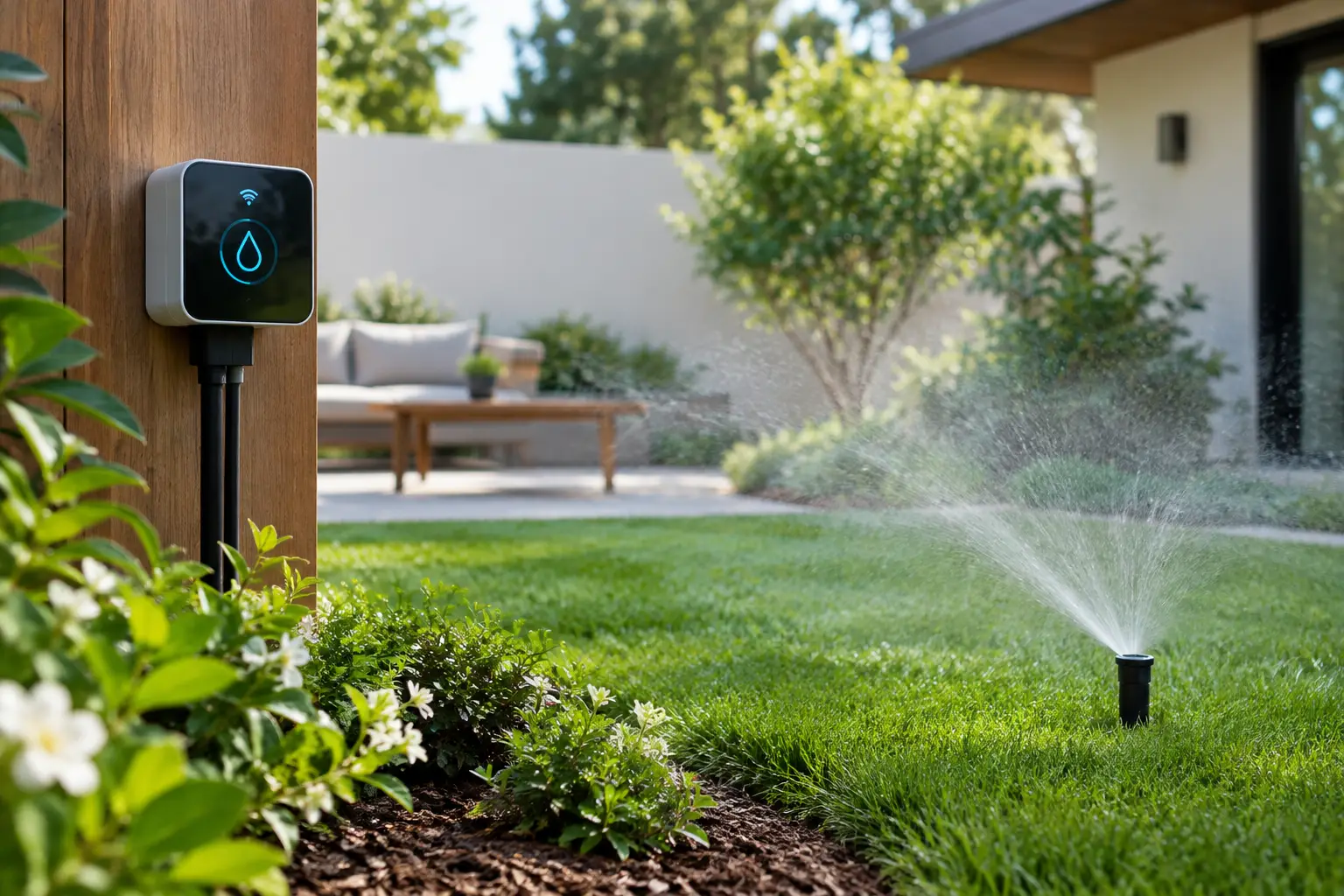
This is where a connected garden system can remove the guesswork. In the Verde app, a plant photo can provide identification and health guidance, while soil moisture readings show whether the plant is actually below its preferred moisture range. Set that range for the plant, and compatible smart valves can respond to real soil conditions instead of watering because Tuesday and Saturday happened to be programmed.
That difference matters in mixed gardens. A thirsty vegetable bed, an established native shrub and a shaded indoor-outdoor fern should not be treated as one watering problem. Their moisture targets, root depth and response to heat are different. Organising plants into zones makes the photo result more useful because you can see the plant's condition alongside the irrigation conditions affecting it.
When symptoms point to water stress
Water is the first thing most gardeners suspect, and often for good reason. Yet the correct response depends on whether the plant is dry, waterlogged or coping with heat.
Underwatered plants may have dry potting mix, limp leaves, crispy margins and slower growth. In severe cases, leaves can curl or drop. Water slowly enough for the root zone to absorb it, particularly in dry pots where water can run down the sides and out the bottom. Check again after the soil has had time to take it in.
Overwatered plants can also wilt, but the soil stays wet and leaves may become soft, yellow or increasingly limp. Constantly damp soil leaves less oxygen around the roots. Pause irrigation, ensure excess water can drain away and inspect whether compacted soil, a saucer beneath a pot or a blocked drainage hole is holding water in place.
Heat stress is different again. A plant may droop in the afternoon sun and recover by morning, even when the soil is adequately moist. Before increasing watering, check whether temporary shade, mulch or a more protected position would solve the underlying problem. More water is not always the answer to a hot western-facing wall or reflected heat from paving.
When the image suggests pests or disease
Pest damage often has a pattern. Aphids cluster around soft new growth and may leave sticky residue. Spider mites can create fine stippling and webbing, especially in hot, dry positions. Caterpillars leave irregular holes and often hide beneath leaves or in curled foliage. A close image can help distinguish feeding damage from disease spotting.
For disease, look at how symptoms spread. Powdery mildew appears as a pale, flour-like coating. Leaf spot often begins as distinct circles or patches that expand. Blackened or softened stems can indicate a more serious issue, particularly where drainage is poor. Remove clearly affected material with clean secateurs and dispose of it rather than leaving it on the soil surface.
Avoid reaching for a broad treatment before you know what you are dealing with. Some products can affect beneficial insects, and sprays applied in strong heat may damage foliage. Physical removal, improved airflow and targeted treatment are often enough for an early problem. If the plant is declining quickly, take fresh photos over several days so you can see whether the condition is spreading or stabilising.
Build a health-check habit that fits real life
A photo check works best as a small routine, not an emergency-only task. Walk the garden once a week, or while checking pots, and photograph anything that looks different. In hot weather, newly planted areas and containers deserve more frequent attention. After heavy rain, inspect low-lying beds and plants in pots that may have stayed too wet.
Keep the checks focused on change: new spots, unusual yellowing, chewed growth, drooping that does not recover, or a plant that needs watering more often than usual. When photos, moisture data and local weather are viewed together, patterns become much clearer. You may find that one valve is watering too long, a pot dries out every northerly wind, or a shaded zone never needs the same schedule as the sunny lawn.
The goal is not to inspect every leaf or chase a perfect garden. It is to make one confident decision before a small issue becomes plant loss, wasted water or another weekend spent troubleshooting. Take the photo, check the soil and let the evidence guide the next watering or care step.