How to Set Plant Moisture Targets That Work
Learn how to set plant moisture targets using soil readings, plant needs and local weather, so each garden zone gets water only when needed in home gardens.
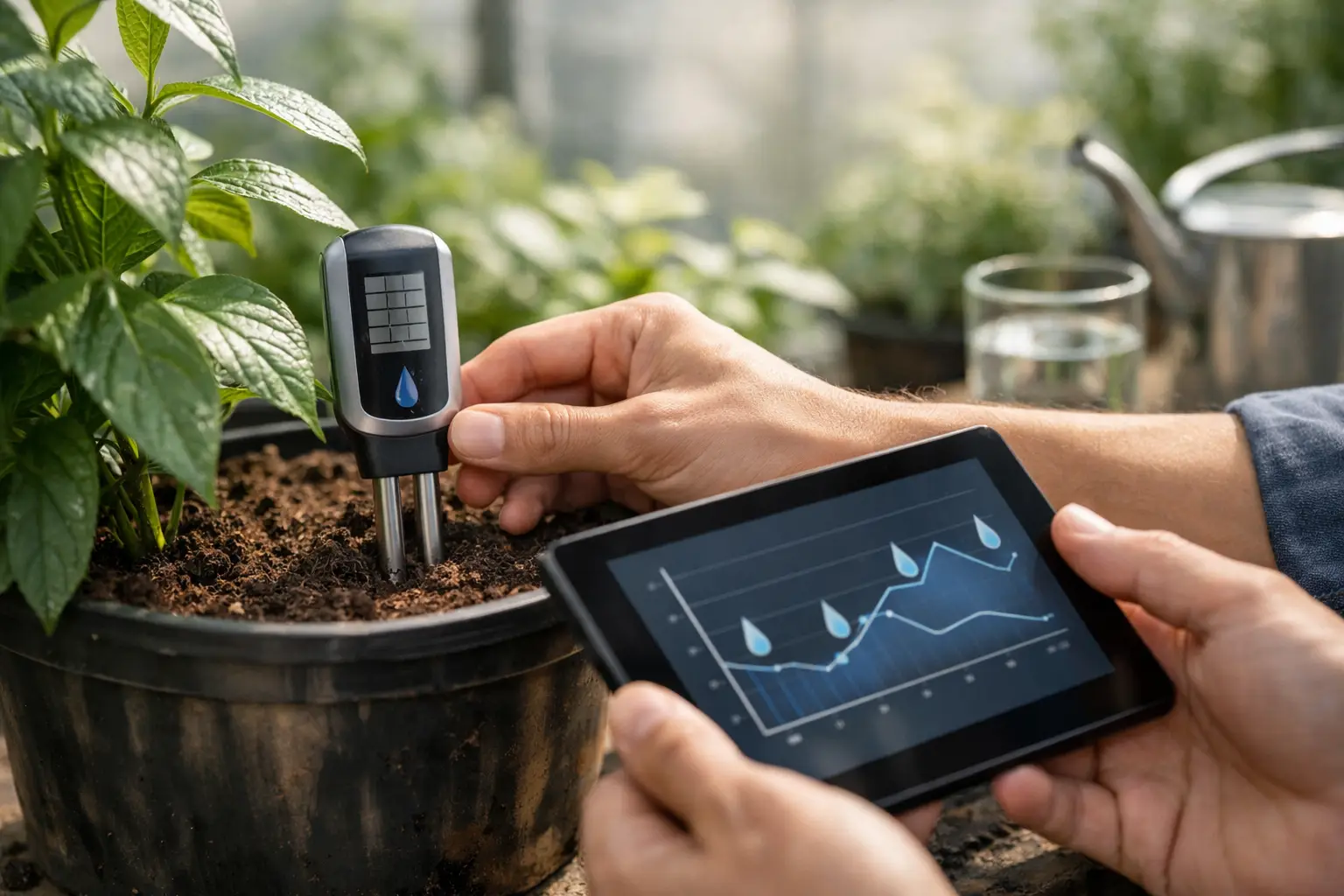
A lawn can look thirsty after a hot afternoon and still have plenty of water below the surface. A lavender can look perfectly fine while its roots are sitting too wet. That is why learning to set plant moisture targets is more useful than adding another fixed watering schedule. You are giving each plant, or group of similar plants, a clear soil-moisture range to live in.
A moisture target turns watering from a guess based on the calendar into a decision based on what is happening in the garden. When soil falls below the lower limit, watering can begin. When it reaches the upper limit, the valve can stop. The result is less wasted water, fewer stressed roots and far less time spent wondering whether the garden needs attention.
What a plant moisture target actually does
A plant moisture target is not one perfect number that suits every plant. It is a working range that reflects how dry or wet the root zone should be between waterings. The lower target is the point at which the plant needs water. The upper target is the point at which it has had enough.
This range matters because plants use water differently. A tomato in a raised bed needs consistently available moisture to produce well. An established rosemary prefers the soil to dry considerably between drinks. A young camellia may tolerate neither dry roots nor permanently soggy soil. Giving all three the same timer is convenient, but it is not good garden care.
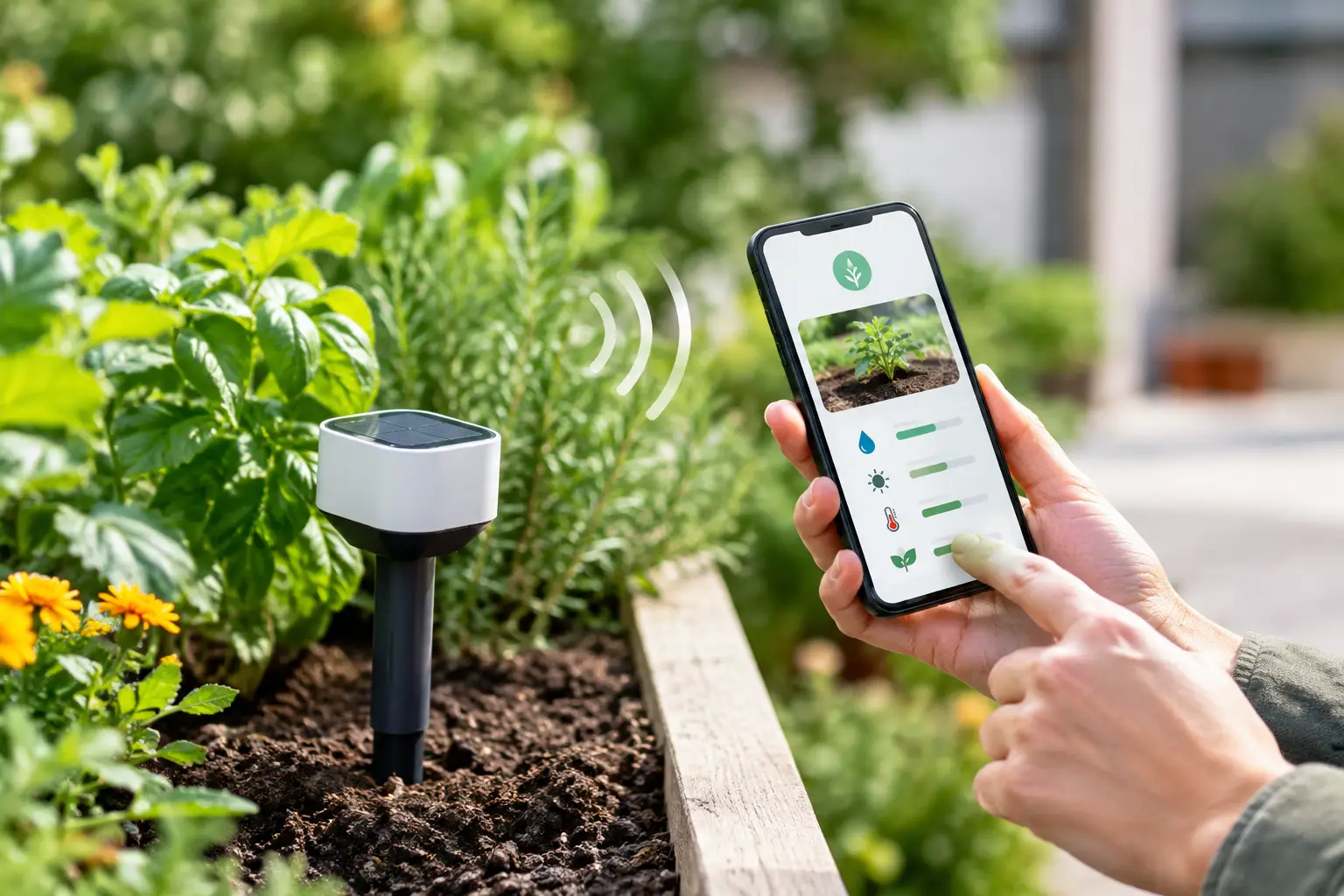
With a soil sensor and compatible smart valve, a target can guide automated irrigation. Instead of opening every Tuesday and Saturday regardless of rain, temperature or soil conditions, the system responds when the soil reaches the lower threshold. Weather still matters, but it becomes context for the decision rather than the entire decision.
Start with the plant, then check the growing conditions
The best target begins with the plant's natural preference, but it should not end there. Two identical plants can need different settings if one is in a breezy north-facing pot and the other is planted in a sheltered, shaded bed.
Start by identifying the plant and its general water preference: dry between watering, lightly moist, evenly moist or moisture-loving. If you are not sure what is growing in the garden, use a plant identification tool or check a reliable nursery label. This gives you a sensible starting point, especially for common Australian garden plants with very different needs.
Then adjust for the conditions around it. Consider the soil type, pot size, sunlight, wind exposure, mulch, slope and plant maturity. Sandy soil drains quickly and usually needs a narrower gap between the lower and upper limits. Clay holds water longer, so watering too early can leave roots without oxygen. Pots can dry rapidly in summer, particularly dark pots on paving, while a mulched garden bed may stay moist for days after the same watering event.
A newly planted shrub also has a smaller root system than an established one. It may need a more cautious target range for its first season, even if the mature version of that plant is drought tolerant.
Set plant moisture targets by plant group
Individual plant-level care does not mean every single pot must have a completely separate rule. Grouping plants with genuinely similar needs is often the practical choice, especially where one valve waters a whole bed or irrigation zone.
A productive vegetable bed is a good group because leafy greens, herbs and fruiting plants generally perform best with steady moisture. A native garden zone may be another, provided it contains plants with comparable needs and well-draining soil. Succulents, citrus, lawns and shade-loving ornamentals usually deserve separate consideration because their acceptable moisture ranges differ substantially.
Do not group plants only because they are close together. A thirsty hydrangea placed beside drought-tolerant grevilleas creates a compromise that will disappoint one of them. In that situation, move the plant, hand-water it, use a separate dripper line or create another zone if the garden layout allows.
For a mixed bed, choose the target around the plant that is least able to cope with the wrong conditions. But recognise the trade-off. Protecting a moisture-loving plant in a dry garden may increase water use and disease risk for its neighbours. Sometimes the smarter long-term solution is planting by water need, not simply changing the automation.
Place sensors where the roots are making decisions
A perfect target is useless if the sensor is reading the wrong patch of soil. Place the sensor in the active root zone, not right beside an emitter, at the edge of the bed or in a spot that receives run-off from paving.
For shallow-rooted vegetables, this is usually relatively close to the surface. For shrubs and established trees, the meaningful reading may be deeper and slightly away from the trunk, where feeder roots are actively taking up water. In pots, position the sensor where the root ball is likely to dry, while avoiding direct contact with the pot wall.
One sensor can represent a uniform garden zone, but only when it is genuinely uniform. A long bed with full sun at one end and afternoon shade at the other may need two readings or a more conservative irrigation design. The aim is not to add gadgets for their own sake. It is to avoid making a confident watering decision from an unrepresentative reading.
Before automating anything, compare sensor values with a quick physical check. Feel the soil at the relevant depth, notice how the plant looks over several days and observe how quickly the reading changes after watering. Sensors are most useful when paired with an understanding of what that number means in your own soil.
Use a lower limit and a stop point
The lower limit should protect plants from avoidable water stress. The upper limit should stop irrigation before the root zone stays saturated. This gap between start and stop points prevents short, repetitive valve cycles and gives water time to move through the soil.
For plants that prefer drying out, set a lower target that allows meaningful dry-down before watering begins. For vegetables and many flowering annuals, use a higher lower limit so the soil does not swing from wet to stressed. For plants in heavy clay, avoid setting the upper limit too high. Water may appear to have been absorbed at the surface while the lower root zone remains overly wet.
The exact values depend on the sensor's scale and calibration, so avoid copying a number from another garden without testing it. A percentage reading is only helpful if it reflects your soil, sensor placement and plant response. Think of initial targets as a controlled starting point, not a permanent prescription.
Calibrate with real garden behaviour
Give a new target time to prove itself. Watch at least a few watering cycles, and longer when the weather is stable. Note how much the soil reading rises after irrigation, how long it takes to fall and whether the plant remains healthy between cycles.
If the sensor reaches the lower target too quickly after every watering, the likely issue may be watering duration, poor emitter coverage or fast-draining soil rather than the target itself. If the reading stays high for days and leaves are yellowing or growth is limp, reduce the upper limit, shorten watering or investigate drainage.
Seasonal changes deserve their own adjustment. Melbourne's cool wet periods, Perth's dry summer heat and a sudden humid week in Brisbane can create very different drying patterns. Local weather forecasts can help postpone a planned cycle before rain, but actual soil moisture should remain the final check. Rainfall varies street by street, and a light shower often wets mulch without reaching roots.
Let automation handle the repeat work
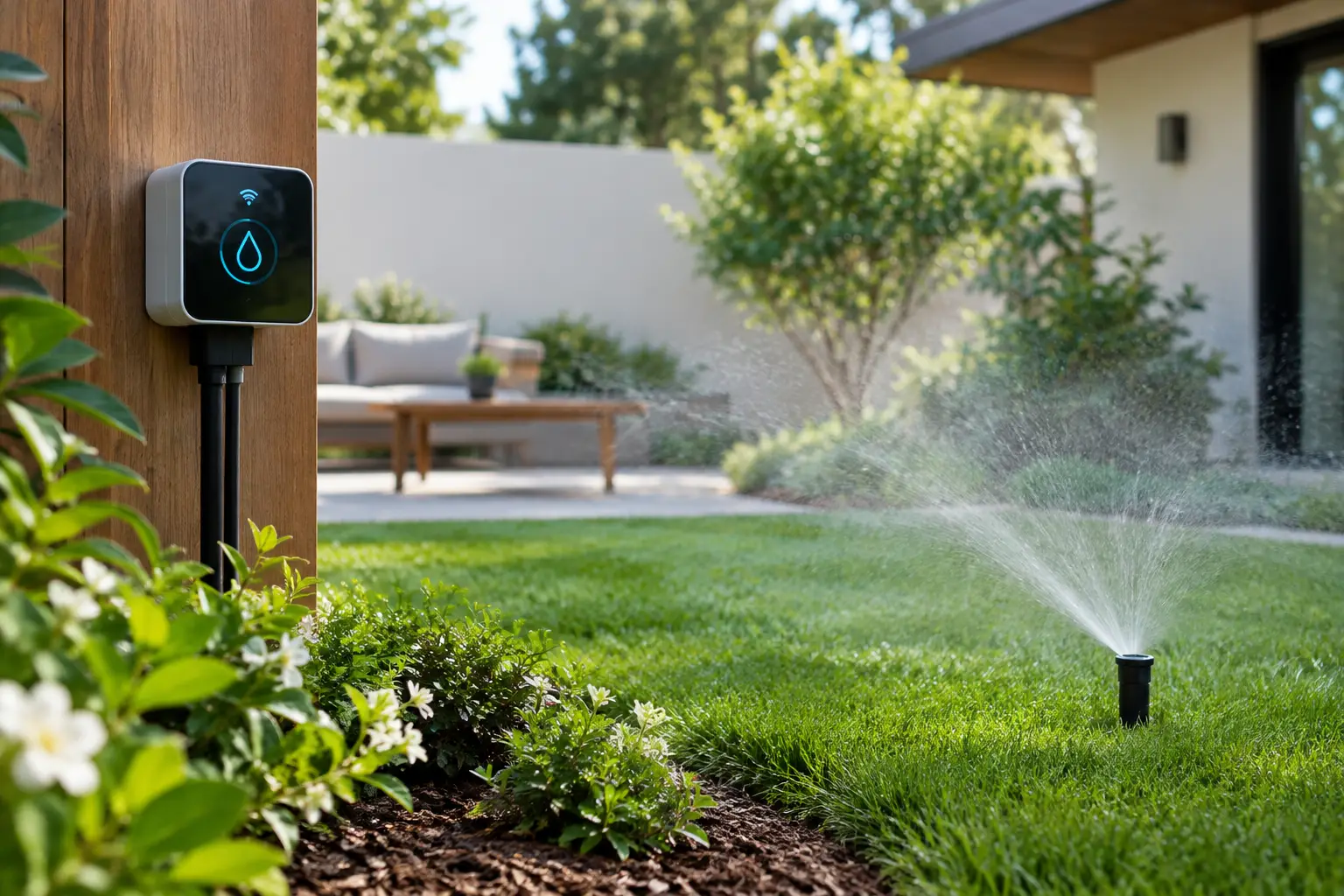
Once targets are tuned, automation becomes simple: read the soil, compare it with the plant's range, check the weather and run the valve only when required. This is the practical difference between an irrigation timer and a garden system that responds to conditions.
Verde brings plant identification, moisture targets, live soil readings, weather-aware irrigation and compatible valve control into one app, so a complicated garden can run in one simple flow rather than a dozen chores. You can still keep control with schedules and manual watering, but the target gives the system a reason to act or hold off.
Keep alerts enabled during the first few weeks. A notification for unusually dry soil, a valve that runs longer than expected or a sensor that has stopped reporting can catch problems before plants show obvious stress. Automation reduces the daily checking, but it should make you more informed, not less connected to the garden.
The most useful moisture target is the one that keeps a plant healthy while using no more water than it needs. Set a sensible starting range, watch what happens in your soil, and make small changes with confidence. Your garden will soon tell you when the target is right.