Smart Garden Systems That Water With Purpose
Smart garden systems combine soil data, weather and plant needs to water only when needed, helping Australian homes save water and grow healthier plants.
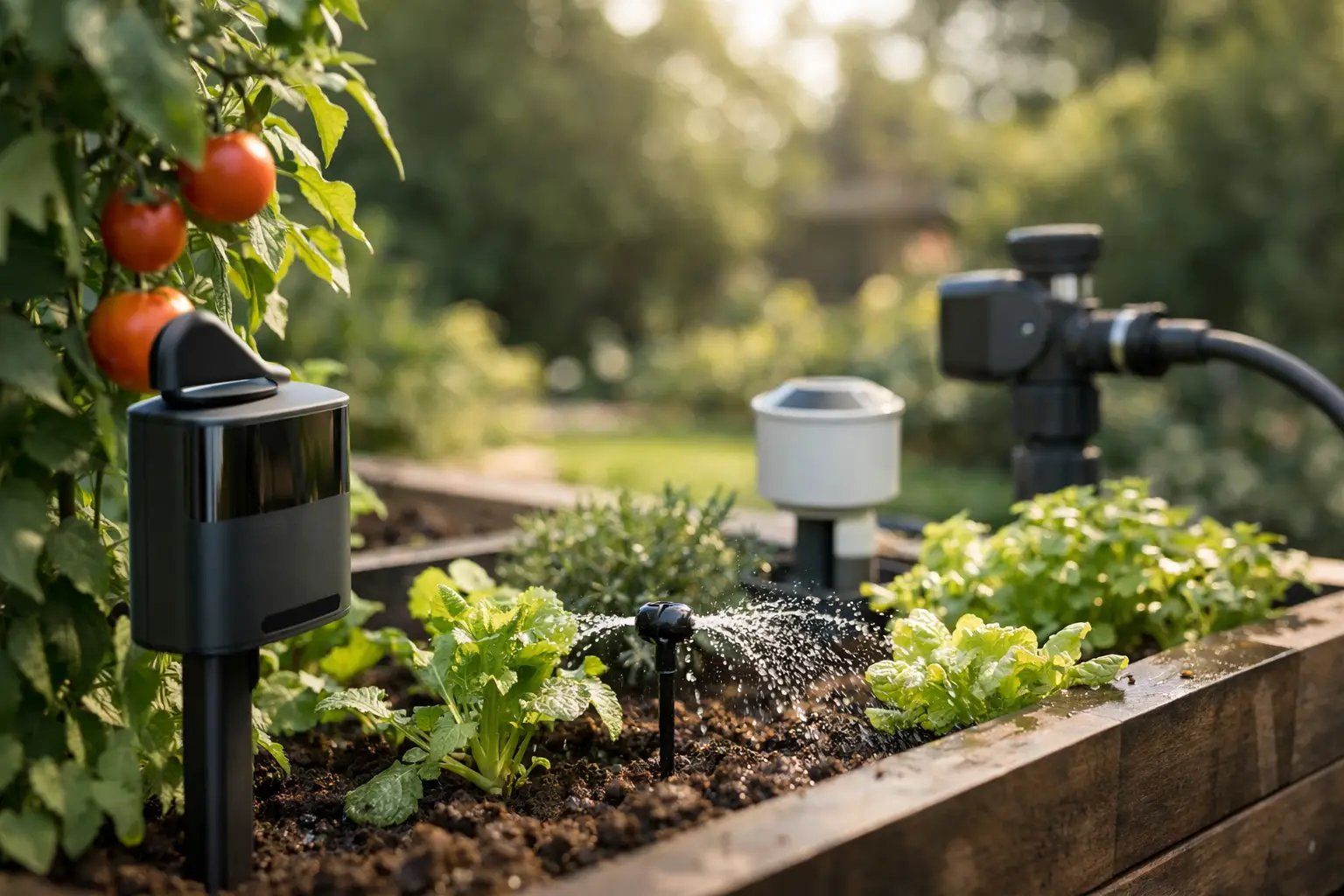
A Perth heatwave, a missed weekend watering round and a basic timer can be enough to turn a thriving garden into a patchy, stressed one. Smart garden systems offer a better way: they use what is happening in your garden now - not just what a schedule predicted days ago - to make watering decisions.
For Australian homes, that difference matters. A sunny courtyard, shaded fern bed, raised veggie patch and lawn can all need water at completely different times. Treating them as one garden wastes water in some places and leaves plants thirsty in others.
What smart garden systems actually do
A smart garden system brings plant care, environmental information and irrigation control into one connected flow. At its simplest, it can turn a valve on from your mobile. At its most useful, it can check soil moisture, consider local weather, compare conditions with a plant’s preferred moisture range and water only when that plant or zone needs it.
That is a meaningful step up from a conventional irrigation timer. A timer follows a rule such as “run every Tuesday and Saturday for 15 minutes”. It cannot tell whether steady rain has already soaked the garden, whether the soil remains damp beneath mulch, or whether a thirsty tomato plant needs attention before the rest of the bed.
The best systems make those differences visible without turning garden care into an IT project. You should be able to see your zones, understand what is due to happen and step in whenever you want. Automation should reduce repetitive chores, not remove your control.
From fixed schedules to moisture targets
Soil moisture is the most useful signal for irrigation because it reflects conditions around the roots. A sensor can show whether the soil is dry enough to need watering, rather than guessing from the temperature or the number of days since the last cycle.
A moisture target makes this more practical. Instead of choosing a fixed run time and hoping for the best, you set an acceptable moisture range for a plant or zone. When the reading drops below the lower target, the system can open a compatible smart valve. When the soil reaches the upper target, it can close it again.
It is a simple idea with a practical outcome: water goes where it is needed, when it is needed. For a garden with mixed plantings, this can help prevent the familiar compromise where hydrangeas are overwatered to keep citrus happy, or herbs struggle because the whole bed is treated like a lawn.
The parts of a useful smart garden setup
Connected gardening does not have to mean replacing every component you own. Many households start with one zone and build from there. The exact setup depends on your garden, but a capable system usually combines a few core elements.
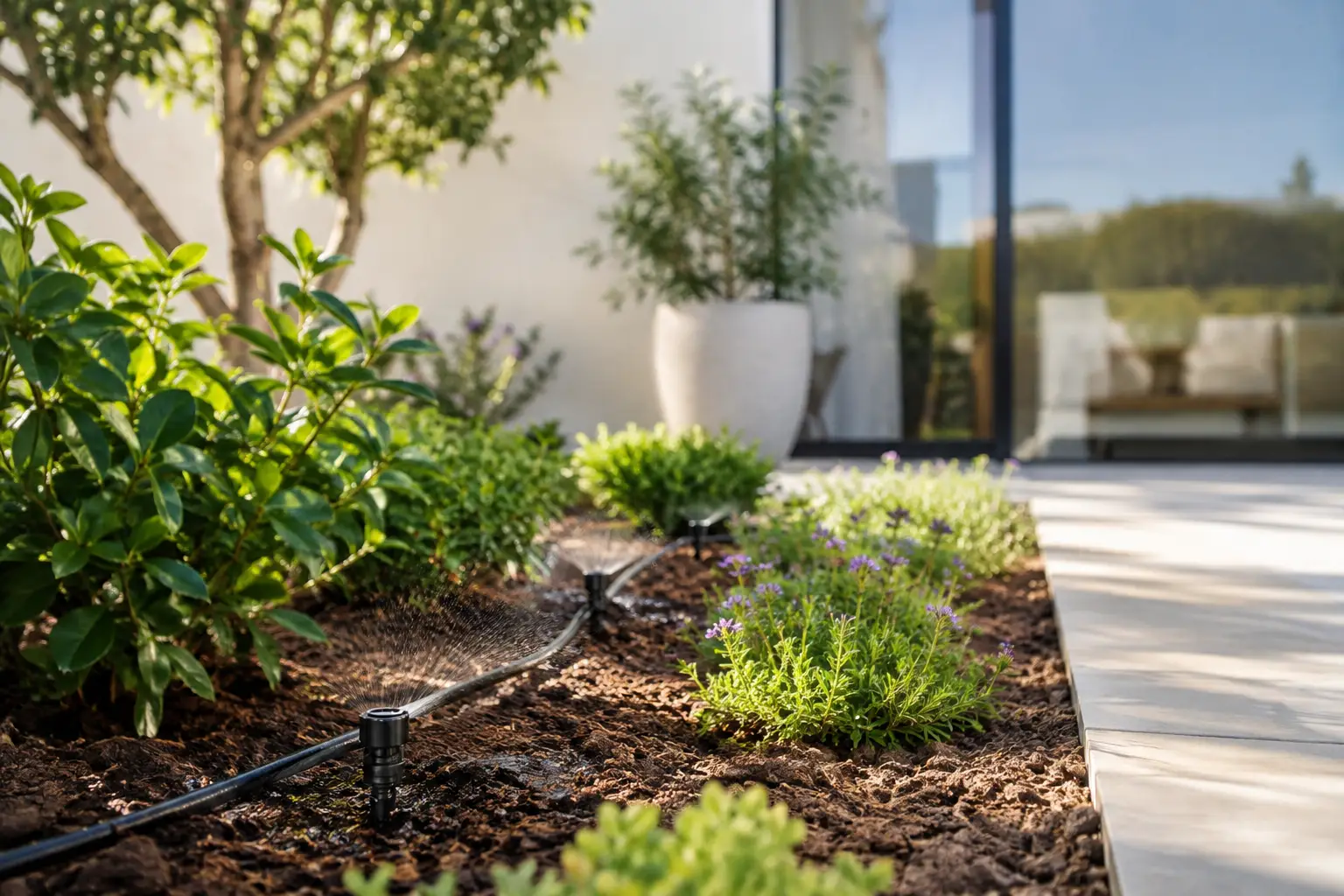
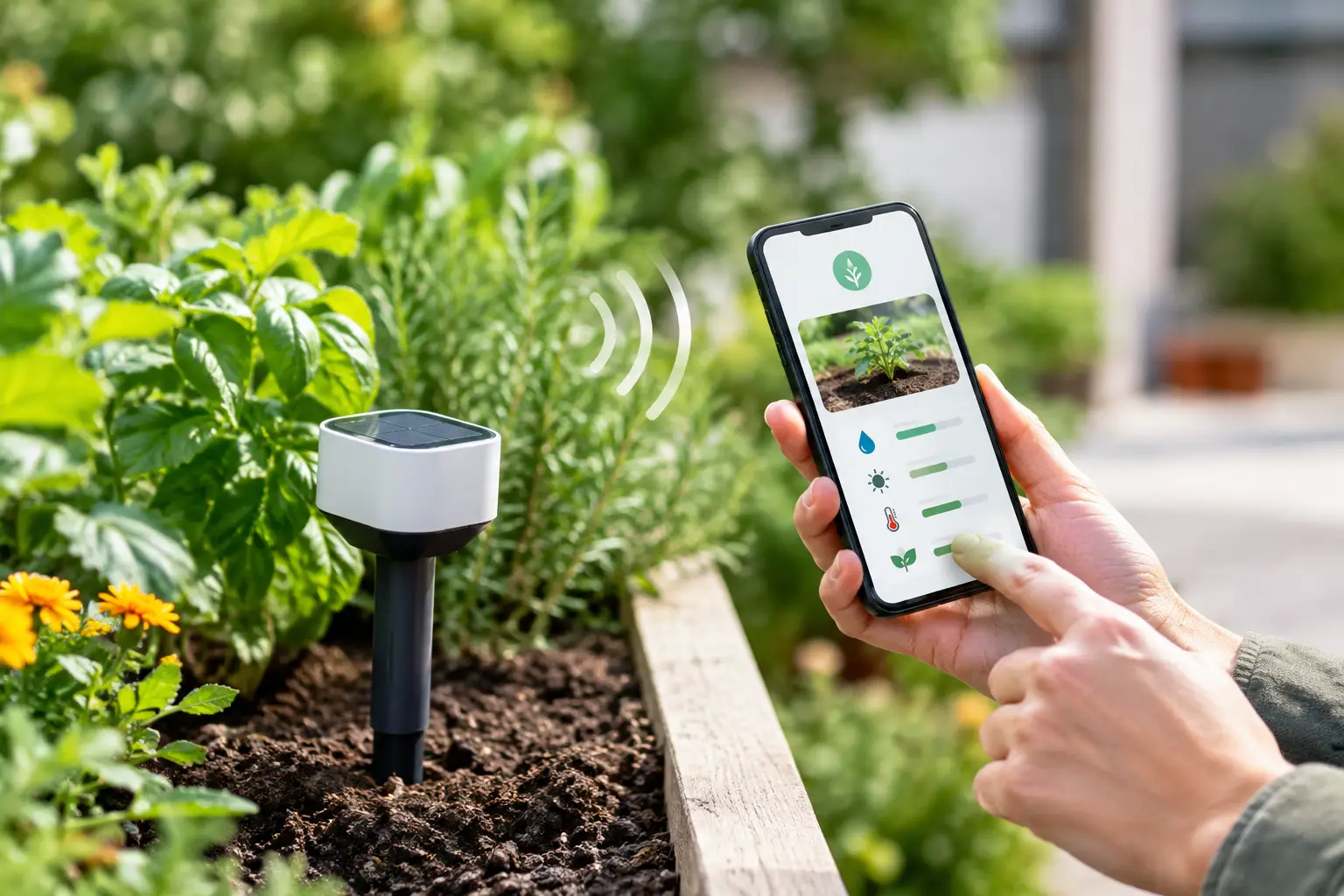
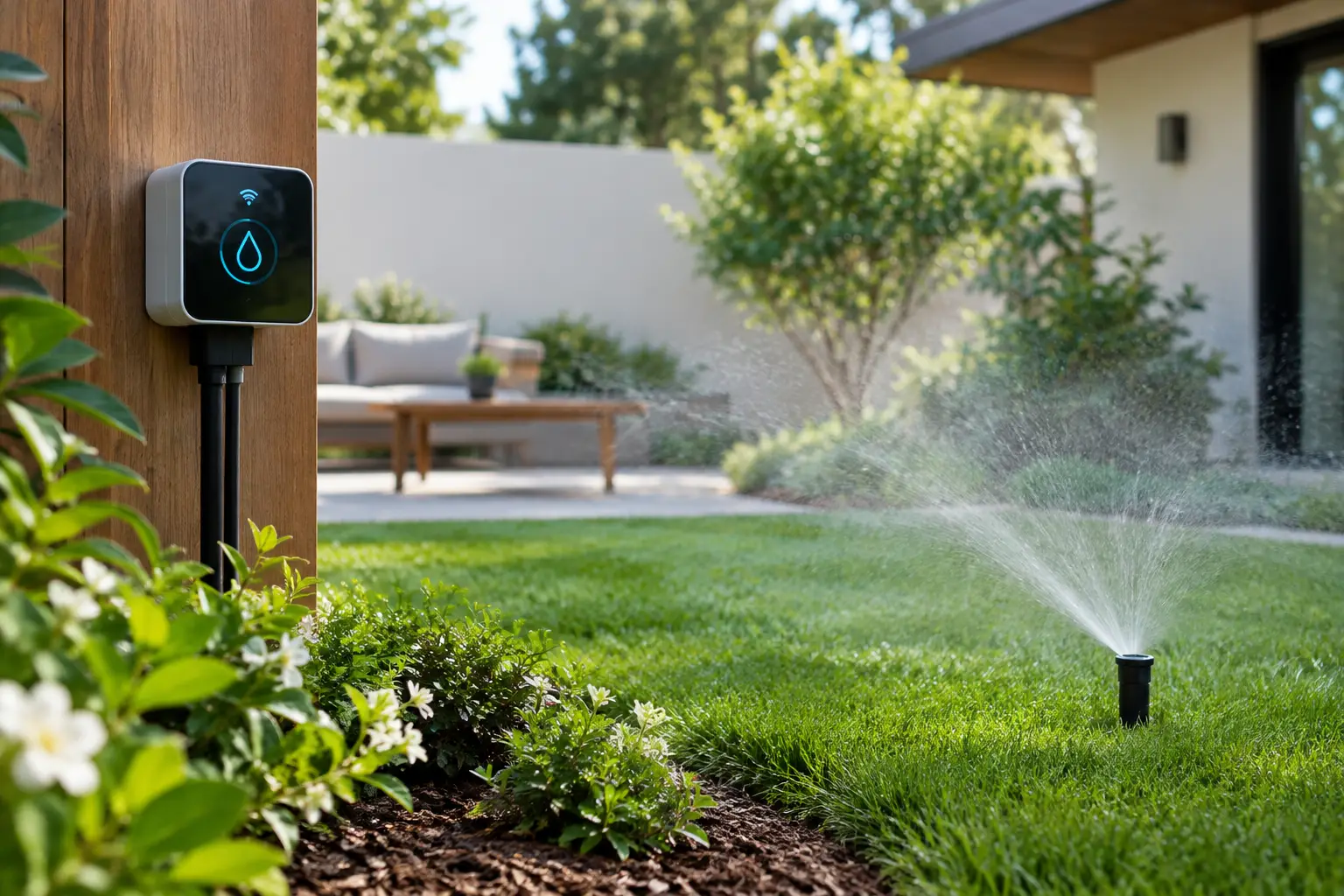
A smart irrigation valve controls water flow to a line or zone. Soil sensors provide readings from the root area. A mobile app organises plants and zones, displays conditions and sets the logic for watering. Weather information adds context, helping avoid irrigation before or during rain and adjusting expectations during hot, dry spells.
Plant information is the missing piece in many smart watering products. A valve can be connected, but it still needs to know what it is watering. Photo-based plant identification and health assessments can help households identify an unfamiliar plant, set a suitable moisture range and spot possible issues before damage becomes obvious.
For gardeners with connected-home equipment, interoperability is worth checking before buying anything. Support for Matter, Apple Home, Google Home and Home Assistant can keep your garden part of the setup you already use rather than creating another isolated app and another hub on the shelf.
How to choose a system for your garden
Start with the problem you want to solve. If you regularly forget to water pots, a single sensor and valve may be enough. If you manage lawns, veggie beds, ornamentals and a growing collection of indoor-outdoor plants, look for a system that can organise several zones and treat their needs separately.
The number of zones matters, but it is not the only consideration. A large lawn may work well as one zone, while a small garden bed could need two if one side receives full afternoon sun and the other sits under a pergola. Group plants with similar light exposure, soil type and water needs where possible. This gives automation sensible boundaries to work within.
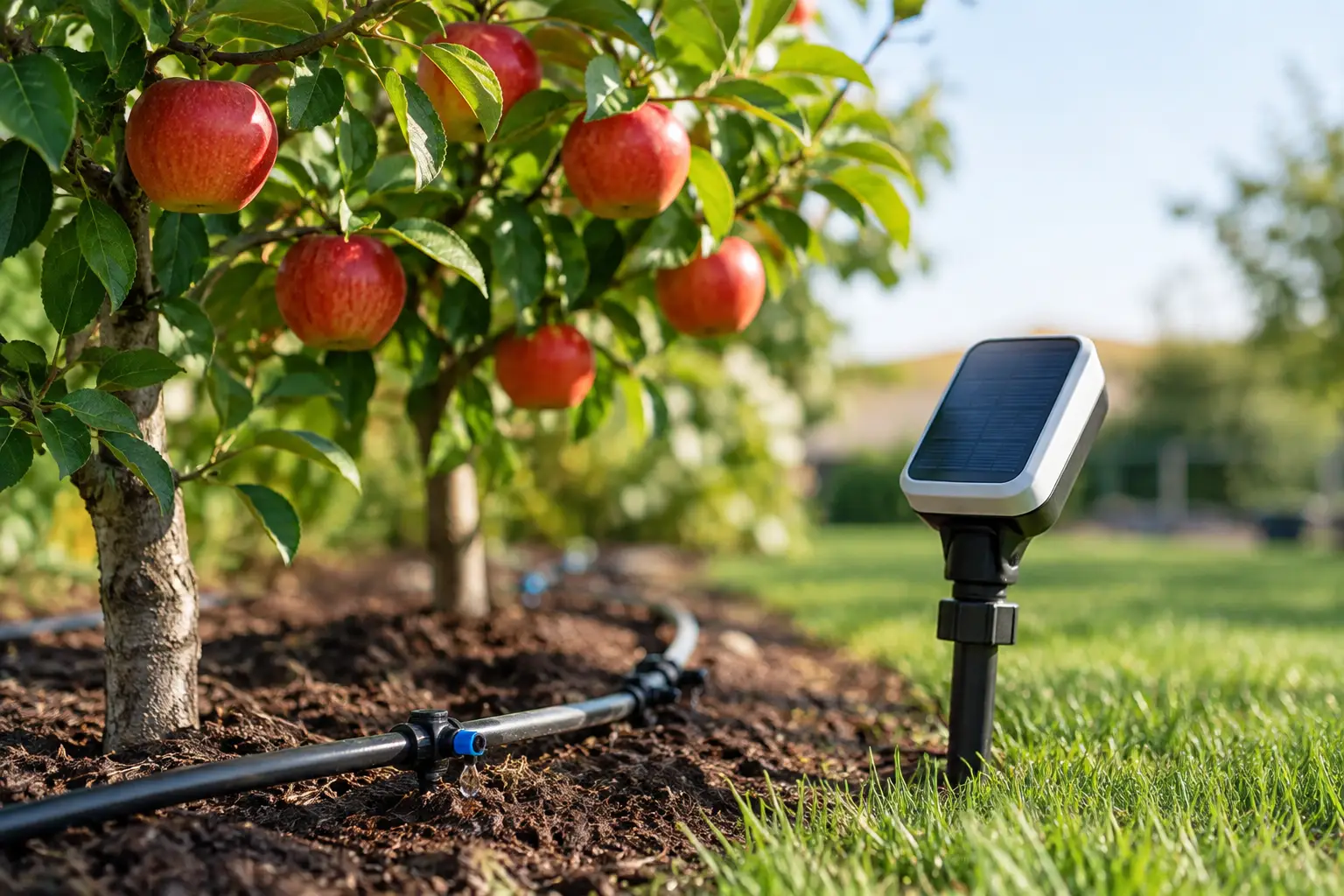
Also consider where sensor data is collected. A sensor placed near a dripper that receives more water than the rest of the bed will give an overly optimistic reading. Place it in a representative root zone, away from edges, runoff paths and direct spray. One carefully positioned sensor can be more useful than several poorly placed ones.
The trade-off between automation and oversight
Fully automated watering is convenient, but gardens still benefit from human observation. Sensors can measure moisture, not every issue affecting a plant. A chewed leaf, fungal spot, blocked dripper or newly transplanted seedling may need a different response.
Think of a smart system as a reliable garden assistant. It handles the repeatable decisions - checking soil, opening valves, skipping unnecessary watering - while you retain the judgement that comes from seeing your plants. Notifications, moisture history and photo-based checks make that judgement faster.
Weather data also needs common sense. Local conditions can vary street by street, especially around coastal areas, hills and built-up suburbs. Use weather-aware controls as useful context, then rely on soil readings to confirm what is happening in your own garden.
Set up your garden in a simple flow
The strongest setup is usually the one you will keep using. Begin by mapping your garden into clear zones such as front lawn, raised vegetables, rear border and patio pots. Add the plants that matter most first, particularly high-value edibles, young plants and anything that tends to struggle through summer.
Next, identify plants where needed and set realistic moisture targets. A native garden, tropical foliage and a productive tomato patch should not be given the same threshold. If you are unsure, start conservatively, watch how plants respond for a week or two and refine the settings.
Then connect compatible sensors and valves, test each zone manually and confirm that water reaches every dripper or sprinkler as expected. Automation cannot compensate for a split hose, blocked emitter or poorly designed irrigation line.
Once the basics are working, enable weather-aware rules and automated control. Review the first few watering events. You are looking for confidence, not complexity: the valve opens when soil is dry, watering pauses when moisture is adequate and the garden remains healthy without constant intervention.
Verde brings these steps into one app for the whole garden, combining plant identification, health checks, moisture targets, live weather and compatible valve control without requiring a hub or subscription. The point is not more smart-home admin. It is one simple flow instead of a dozen chores.
Where smart watering saves the most water
Smart garden systems are especially valuable where fixed schedules tend to fail. Pots dry faster than garden beds, particularly on exposed balconies and courtyards. Veggie gardens can move from consistently moist to dry very quickly during fruiting. New plantings need regular attention until their roots establish, while mature trees often need deeper, less frequent watering.
They can also reduce watering after rainfall. A timer may still run because it has no reason not to. A system guided by local weather and actual moisture conditions can wait until the soil genuinely needs water again.
Savings will vary. Soil type, mulch depth, irrigation design, shade and plant selection all affect how much water a garden uses. Smart control is not a promise that every garden will use the same amount less. It is a way to replace unnecessary watering with measured decisions.
A garden that is easier to keep alive
The real appeal is not the technology itself. It is coming home after a hot few days and seeing healthy plants rather than trying to work out what went wrong. It is knowing the veggie patch has been checked while you were away, without running sprinklers blindly every morning.
Start with the zone that causes the most worry, place the sensor well and let the garden’s own conditions guide the next watering decision. A calmer, more water-wise garden often begins with that one change.