Smart Gardening That Waters by Plant, Not Timer
Smart gardening uses plant data, soil moisture and local weather to give every garden zone the right water, without daily timer guesswork or subscriptions.
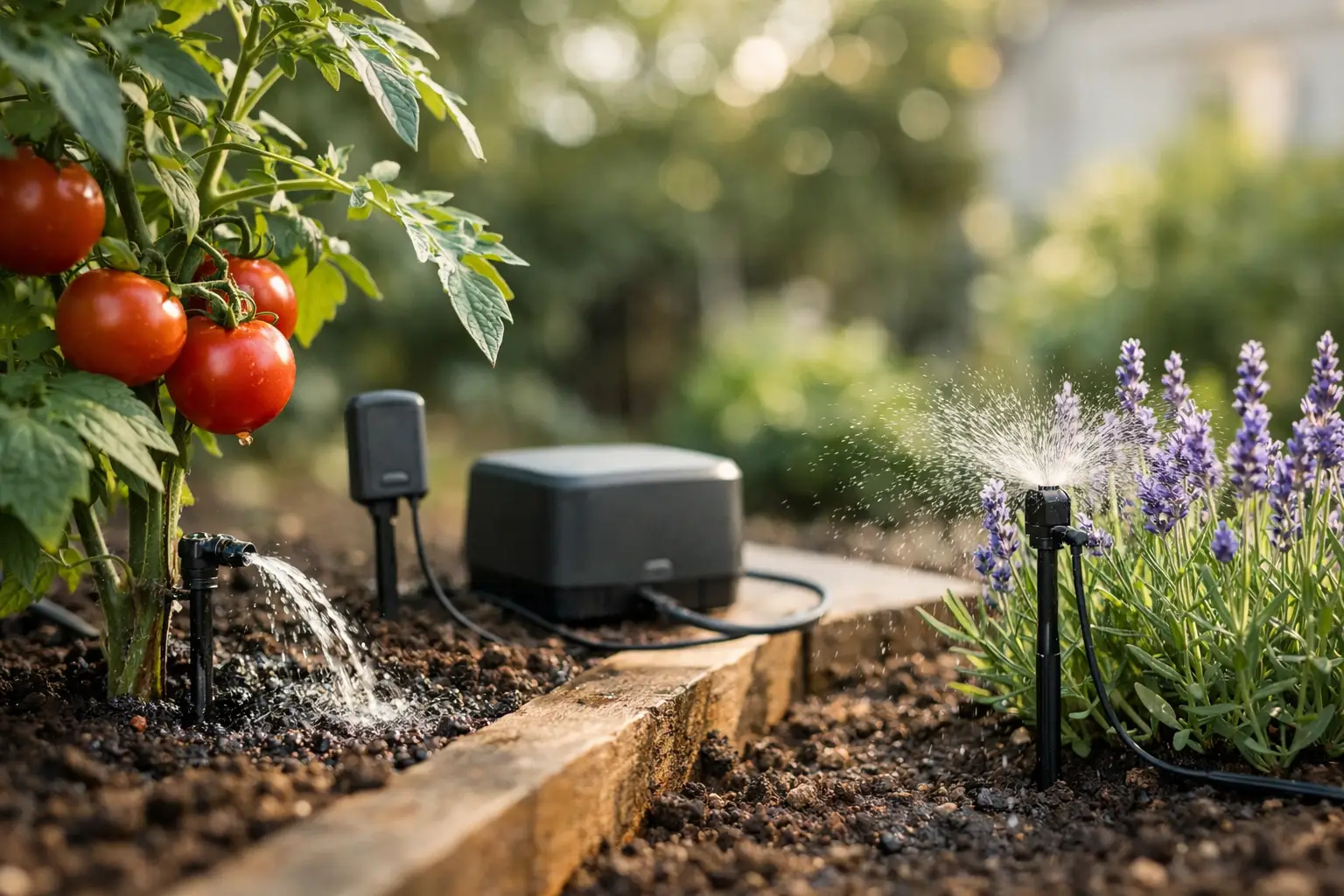
A lavender hedge, a thirsty veggie patch and a shaded fern bed should not receive the same watering simply because they share a backyard. Yet that is exactly what a basic irrigation timer does. Smart gardening replaces that blunt routine with decisions based on what is actually growing, how wet the soil is and what the weather is about to do.
For Australian households, that shift matters. Long dry spells, sudden storms, water restrictions and intense summer heat can make a garden hard to manage by memory alone. The goal is not to automate every gardening decision. It is to remove the repetitive guesswork so you can spend more time enjoying the garden and less time checking taps, timers and wilting leaves.
What smart gardening should actually solve
A connected tap timer is useful, but it is only one part of a smart garden. It can turn water on at 6 am every second day. It cannot tell whether last night's rain reached the root zone, whether the soil in a raised bed has already dried out, or whether the plant in that bed prefers evenly moist soil rather than a deep soak followed by drought.
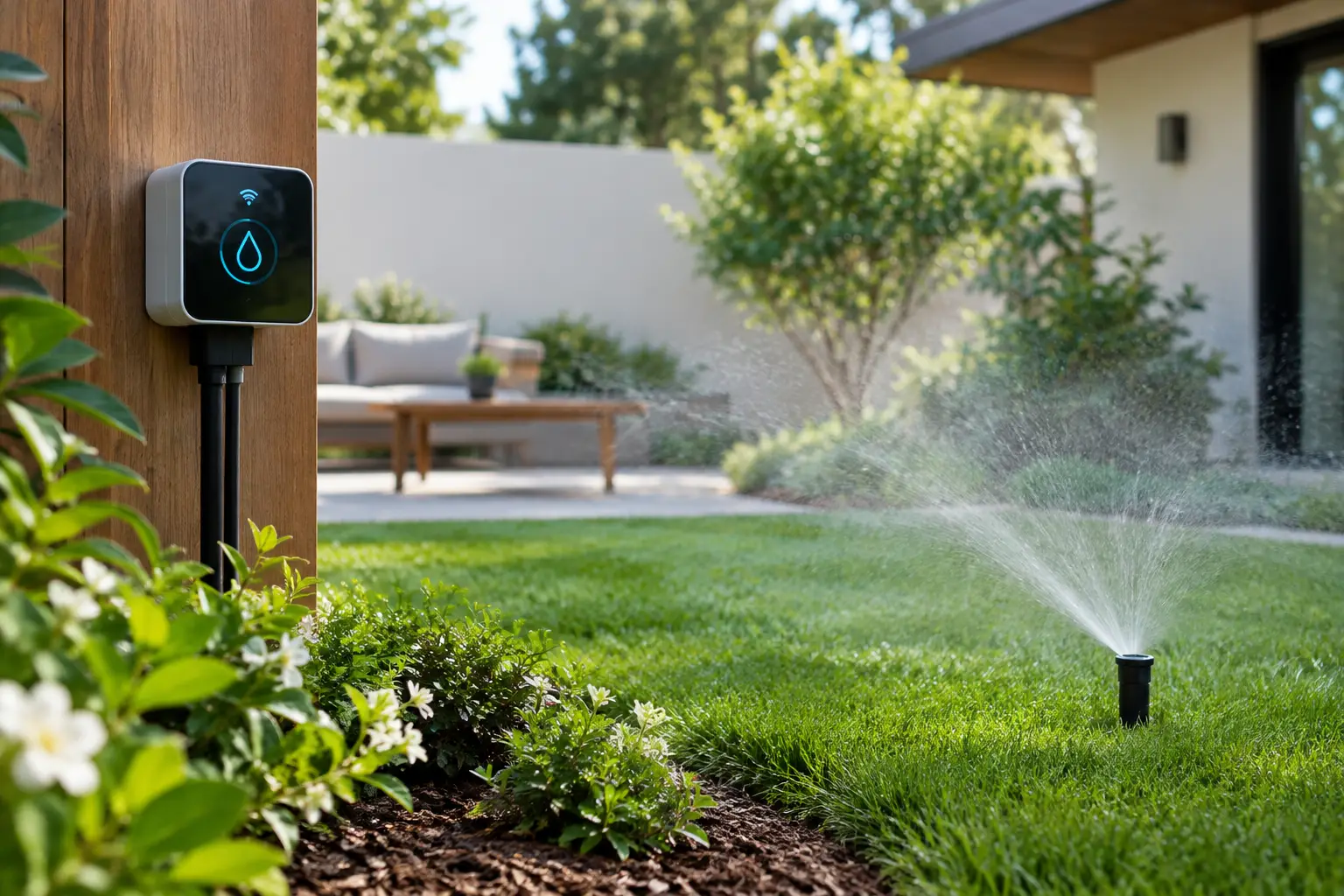
Useful smart gardening brings four things together: plant knowledge, real soil conditions, local weather and irrigation control. When those inputs work as one flow, the system can make a more sensible call. If a plant's soil moisture is below its target and rain is not expected, watering can start. If the soil remains wet enough, the valve stays closed.
That sounds simple because it should be. The intelligence belongs behind the scenes, while the outcome is clear: each part of the garden gets water when it needs it, rather than when a timer happens to say so.
The difference between a zone and a plant
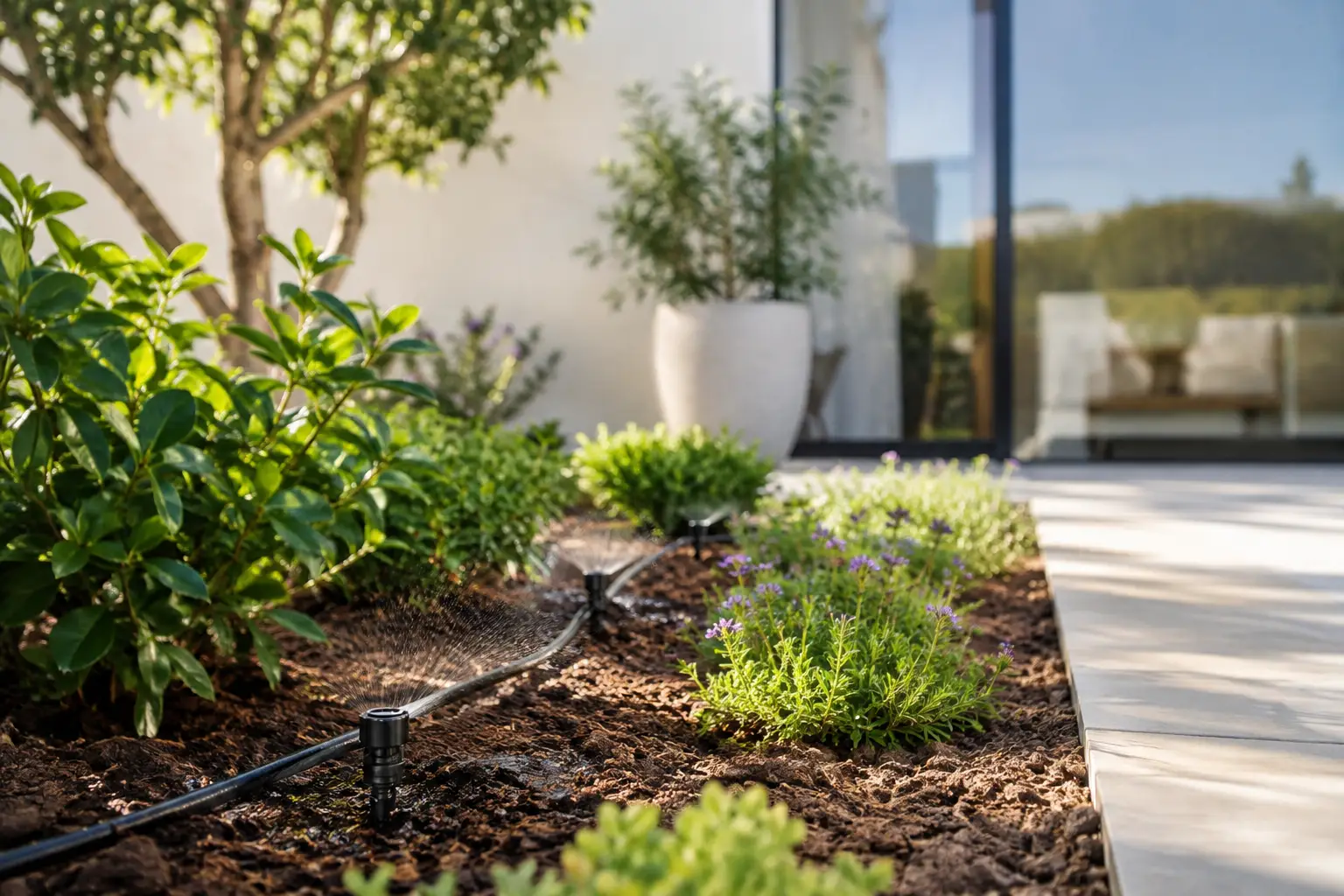
Irrigation hardware works in zones. Gardens, however, are made of individual plants with different needs. A citrus tree, rosemary, hydrangea and lawn may all be close together, but their ideal moisture ranges and tolerance for drying are not the same.
The practical answer is to organise plants within their irrigation zones, then choose sensible groupings. A valve can only water everything connected to it, so plants with broadly similar needs should share a zone where possible. Smart control becomes far more effective when the physical garden layout supports it.
It also means accepting a trade-off. You do not need one valve per plant for a better garden. But a mixed bed containing water-loving ornamentals and drought-tolerant natives may need separate irrigation lines before any app can manage it precisely.
Build a smart garden from the soil up
The best setup starts with the garden you have, not a shopping list of gadgets. Walk through each area and identify which spaces are watered together, which plants dry out fastest and where a missed watering would cause the most damage. For many homes, that means lawns, pots, veggie beds, established garden beds and indoor plants each become their own group.
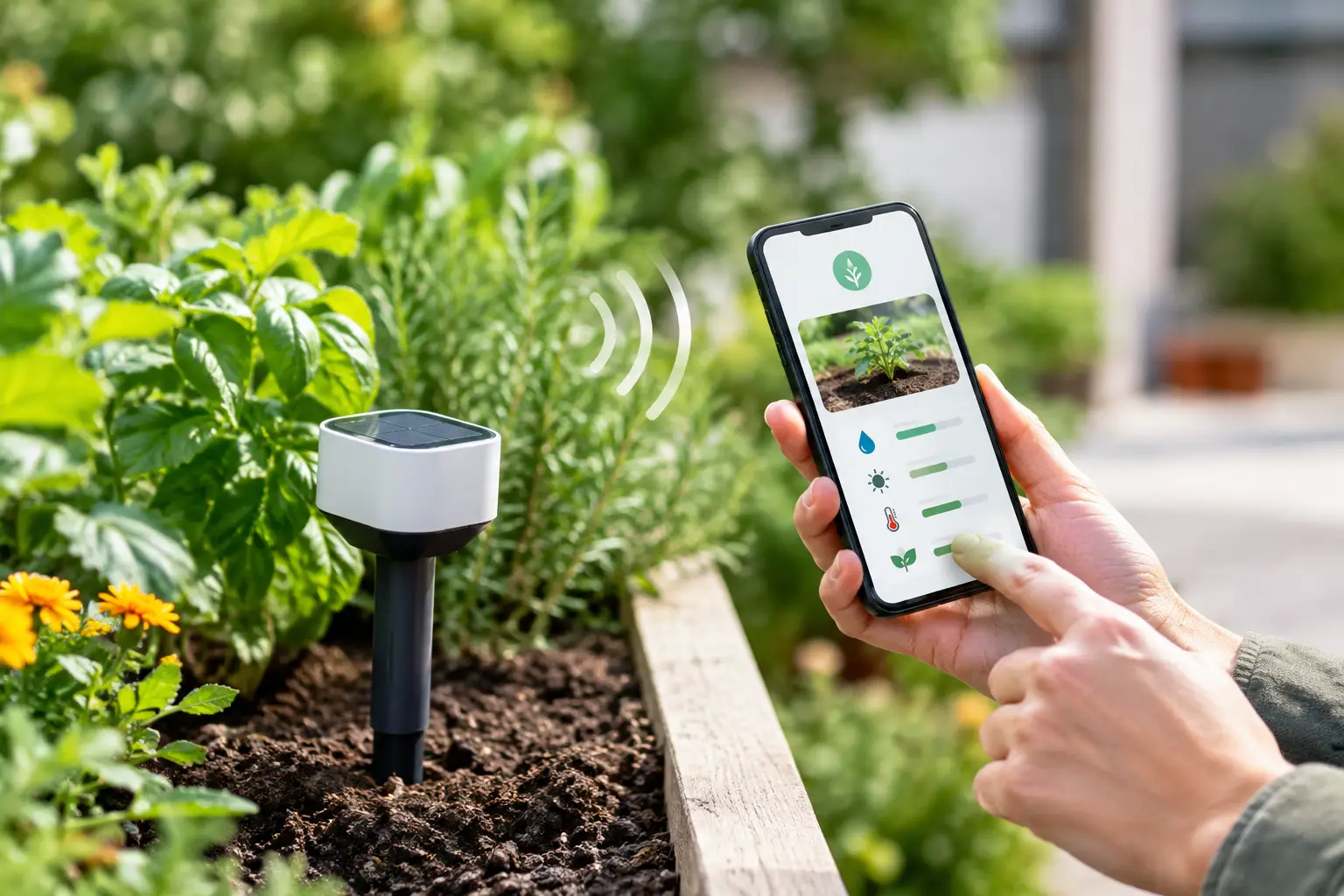
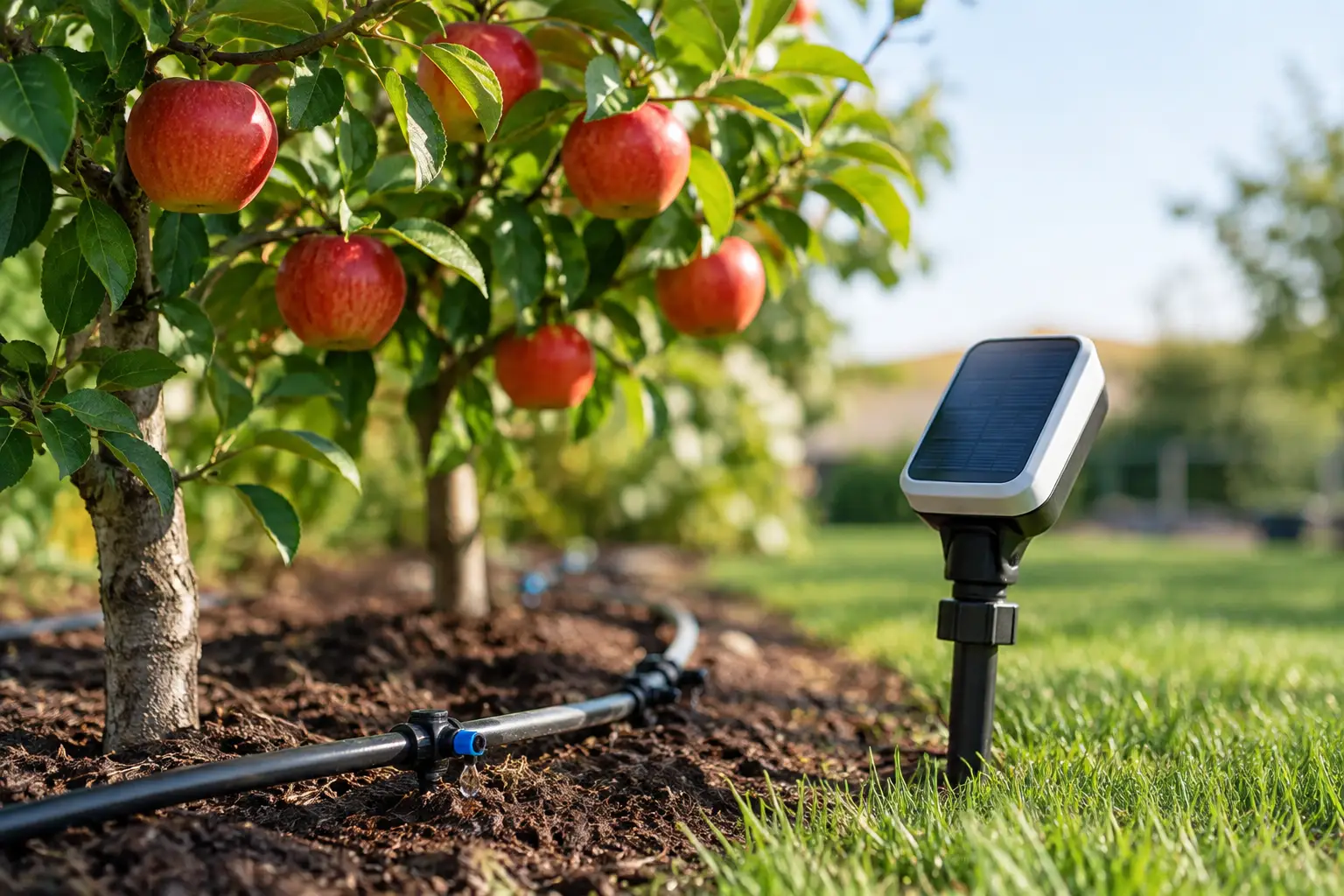
Then add information where it changes a decision. A soil-moisture sensor in every single pot is rarely necessary. A well-placed sensor in a representative part of a garden zone can be enough, provided the soil type, sun exposure and plant needs are similar. A hot west-facing bed, for example, should not rely on a sensor buried in a sheltered corner.
Sensor placement matters as much as the sensor itself. Position it at root depth, not on the surface where readings can swing after a light shower. Keep it away from drippers that create an unusually wet pocket, and allow time after installation for readings to settle into a meaningful pattern.
Start with moisture targets, not watering days
Traditional watering routines are written as a calendar: Mondays, Wednesdays and Saturdays for 15 minutes. A plant-centred system uses a moisture target instead. You define the preferred range, monitor the soil, and water only when conditions fall below that range.
This is especially useful for pots and veggie beds, where moisture can change quickly, and for gardens with varied soils. Sandy soil often drains fast. Clay can remain wet beneath a dry-looking surface. The right trigger is therefore not a universal number copied from another garden. It is a target that reflects the plant, container or bed, soil mix and season.
Begin conservatively and observe. If plants are healthy but the soil is staying wetter than necessary, lower the target or shorten the watering cycle. If leaves droop regularly before the system responds, increase the target or check that the sensor is measuring the active root zone. Automation gives you a repeatable baseline, not an excuse to stop looking at your plants altogether.
Smart gardening works better with weather, not against it
Weather-aware irrigation is one of the easiest ways to avoid pointless watering. If meaningful rain is likely, a planned cycle can be delayed. During a heatwave, the same garden may need closer attention than it did the week before. Local weather adds context, but it should support soil data rather than replace it.
Forecasts are imperfect, particularly in suburbs where a storm can soak one street and miss the next. Soil moisture provides the reality check. A sensible smart garden combines the two: forecast rain may pause a watering event, while dry soil confirms when water is genuinely needed.
This approach is better for water use and plant health. Constantly wet roots can be as harmful as dry ones, especially for plants in heavy soil or poorly drained pots. The aim is not maximum watering. It is the right amount, at the right time.
One app, one clear garden view
A garden becomes difficult to manage when its information is scattered across handwritten notes, a weather app, a timer app and whatever you can remember from last weekend. A useful mobile app should let you photograph a plant, identify it, record its moisture preference, place it in a garden zone and connect that zone to a valve and sensor.
That visual organisation matters. When you can see the garden as zones and plants rather than a tangle of devices, it is easier to spot gaps. You may notice that the courtyard pots have no sensor, that a valve is serving plants with conflicting needs, or that one bed always requires manual intervention after a hot northerly.
Verde is built around this one-app approach, combining plant identification, photo-based health checks, moisture targets, live weather and compatible smart-valve control without a hub or subscription. It can also work alongside Apple Home, Matter, Google Home and Home Assistant, so the garden does not need to become a separate smart-home island.
Keep control in the right hands
Automation should be easy to override. You might be applying seaweed tonic, testing a new dripper layout, hosting a backyard gathering or responding to a council water restriction. In each case, you should be able to pause a schedule, run a zone manually or adjust a target without dismantling the whole system.
Privacy deserves the same practical thinking. AI features can be genuinely helpful for identifying an unfamiliar plant or assessing a photo of damaged leaves, but homeowners should know what data is being used and retain choice over any AI provider connection. Smart gardening is most useful when it gives you more visibility and control, not less.
The small checks that prevent big garden problems
Even a well-configured system needs occasional attention. Drippers clog, mulch shifts, batteries run down and plants outgrow the assumptions made when a bed was first planted. A quick monthly check is usually enough to catch problems before they become a dead patch of lawn or a stressed crop of tomatoes.
Look for water reaching the soil rather than running down paths, check that sensor readings match what you see and feel near the roots, and reassess zones as plants mature. A young shrub may share a bed happily in its first year, then become a much larger drinker as its root system expands.
Smart gardening does not ask you to become a technician. It gives you a calmer way to care for a living, changing garden. Start with one high-value zone, set a realistic moisture target, and let the soil show you what the garden needs next.