A Smart Irrigation Controller That Waters by Need
Choose a smart irrigation controller that responds to soil, weather and plant needs, then set up watering that saves water and keeps gardens healthier.
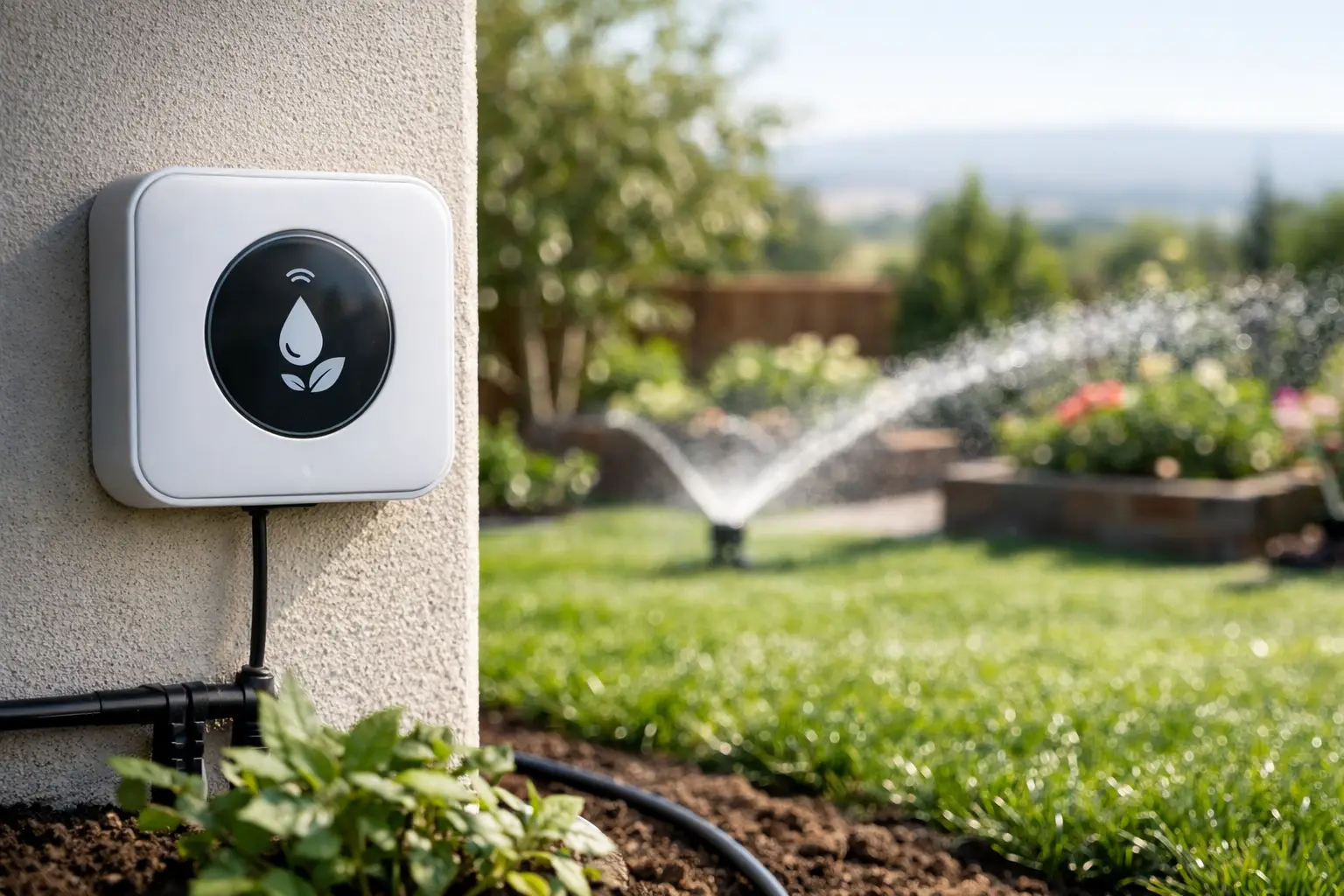
A Perth heatwave can dry a sunny herb bed in a day while the shaded plants beside it barely need a drink. That is why a smart irrigation controller should do more than turn water on at 6 am. The useful kind responds to what is happening in your garden: soil moisture, local weather, the plant type and the conditions in each zone.
Basic timers are better than forgetting altogether, but they still follow a rule written weeks or months earlier. A connected controller can make watering feel far less like another household chore. Set the right conditions once, then keep visibility and control on your mobile when the weather changes.
What a smart irrigation controller actually does
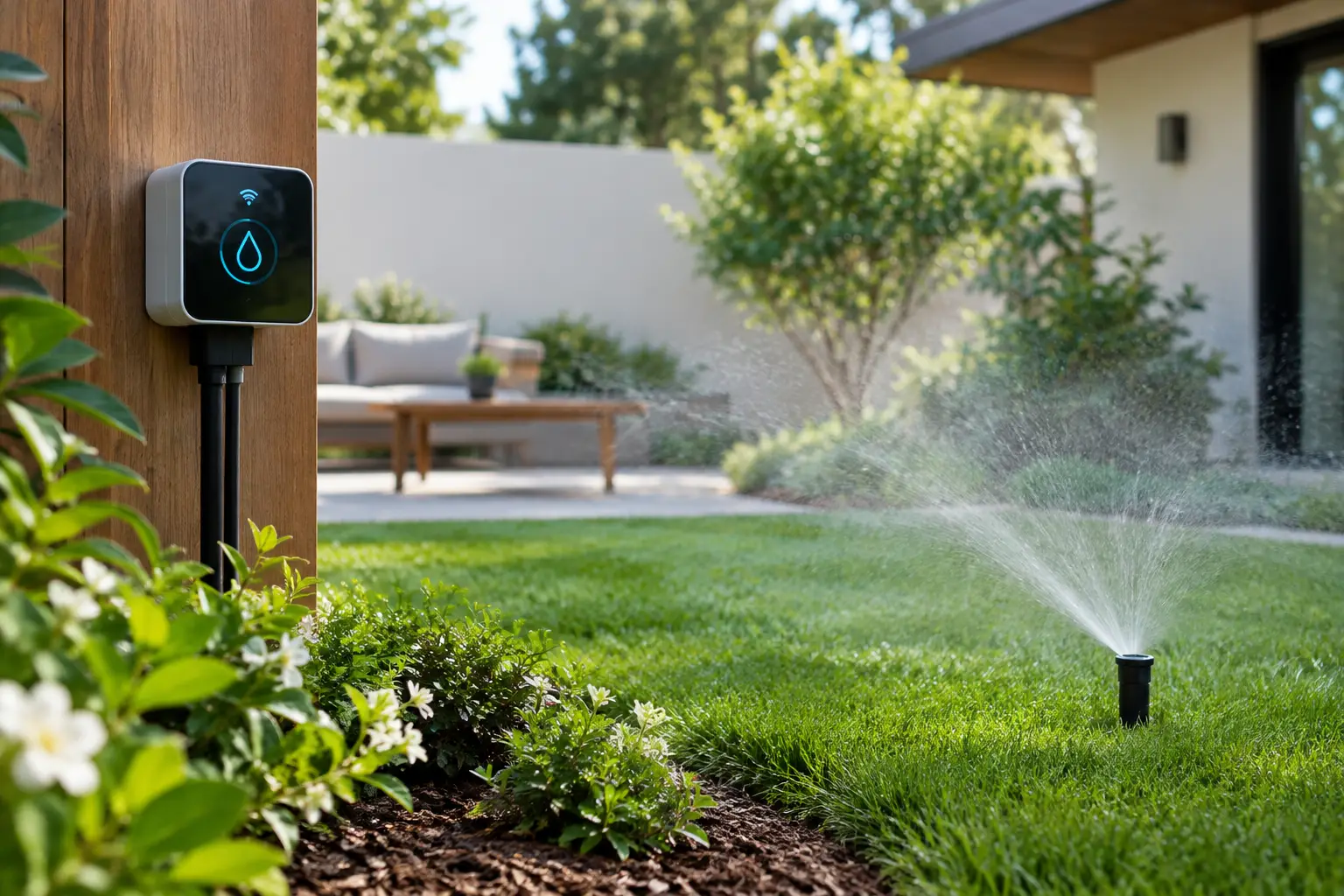
At its simplest, a smart irrigation controller opens and closes a valve automatically. The difference is the decision behind that action. Instead of watering for a fixed number of minutes on fixed days, it can use sensor readings, weather data or both to decide whether watering is needed.
That distinction matters in Australian gardens. Rainfall can be patchy, summer temperatures can jump quickly, and a lawn, citrus tree, raised veggie bed and native border do not have the same water needs. Running every zone on one timer is convenient, but it can leave one area thirsty and another overwatered.
The best setup treats irrigation as a response to a target. If soil moisture falls below the preferred range for a zone, the valve opens. When that target is reached, it closes. If rain has already done the job, a weather-aware system can delay or skip watering.
This does not mean automation has to be mysterious. You should still be able to see the current moisture level, upcoming schedule, valve status and watering history. Automation is most reassuring when the garden is on autopilot but you remain in control.
Start with garden zones, not gadgets
Before choosing devices, walk through the garden and identify areas that genuinely need separate treatment. A zone is not simply every irrigation line you already have. It is an area with similar light, soil, plant types and watering needs.
For example, a north-facing veggie patch may need its own zone because shallow-rooted vegetables dry quickly. A covered courtyard can need different watering again because rain may not reach it. A lawn zone often needs a deeper, less frequent cycle than pots, while established native plants may need very little supplementary water once settled.
You do not need to split every plant into its own valve. That can become expensive and harder to maintain. The practical aim is to avoid grouping plants with opposing needs. Put moisture-loving plants together where possible, and avoid running thirsty annuals on the same schedule as drought-tolerant shrubs.
Once zones are clear, map the basics on your mobile: what is planted there, how much sun it gets, which valve controls it and where the sensor sits. This small amount of organisation makes later decisions much easier to understand.
Soil moisture should lead the decision
Weather forecasts are useful, but they do not tell you what has happened below the surface. A forecast may show rain, yet a sheltered pot or soil under dense foliage can remain dry. Equally, a hot day does not automatically mean the root zone needs water.
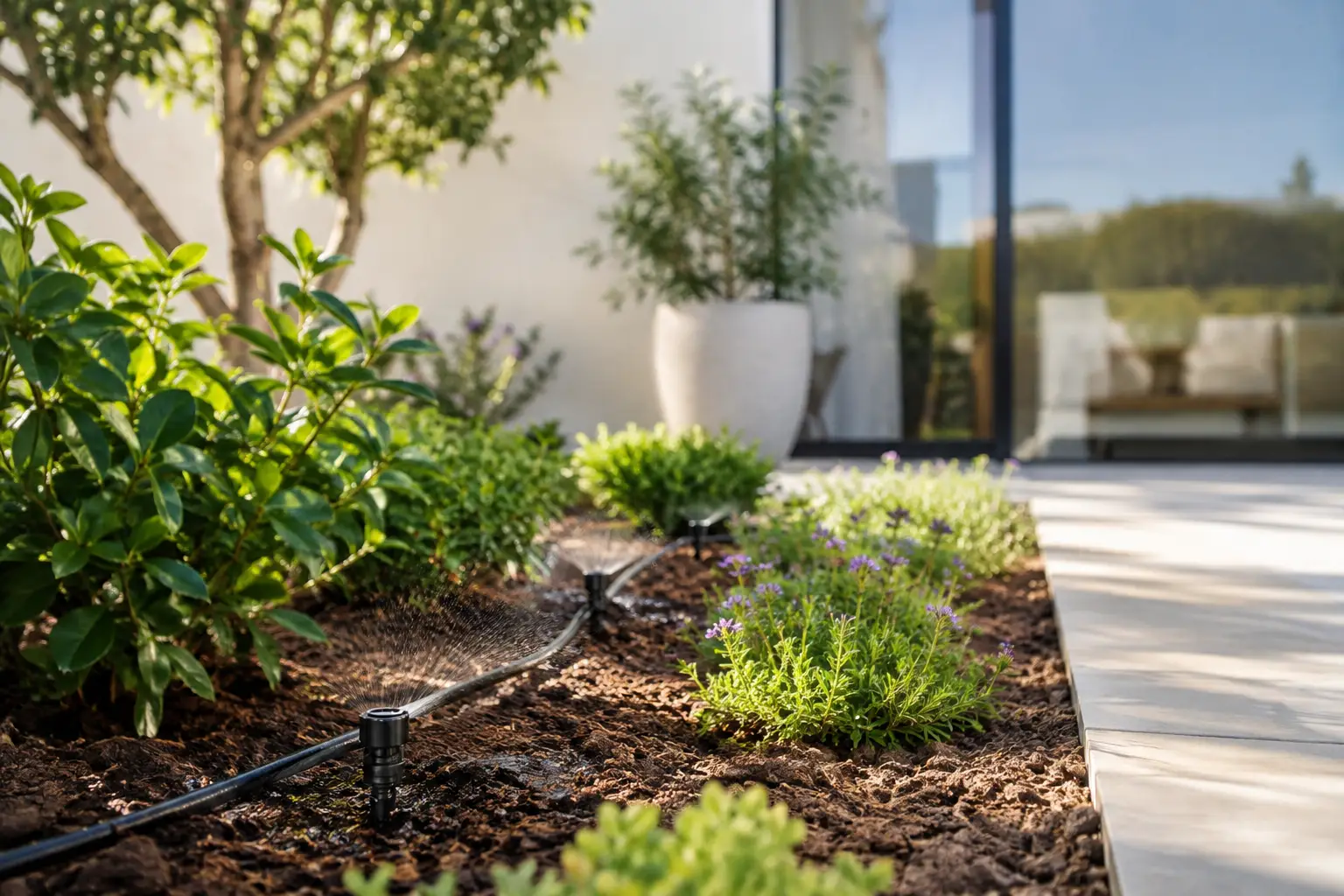
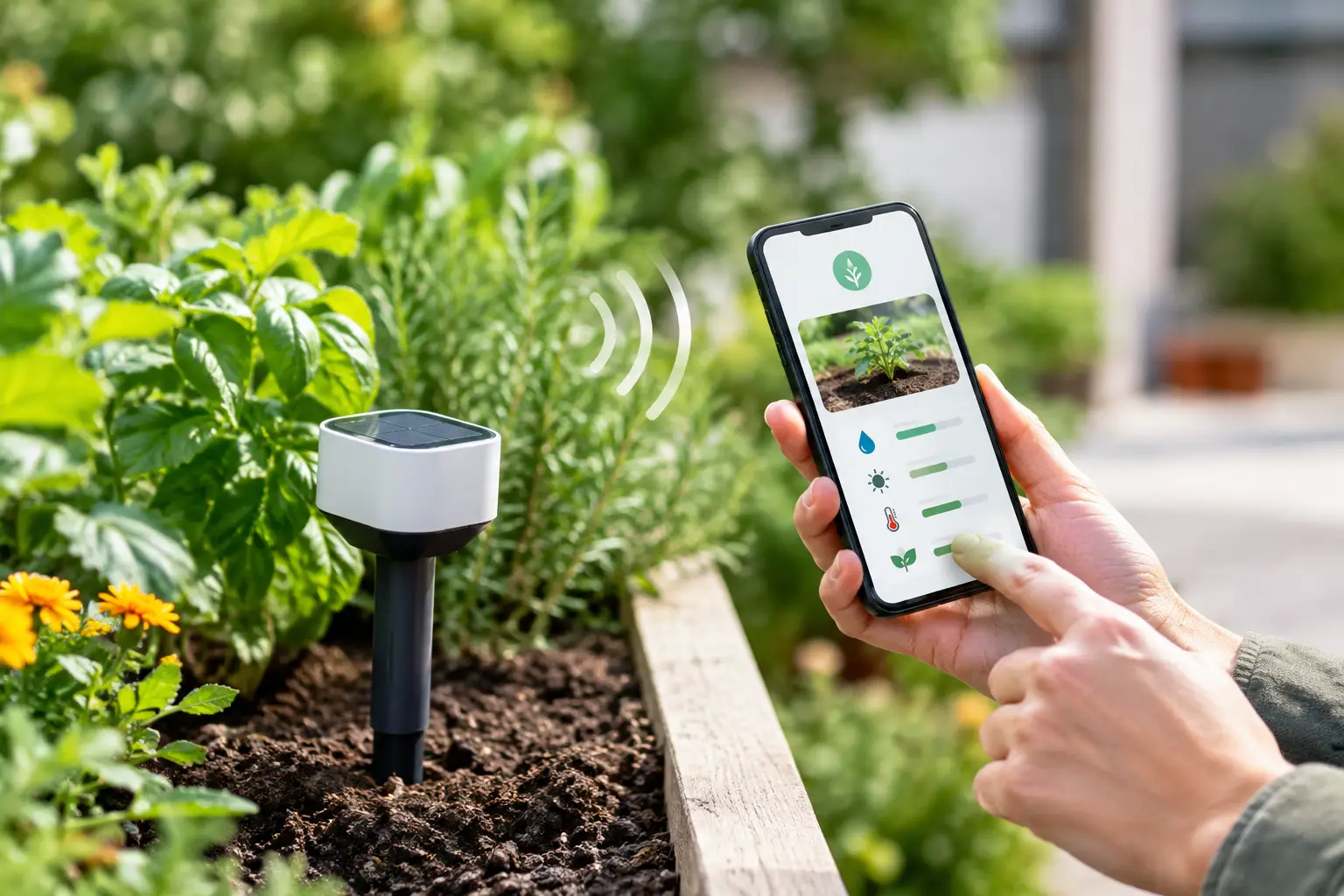
Soil-moisture sensors provide the missing signal. Placed in a representative part of a zone, they show whether water has reached the roots and whether the soil is drying toward the point where action is needed. They are particularly valuable for gardens with drip irrigation, containers and raised beds, where visual checks can be misleading.
Placement matters. Do not position a sensor beside a dripper, at the edge of a bed, or in an unusually wet or dry pocket. Place it near the main root depth of the plants you want to protect. For mixed beds, choose the location of the plant with the most demanding moisture needs, or divide the bed if the difference is significant.
A reading is only as useful as its target. The right moisture range depends on the plant, potting mix or soil type, drainage and season. New gardeners may prefer guided targets based on plant identification. Experienced gardeners may want to adjust thresholds after watching how a specific garden responds over a few weeks.
Use weather as a safeguard, not a substitute
A weather-aware controller can avoid the classic timer mistake: watering after meaningful rain. It can also account for heat, wind and forecast rainfall when deciding whether to run a planned cycle. That can reduce wasted water and help prevent waterlogged roots.
Still, forecast data should not overrule real soil conditions without thought. A light shower may be enough to wet leaves and paths but not enough to penetrate a dry garden bed. In coastal areas, wind can dry plants faster than the temperature suggests. In a covered balcony, rain forecasts may have almost no bearing on the pots.
The strongest approach combines both sources. Soil moisture shows what the plants are experiencing now. Live local weather adds context and helps avoid unnecessary watering. If one signal conflicts with the other, inspect the zone and adjust the rule rather than assuming every garden behaves the same way.
Choose compatibility before committing
A controller is only useful if it works with the watering hardware and smart-home setup you intend to keep. Check whether your existing valves, hose timers, irrigation controller or soil sensors are compatible before buying anything new. Some products work only inside one brand's app, while others can operate through open standards and broader smart-home platforms.
For households using Apple Home, Google Home or Home Assistant, support for Matter can simplify the setup and reduce the number of separate systems to manage. It is worth checking which functions are exposed through your preferred platform. A device may appear in a smart-home app for basic on and off control, while advanced moisture rules remain in the manufacturer's app.
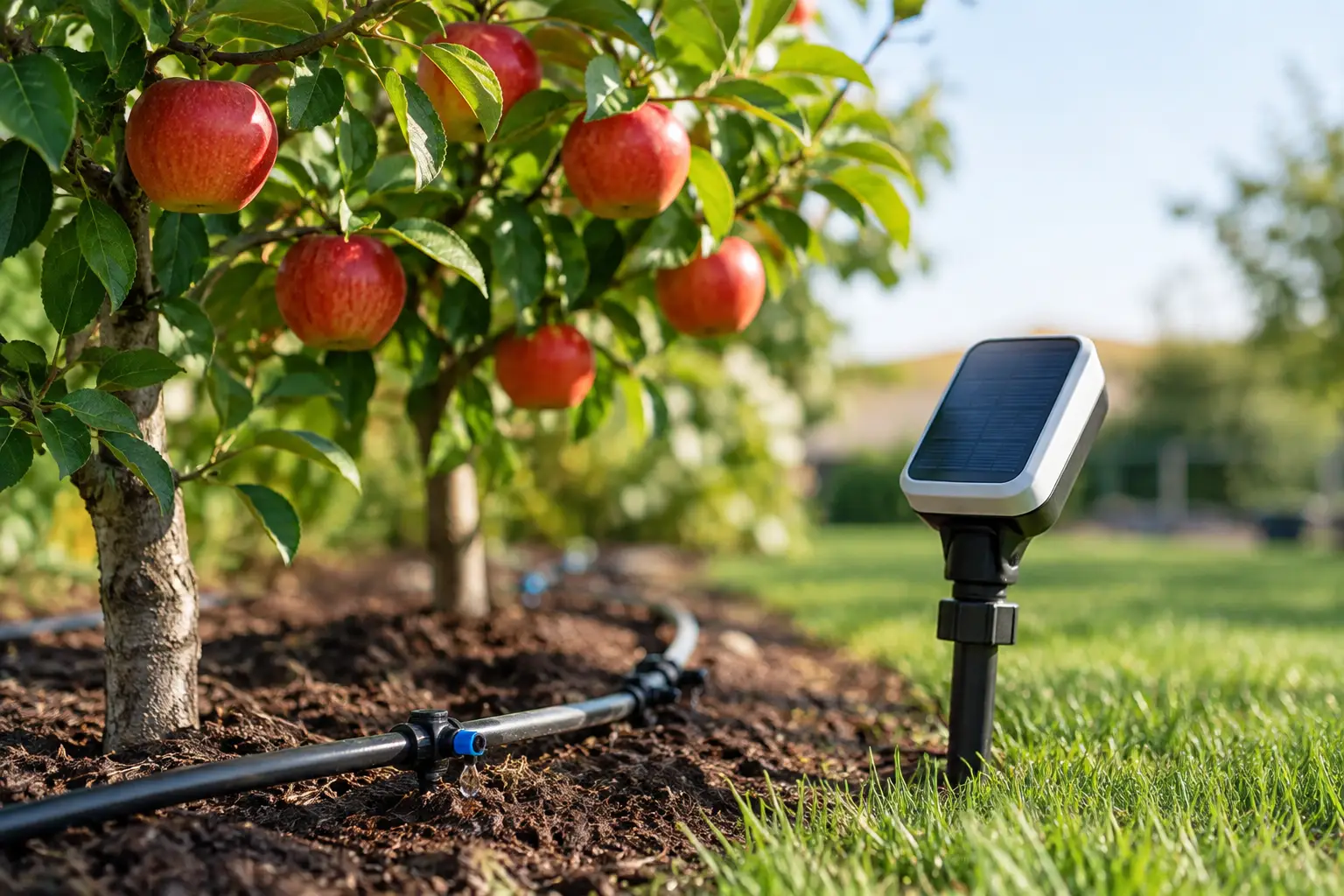
Also consider the physical setup. Outdoor devices need suitable weather protection, reliable wireless coverage and an accessible power source unless they are battery or solar powered. If your valve is at the far end of the block, test connectivity there rather than assuming the signal from the lounge room will reach it.
Avoid paying for complexity you will not use. A multi-zone controller makes sense for a larger garden with in-ground irrigation. For renters or balcony gardeners, a compatible smart hose valve and one or two sensors may be enough. The goal is one simple flow, not a dozen chores disguised as a smart garden.
Set rules that protect plants and water
A good first rule is simple: water a zone only when soil moisture drops below its lower target, and stop once it has recovered. Add a maximum run time as a safety limit, especially with drip irrigation, so a sensor fault or leak cannot keep a valve open indefinitely.
Then layer in weather conditions. Pause watering after sufficient rain, restrict cycles during high winds if sprinklers drift, and set approved watering times that suit local water restrictions. Requirements vary between councils and change during dry periods, so automation should always be configured to comply with current rules.
Schedules still have a place. They can define when watering is permitted or when you prefer it to occur, such as early morning to reduce evaporation. But the schedule should be the window for a decision, not a blind instruction to water regardless of conditions.
For new plantings, create a temporary establishment rule rather than changing the whole garden. Young plants may need more frequent watering until their roots settle. Review the rule after a few weeks, then reduce it gradually. This prevents a short-term need from becoming a permanent water habit.
Keep an eye on results, especially at first
Automation improves with observation. For the first month, check the soil after watering, look for runoff, and watch the plants themselves. Curling leaves, yellowing, slow growth and fungal issues can all point to watering problems, although they may also have other causes.
Use watering history to spot patterns. If a zone is running every day, ask whether the sensor is in the right place, the threshold is too high, or the system has a leak. If the controller rarely waters but plants look stressed, assess sensor depth, dripper coverage and the plant's actual moisture target.
This is where a garden app can be more useful than a valve app alone. Verde brings plant identification, photo-based health checks, moisture targets, garden zones, weather and valve control into one view. You can photograph a plant, set an appropriate moisture range and let compatible devices respond to the conditions that matter, without adding a hub or a subscription.
A smart irrigation controller is not about handing your garden to an algorithm and hoping for the best. It is about replacing guesswork with clear signals, then giving each part of the garden the right amount of attention. When watering follows the soil and the plants rather than an old timer, healthier growth and lower water use become the everyday result.