Soil Sensor Reviews: What Actually Matters
Soil sensor reviews can miss details that shape smarter watering. Learn how to compare accuracy, connectivity, placement and app control for your garden.
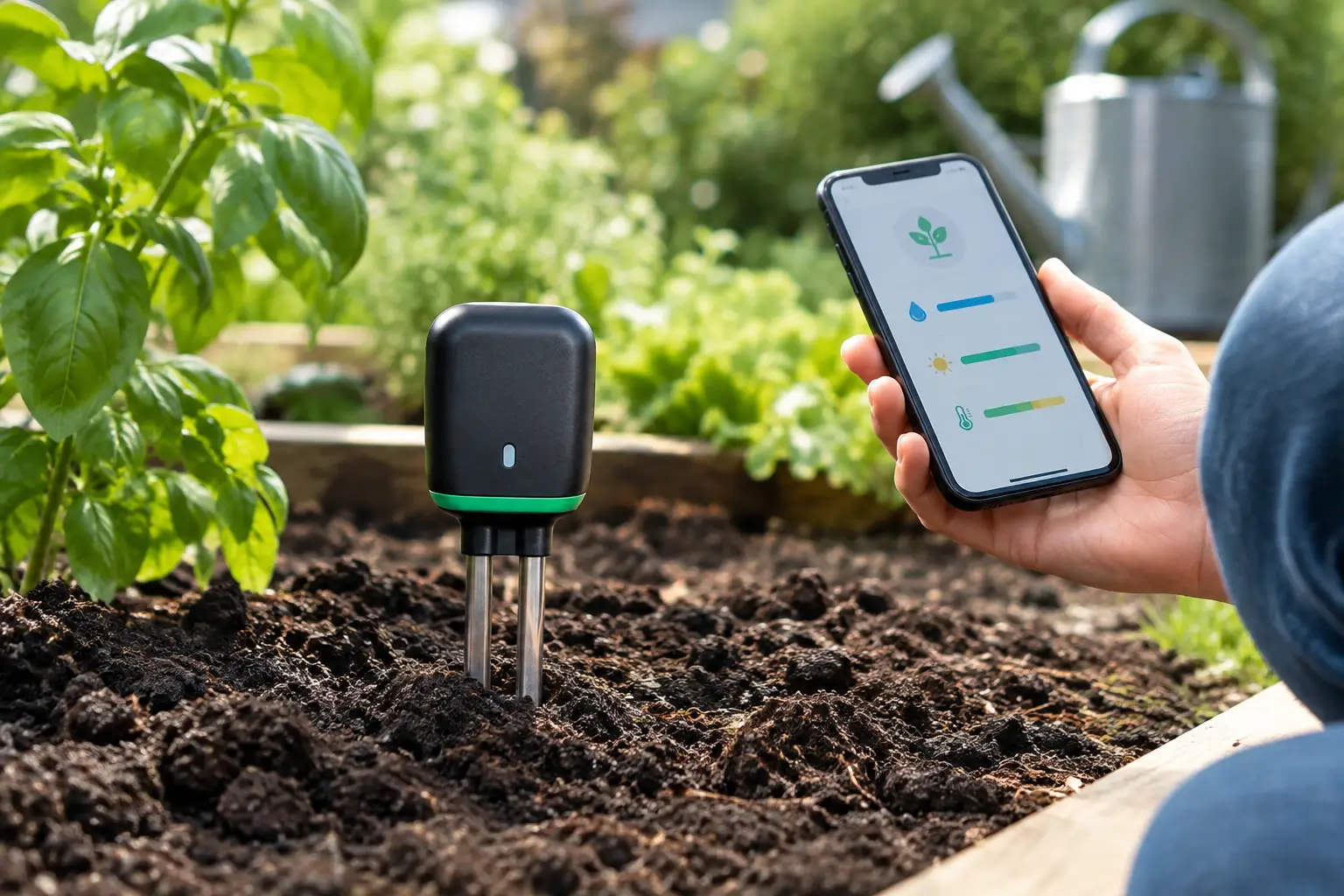
A soil sensor can look impressive on a product page, then leave you wondering why the veggie bed is dry while the app says everything is fine. That gap is why soil sensor reviews need more than a star rating and a claim about battery life. For an Australian garden dealing with hot spells, sudden rain and very different soil across one yard, the useful question is simple: will this sensor help you water the right plant at the right time?
The best choice depends on what you expect it to do. A basic sensor that gives you a moisture reading can be useful for checking pots by hand. A connected sensor that works with an irrigation system can do far more, but only if its readings, placement and automation rules make sense together.
Soil sensor reviews: look past the headline features
Most reviews focus on what is easiest to test in a day: setup, app design, signal strength and whether the number on screen changes after watering. Those details matter, but they do not tell you whether a sensor will make better watering decisions over a full season.
A soil sensor does not measure your whole garden. It measures conditions in a small area around its probe. That means a great sensor in the wrong location can still lead to poor results. A reading from shaded soil near a dripper may not represent the thirstier plants at the edge of the same bed.
When comparing reviews, give more weight to reports from gardens similar to yours. Look for long-term feedback from users with established beds, pots, lawns or irrigation zones, rather than only indoor tests in a single houseplant. The goal is not a perfect number. It is a dependable signal you can use to decide whether watering should start, stop or wait.
Moisture accuracy is useful, but context matters more
Many consumer sensors report soil moisture as a percentage. That can be helpful, but the percentage is not a universal measure of plant health. Sandy soil, clay soil, potting mix and coco coir all hold and release water differently. A reading of 35% may be ideal for one setup and too dry for another.
The more useful system lets you set a moisture target or acceptable range for each plant or garden zone. Your rosemary, hydrangeas and tomatoes should not be judged by the same threshold. Reviews that mention calibration, adjustable targets or historical readings are usually more valuable than reviews that only call a device “accurate”.
Also consider how quickly readings respond. If a sensor changes immediately after a short watering cycle but does not reflect water moving deeper into the root zone, it may encourage shallow, frequent watering. A good setup helps you observe the pattern after irrigation, then tune your thresholds and run times accordingly.
Probe design affects real-world reliability
The soil-facing part of the device deserves close attention. Metal probes can corrode over time, particularly in consistently wet soil or where fertilisers are used. Capacitive sensors are often preferred because they measure changes in the electrical properties around the probe without relying on exposed contacts in the same way.
That does not mean every capacitive sensor will suit every garden. Check the probe length and the device’s intended depth. A short probe in a large pot may only tell you what is happening near the surface. A long probe can be awkward in a shallow planter. For garden beds, position the sensing area where active roots are likely to be, rather than pushing it as deep as possible.
Build quality matters outdoors too. Reviews should mention rain exposure, UV resistance, sealing around the battery compartment and whether the device has survived more than one summer. A sensor that works beautifully on a bench is not automatically ready for a western-facing garden bed in January.
Connectivity should suit your garden, not just your lounge room
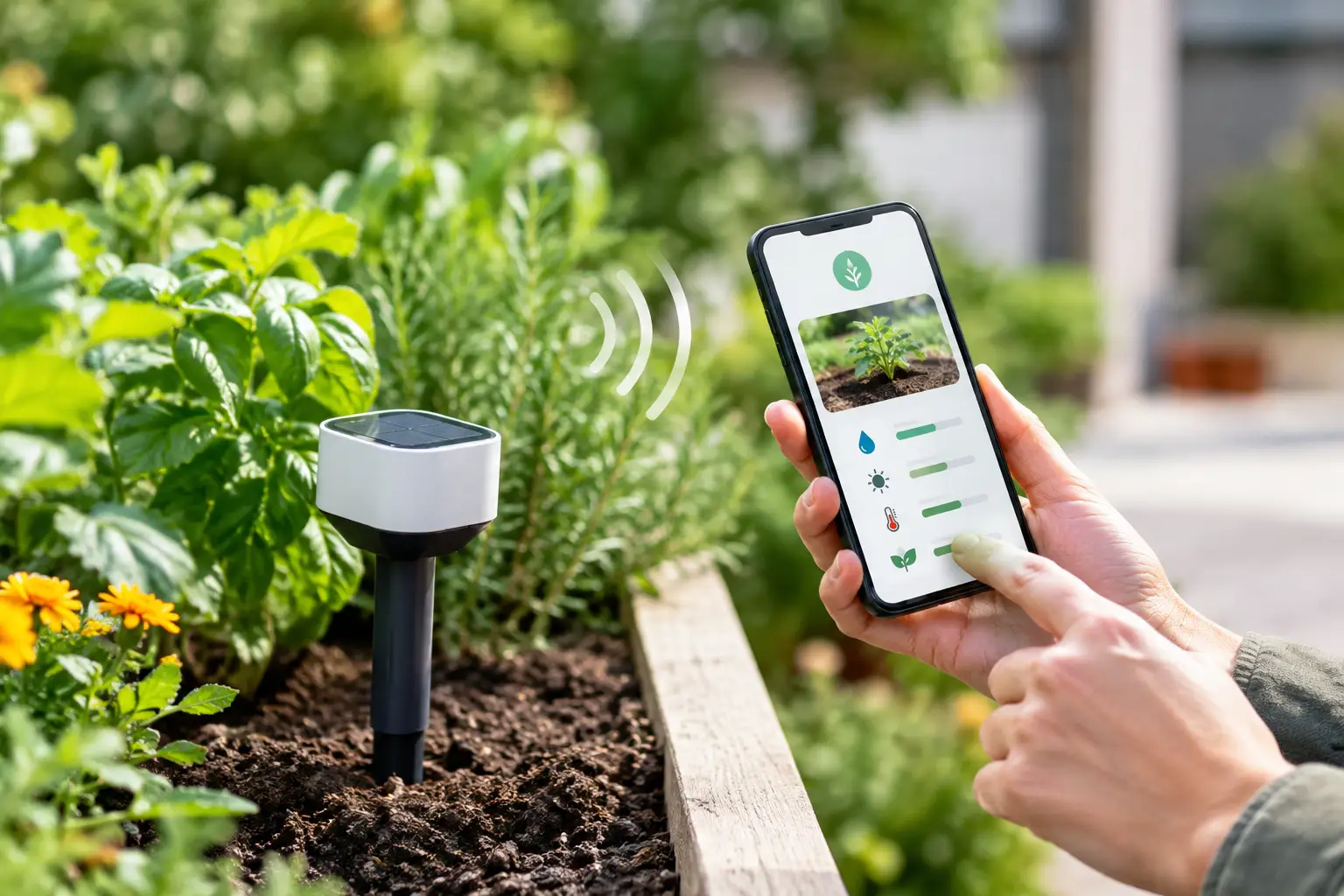
A wireless sensor is only smart when it stays connected where it is installed. Brick walls, metal sheds, distance from the house and dense planting can all affect the signal. Before buying, consider where the sensor will live and where its bridge, router or smart-home controller sits.
Bluetooth sensors can be simple and energy-efficient, but some need your mobile to be nearby before data updates. Wi-Fi can offer direct access, although it may use more power and struggle at the far end of the block. Matter-native devices are designed to work across compatible smart-home ecosystems, which can reduce the need to commit to a single app or brand.
There is no one best protocol. For a few pots near the back door, a simple Bluetooth device may be enough. For multiple zones that need automatic irrigation decisions, choose a sensor and control platform that can reliably share readings with your smart valves. A moisture graph is interesting. A moisture graph that can prevent an unnecessary watering cycle is genuinely useful.
Battery, solar and update frequency are connected
Long battery life sounds ideal, but it often comes with less frequent updates. That may be perfectly fine for a stable indoor plant, but less helpful when a shallow planter dries rapidly during a hot northerly wind.
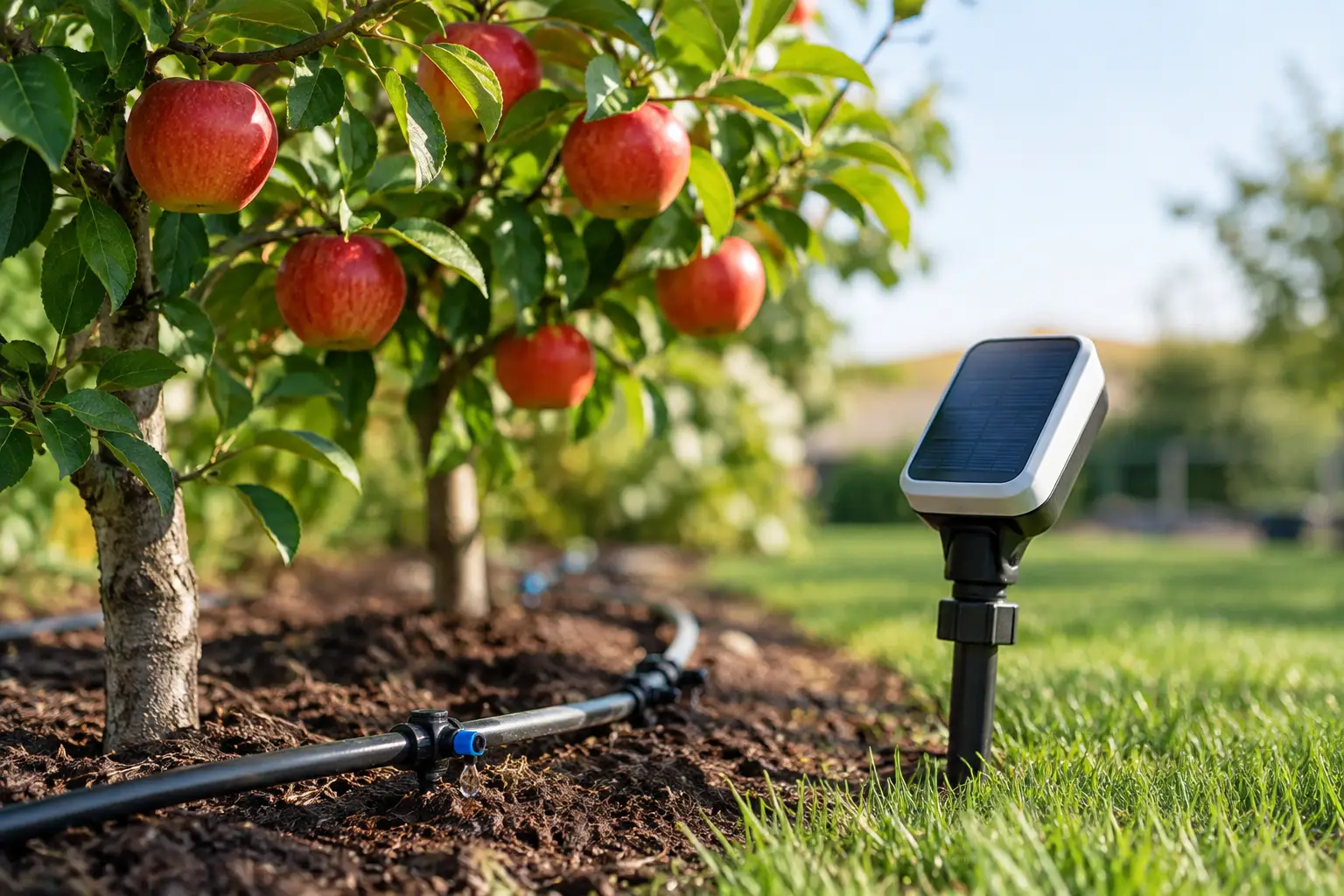
Check how often the device measures, how often it reports data, and whether those settings can be adjusted. Solar-powered sensors can reduce maintenance, provided their panel receives enough usable light and does not become shaded by the very plants it monitors. Replaceable batteries are practical too, especially when the app clearly warns you before the sensor drops offline.
Make sure the sensor can lead to action
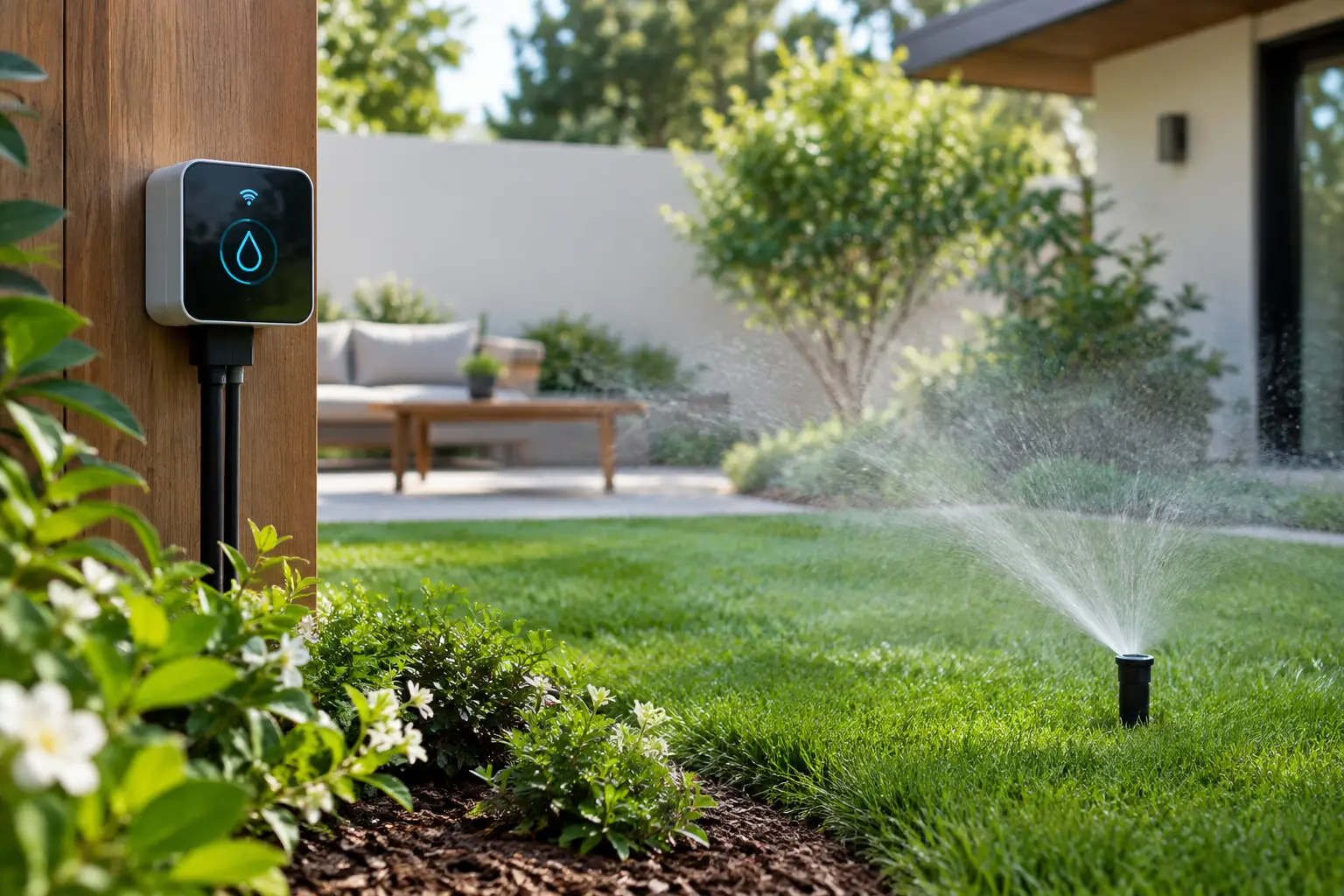
The biggest difference between a gadget and a garden-management tool is what happens after the reading arrives. Some products only display moisture. Others send an alert. The most useful systems can use that live reading alongside weather and your chosen plant targets to control irrigation.
This is where compatibility needs careful reading. Check whether the sensor works directly with the valve or irrigation controller you own, whether it needs a separate hub, and whether key automation features sit behind a subscription. A low upfront price can become less appealing if you need extra hardware for every part of the garden.
For gardeners already using Apple Home, Google Home, Matter or Home Assistant, interoperability gives you more choice. It also helps avoid rebuilding your garden setup each time you change a controller. Verde is built around this practical approach: use actual soil conditions, plant moisture targets and compatible smart valves in one flow, without requiring a hub or ongoing subscription.
One sensor per zone is not always enough
It is tempting to install one sensor in each irrigation zone and call it done. That works only when the zone has similar plants, similar soil and similar sun exposure. Many suburban gardens are more mixed than that. A lawn strip, citrus tree and flowering border may share a valve even though they dry at very different rates.
Start by mapping the areas that behave differently. Pots usually need their own attention because their soil volume is limited. Raised beds can vary between the centre and edges. Areas beside paving, fences and walls often run warmer. If you cannot add more sensors immediately, place the first one with the plant that is most likely to suffer if it dries out.
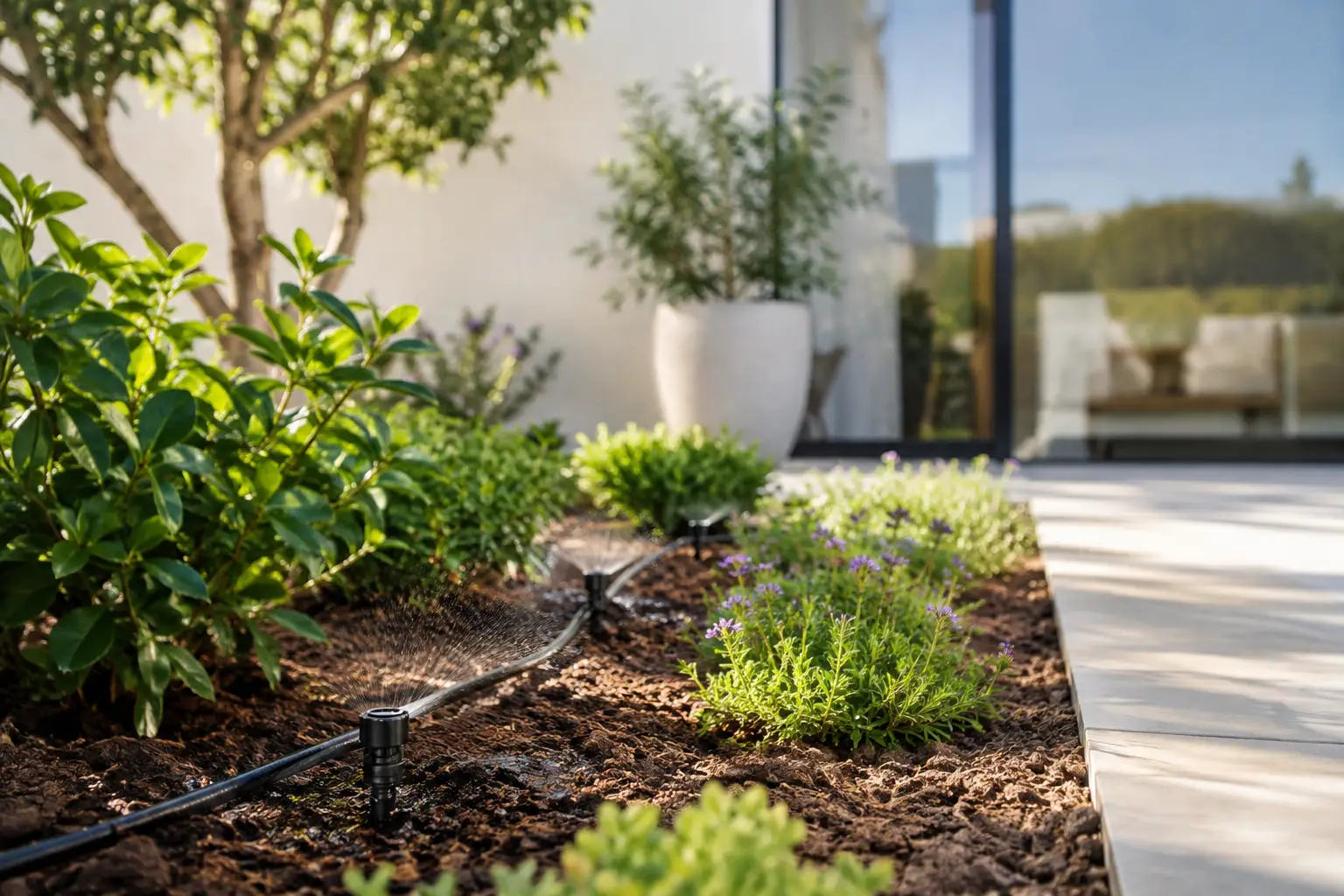
Avoid installing a sensor directly beneath a dripper or at the point where water first pools. It will report a wetter picture than the rest of the root zone. Place it a short distance from the emitter, at root depth, and secure the soil around the probe so air gaps do not distort the reading.
Give your setup time to learn
The first week of data is a starting point, not proof that your automation is perfect. Water thoroughly, observe how long the soil takes to dry, and compare the reading with what you see and feel around the plant. Wilting is not always a sign of dry soil, and wet leaves do not mean the roots have enough moisture.
Adjust thresholds gradually. If your garden is healthy but the system waters too often, lower the trigger point or shorten the watering cycle. If the root zone is drying before the next cycle, increase the threshold, improve emitter coverage or split that area into a separate zone. A sensor gives you visibility, but good results come from using that visibility to refine the plan.
The right soil sensor should make your garden feel less like a collection of chores and more like a system you can trust. Place it well, set targets that suit the plants you are growing, and let real soil conditions guide the next watering decision.