Soil Sensors Versus Timers for Smarter Gardens
Soil sensors versus timers: compare accuracy, water use and plant care to choose an irrigation setup that suits your Australian garden routine daily.
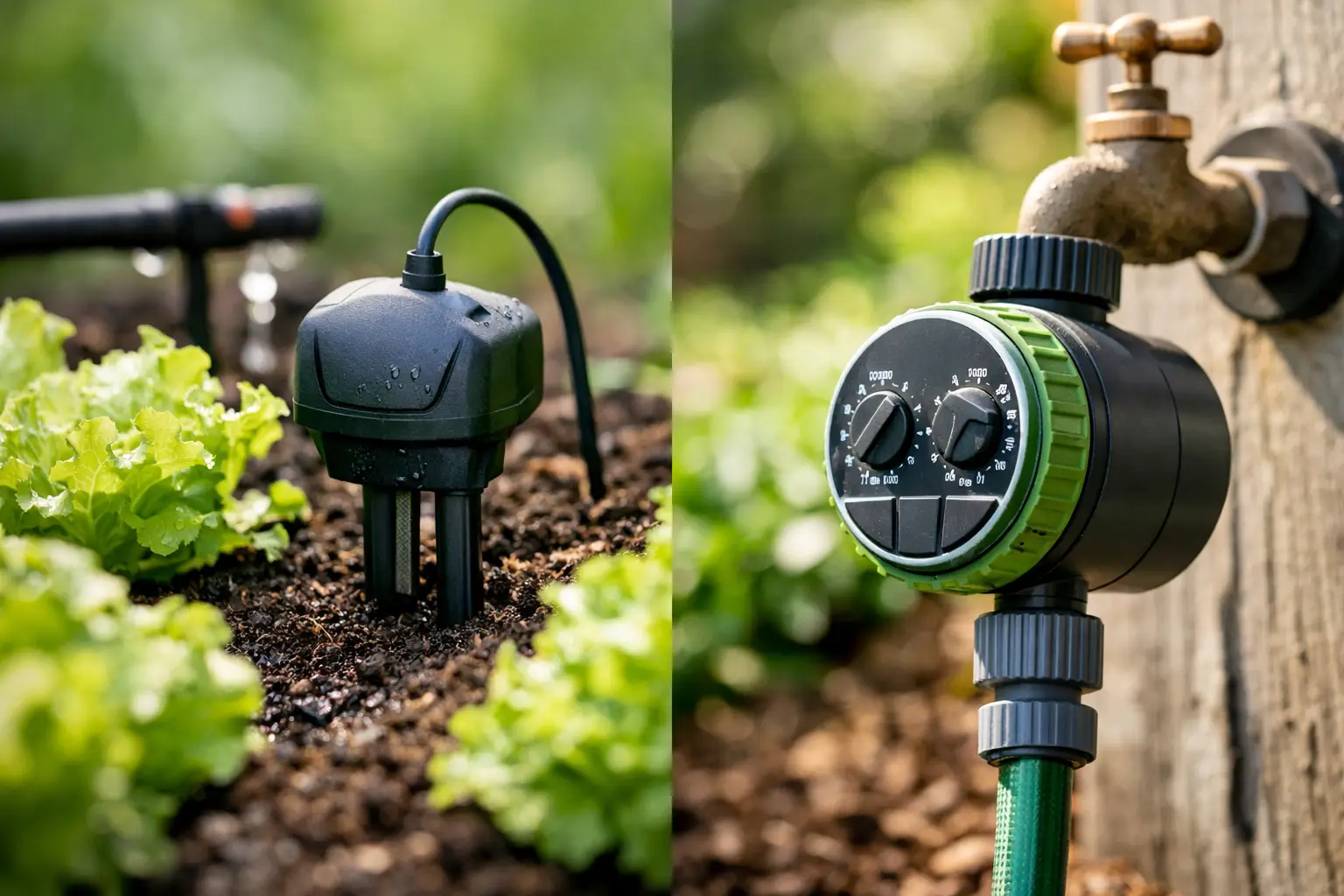
A timer can water your garden at 6 am every Tuesday. It cannot tell whether last night’s rain has already soaked the root zone, whether a hot northerly has dried a pot by lunchtime, or whether one thirsty tomato needs more than the lavender beside it. That is the practical difference in the soil sensors versus timers decision: are you automating a clock, or responding to what your plants actually need?
For a small, predictable lawn, a timer may be all you need. For mixed beds, exposed courtyards, veggie patches and growing plant collections, soil-aware watering can remove much of the guesswork. The best choice depends on your garden layout, the level of control you want and how often conditions change.
Soil sensors versus timers: the real difference
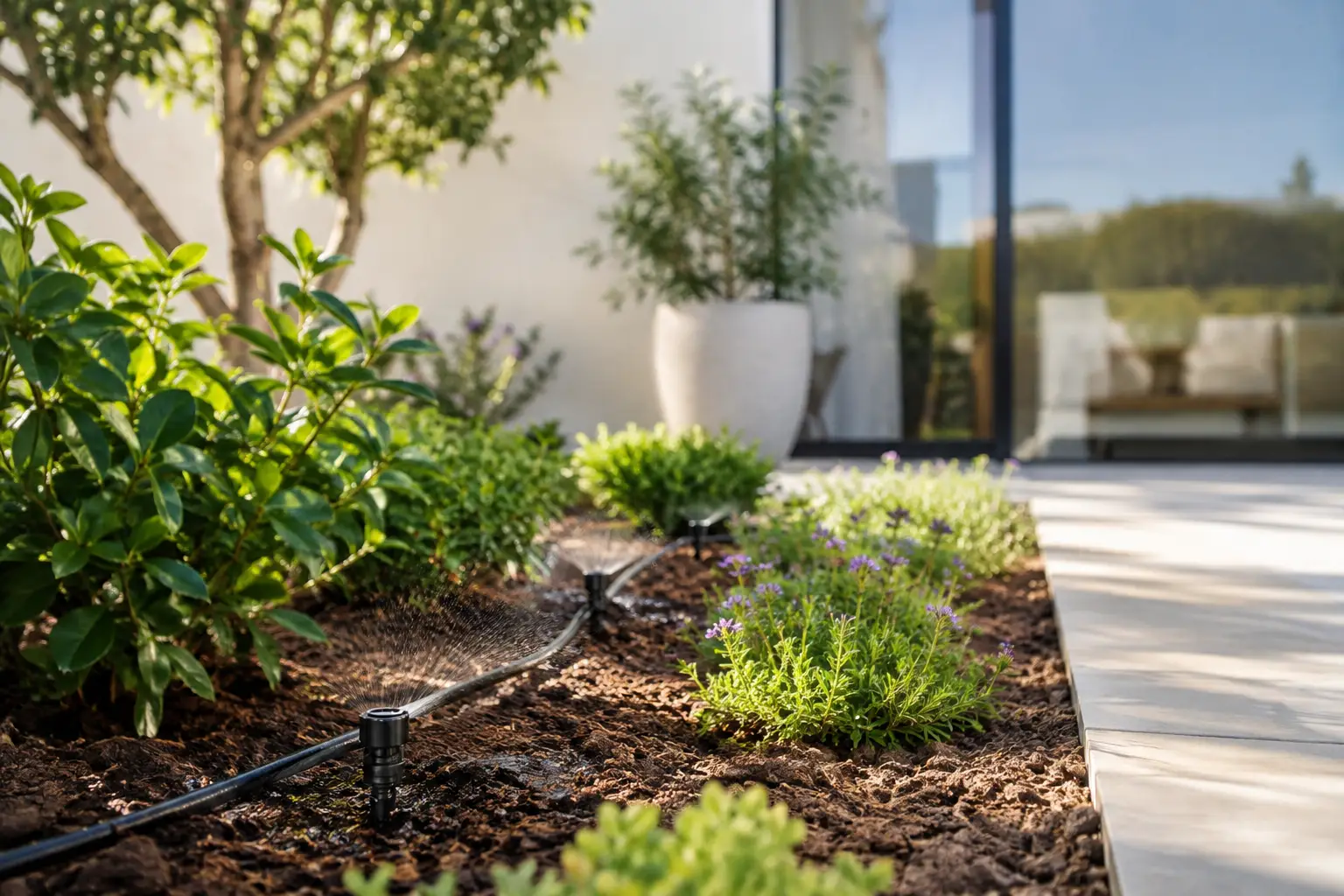
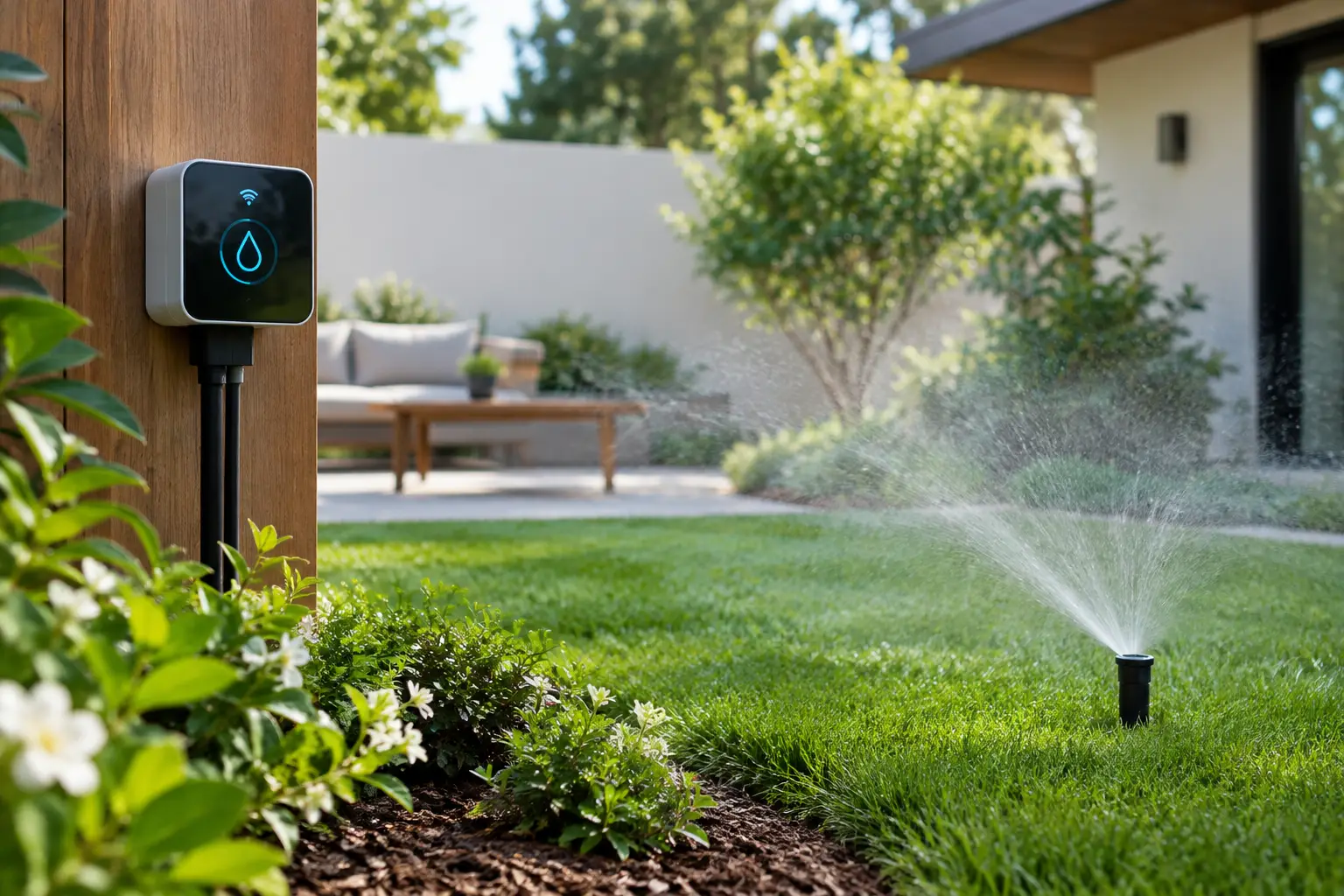
An irrigation timer works from a fixed rule. You choose the days, start time and run time, then the valve opens accordingly. This is simple, familiar and often inexpensive. It also makes the same decision whether the soil is wet, dry or somewhere in between.
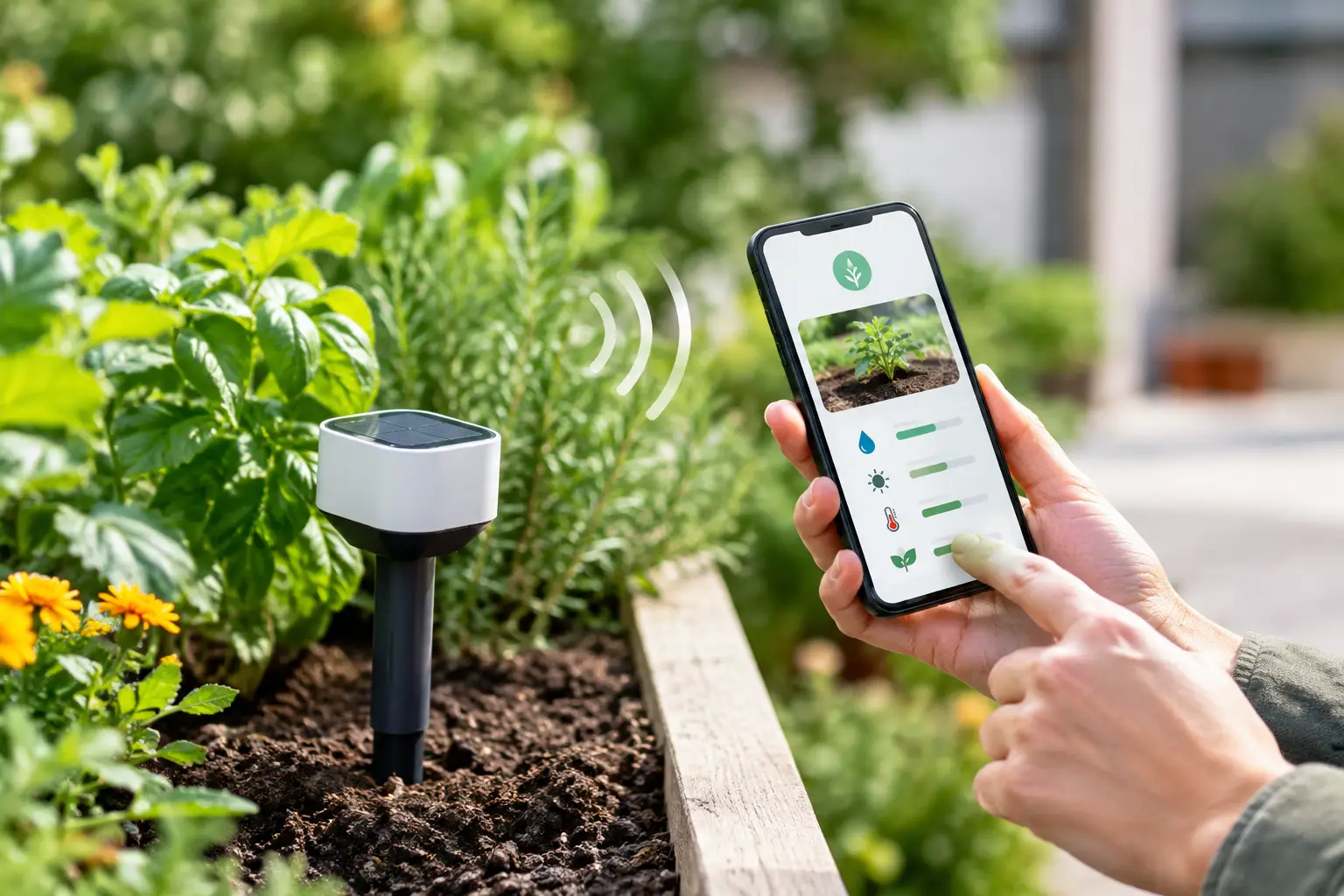
A soil sensor measures moisture in the growing medium near a plant’s roots. When paired with a compatible smart valve and automation platform, it can trigger watering only when moisture falls below a chosen target. Rather than saying, “water for 15 minutes every second day”, the rule becomes, “keep this bed within a healthy moisture range”.
That distinction matters because gardens are not static. Sandy soil drains quickly. Clay can stay wet long after the surface looks dry. Pots heat up fast, especially against a west-facing wall. A week of rain in Brisbane and a dry, windy week in Melbourne create very different watering needs, even if the calendar says it is the same month.
Timers manage time. Sensors help manage conditions.
What timers do well
Conventional timers still have a useful place. Their greatest strength is predictability. Once programmed, they run without needing sensor placement, moisture targets or a connected system. They are a sensible option for a single-purpose area with consistent irrigation, such as an established lawn on a known schedule.
They can also be helpful as a fallback. If you are away, a basic schedule ensures the garden receives some water. For gardeners who are only trying to replace manual tap-turning, that can be a meaningful improvement.
The trade-off is that a timer needs regular seasonal adjustment. A schedule that works in mild autumn weather can overwater during a wet spell or underperform in a run of 35-degree days. Many people start with good intentions, then leave the same programme running for months because changing it becomes another chore.
Weather-aware timers improve this by skipping or reducing watering when rain is expected. That is better than a fixed schedule, but it is still an estimate. Rain forecasts do not confirm how much water reached your particular garden bed, how much fell under an eave, or how quickly your soil drained afterwards.
Where soil sensors earn their place
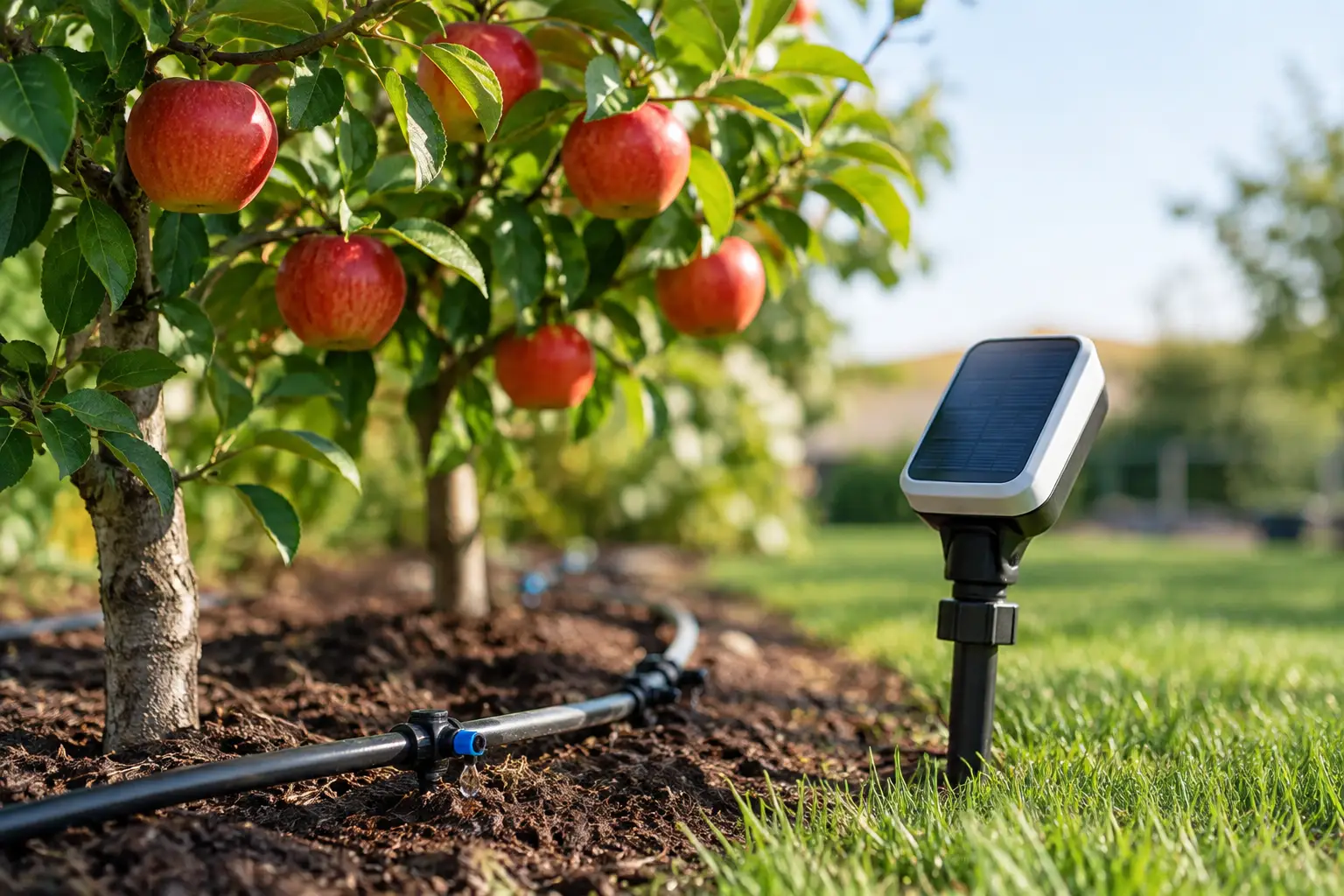
A soil sensor brings the decision closer to the plant. It measures moisture where it counts: in the root zone. This can reduce unnecessary watering after rain and catch dry conditions before plants become visibly stressed.
For vegetables, this is especially useful. Tomatoes, cucumbers and leafy greens can struggle when moisture swings between very dry and very wet. A sensor cannot replace good soil preparation, mulch or sensible planting, but it gives irrigation a more reliable trigger than a Tuesday-and-Saturday schedule.
Sensors are equally useful for pots and narrow garden strips. These spaces often behave differently from the rest of the yard. A raised planter in full sun may need water while a shaded bed only a few metres away remains damp. Treating both as one zone can lead to thirsty plants in one area and soggy roots in another.
The benefit is not simply lower water use. It is fewer avoidable plant losses and less time spent checking soil by hand. You still get control over the limits: define a plant’s preferred moisture range, decide how long a valve can run, and keep an eye on the history. The automation handles the repetitive part.
Sensors are not magic: placement and zones matter
A sensor is only as useful as its location. If it sits beside a dripper, it may report wet soil while the rest of the bed is dry. If it is placed too shallowly, it can reflect surface moisture rather than the conditions around deeper roots. If it is in the wrong plant zone, it may encourage watering for a plant with very different needs.
Place a sensor near representative plants, at an appropriate root depth and away from direct irrigation flow where possible. In a veggie bed, that usually means positioning it among the active roots rather than at the edge. In a pot, place it in the main root area without pressing it against the pot wall.
Zone design matters just as much. One valve should ideally serve plants with similar moisture needs. Grouping citrus, herbs and drought-tolerant natives on the same irrigation line makes it harder for any system to water well, whether it uses a timer or a sensor. A clever controller cannot fully solve a garden that asks one zone to meet conflicting needs.
There is also a practical limit: one sensor does not describe every corner of a large, varied bed. Larger zones may need more than one measurement point, or a conservative approach that uses a sensor as a guide alongside sensible run-time limits.
The cost and complexity question
Timers are usually cheaper to buy and faster to set up. That matters if you have one tap, one irrigation zone and straightforward needs. A sensor-based system adds hardware, compatible valves and a little initial configuration. You need to set moisture targets, test the automation and occasionally check batteries or connectivity.
But complexity should not mean a pile of separate apps and proprietary hubs. The useful version of smart gardening is one simple flow: identify the plant, understand its moisture preference, monitor the soil, and control the right valve. A platform such as Verde can bring those steps together while working with compatible smart valves and sensors in an existing Apple Home, Matter, Google Home or Home Assistant setup.
For many households, the long-term value is less about gadgetry and more about avoiding waste. Watering only when a zone needs it can save water, particularly through variable Australian summers. It can also prevent the quieter cost of replacing stressed plants, rebuilding a failed veggie patch or spending each weekend manually correcting the previous week’s schedule.
A practical way to choose
Choose a timer if your garden is small, uniform and easy to observe, or if you want reliable scheduled watering with the lowest upfront cost. Use a weather-aware schedule if your main issue is avoiding obvious rain-day watering and you are comfortable reviewing settings as seasons change.
Choose soil sensors if your garden has mixed microclimates, containers, productive beds or plants that repeatedly suffer from overwatering or drying out. They are also a strong fit when your routine is busy, you travel often, or you want evidence before opening a valve.
A hybrid approach is often the most sensible. Use moisture thresholds as the main trigger, weather data as a safeguard, and maximum run times to prevent a fault or unusual reading from watering indefinitely. Keep a conservative backup schedule only where plant survival depends on it. This gives you automation without handing over every decision blindly.
Set targets for plants, not just irrigation zones
The biggest shift is to think in terms of plant needs rather than irrigation equipment. A valve is only the delivery mechanism. The useful question is not, “What should this tap do on Thursday?” It is, “What moisture level helps these plants stay healthy this week?”
Start with one problem area: the sunny pots that dry out too quickly, the herb bed that gets forgotten, or the lawn corner that always turns boggy after rain. Monitor it, set a realistic target and observe the results for a few weeks. You will quickly see whether the soil holds moisture longer than expected or whether the zone needs shorter, more frequent watering.
Your garden does not need more rules to thrive. It needs better signals. When watering responds to the soil beneath each plant, the system can work quietly in the background while you spend your time enjoying the garden instead of second-guessing it.