Valve Control That Waters to Plant Needs
Valve control lets your garden water when soil needs it, not when a timer says so. Set moisture targets, save water and keep plants healthier year-round.
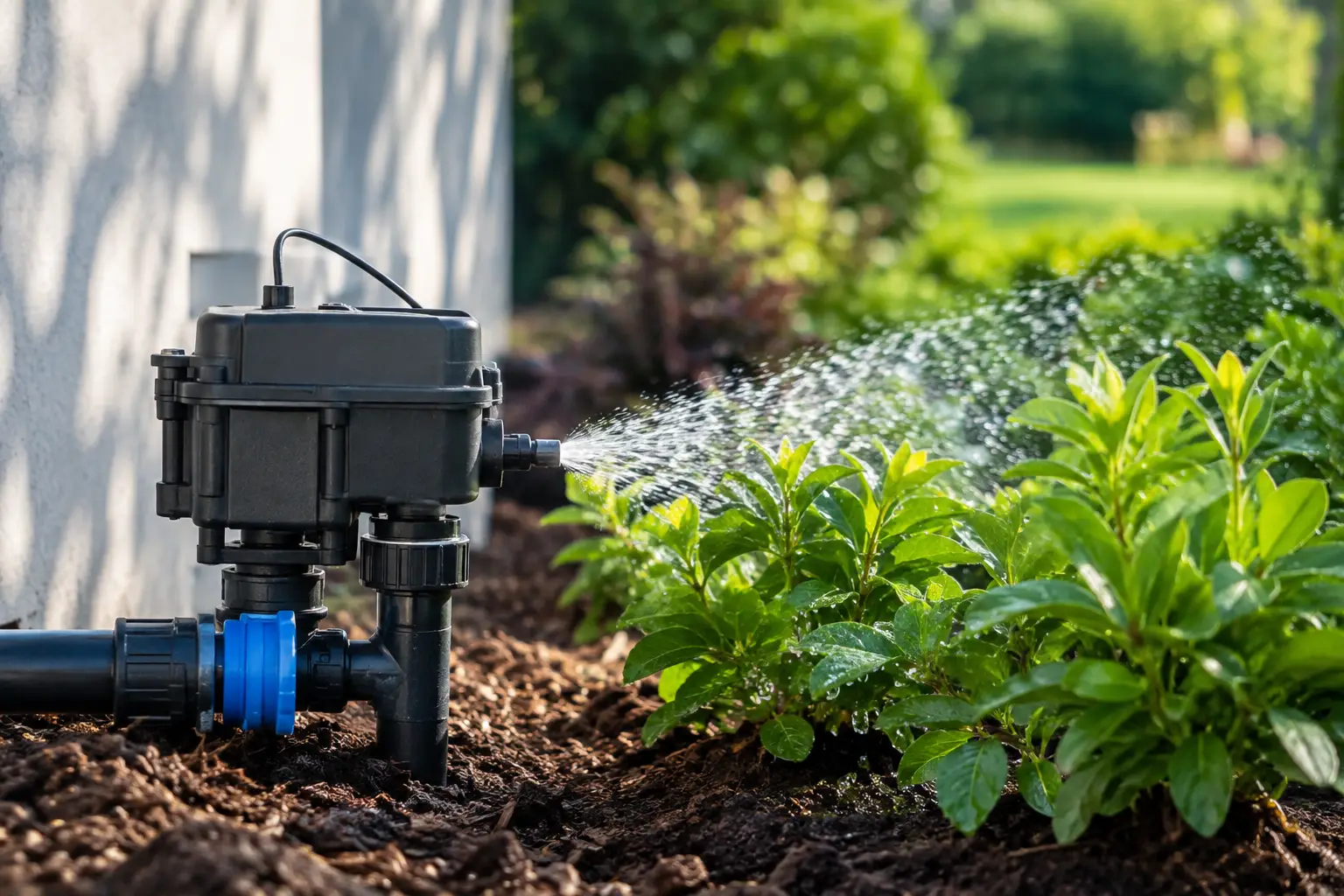
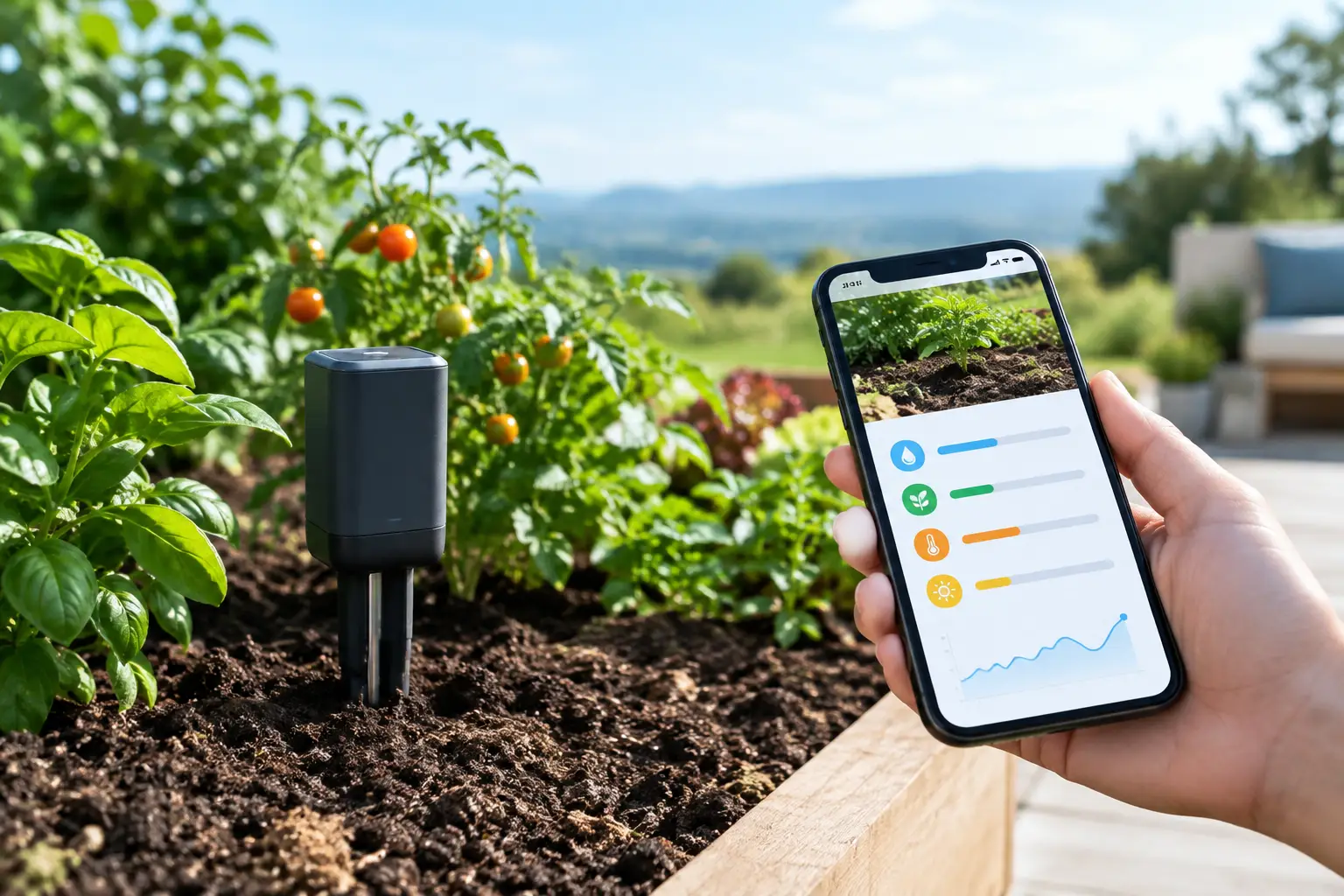
A hot northerly can dry out a raised veggie bed before dinner, while the shaded side garden stays damp for days. A fixed irrigation timer treats both areas the same. Smart valve control gives each zone a better decision: open the water only when its soil is below the moisture level your plants need, then stop when the target is met.
That shift matters in Australian gardens. Weather can change quickly, soil types vary across one backyard, and a lemon tree, lawn and newly planted natives do not have the same watering needs. The goal is not to water more often. It is to deliver enough water, at the right time, without turning garden care into another daily chore.
What valve control actually does
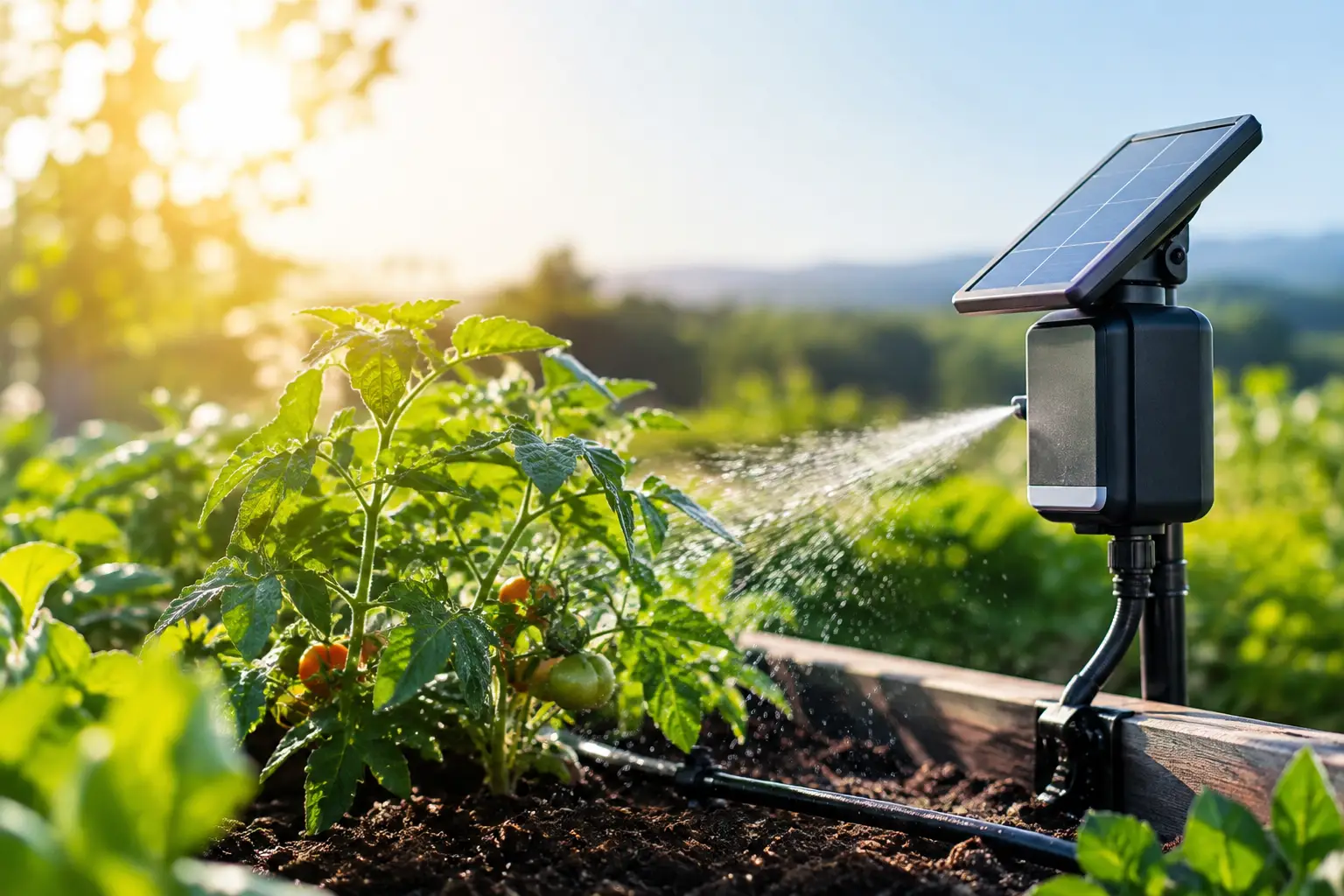
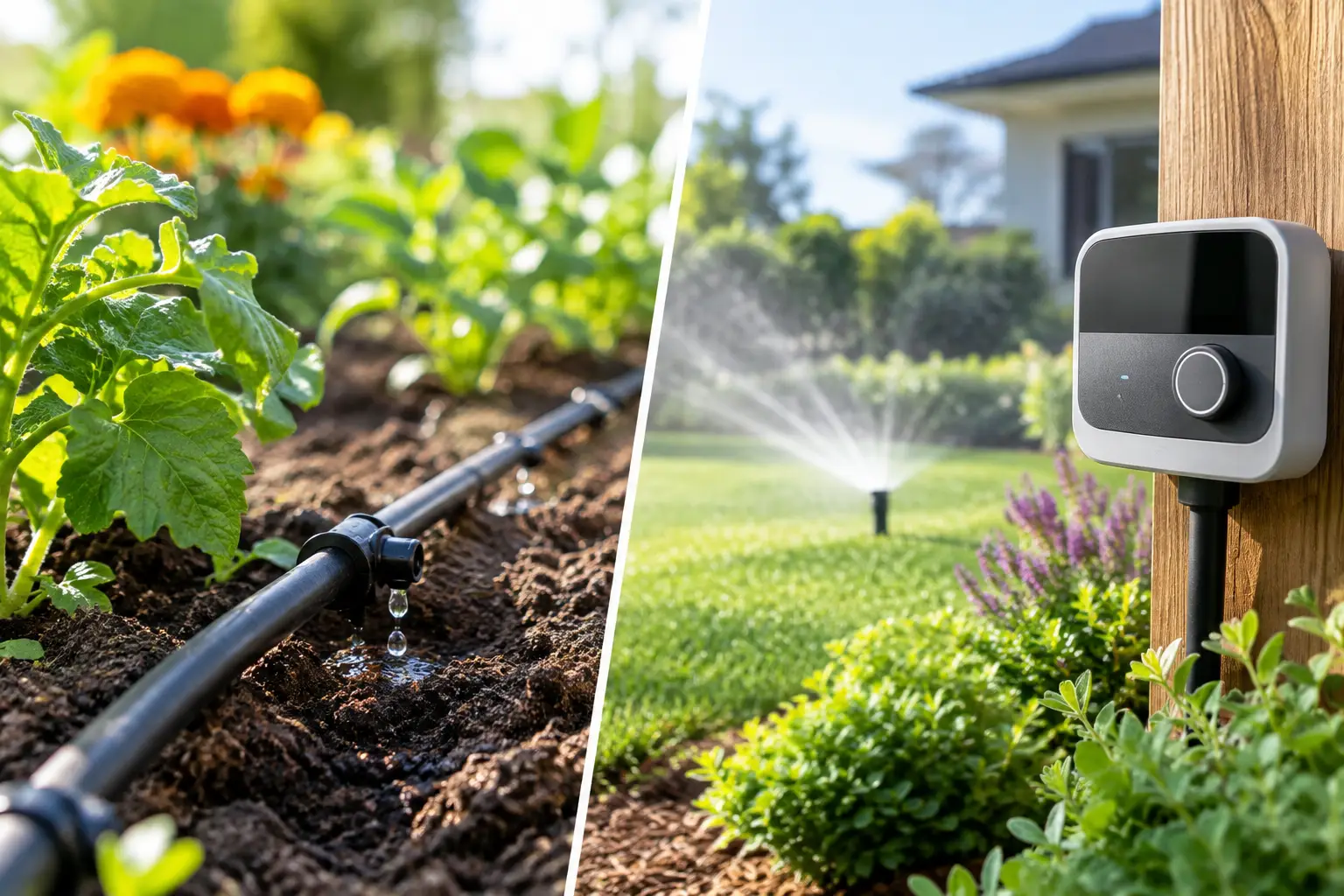
A garden valve is the on-off gate between your water supply and an irrigation zone. When it opens, water runs through the connected dripline, sprinklers or soaker hose. When it closes, watering stops. Traditional controllers open that gate according to a clock. Smart valve control can use schedules, local weather, soil readings and plant-specific rules to decide whether opening the valve makes sense.
The practical difference is simple. A timer might run every Monday, Wednesday and Friday for 15 minutes, even after a decent downpour. A smarter setup can see that the soil is already within range and skip the cycle. When a warm, dry spell pulls moisture below the target, it can run the relevant zone instead.
This is not about handing every decision to automation. Good valve control keeps you in charge of the rules: which valve serves which garden area, the moisture target for that area, the maximum run time, and the hours when watering is allowed. Automation handles the repetitive checking and switching.
Why fixed schedules fall short
Schedules still have a place. They are predictable, easy to understand and useful where no soil sensor is installed. But a schedule is a plan made in advance, while soil moisture is the condition your plants are experiencing now.
A 10-minute sprinkler cycle can be too much for clay soil after rain and too little for a sandy bed after a run of dry, windy days. Shade, mulch, pot size, plant maturity and irrigation flow all change the result. Even two beds only a few metres apart may need different treatment.
This is why moisture-aware valve control is especially useful for mixed gardens. You can group plants that share similar conditions, set an appropriate target for the zone, and let the valve respond to real readings rather than a blanket rule. A fern-heavy courtyard can stay consistently moist without forcing the same watering pattern onto drought-tolerant plants nearby.
There are trade-offs. A soil sensor should be positioned in representative soil, not beside a dripper or in an unusually dry corner. One sensor cannot perfectly describe every plant in a large, varied zone. If a zone contains plants with sharply different needs, the better answer may be to split it into separate irrigation zones over time.
Set up valve control around your garden
Start with the layout you already have. There is no need to redesign the whole yard before getting useful automation. Identify what each existing valve waters and give that zone a clear name in your app, such as “Front lawn”, “Veggie beds” or “West fence pots”. Clear naming makes manual control, troubleshooting and seasonal adjustments much easier.
Next, decide what success looks like for each zone. For a lawn, that may be preventing prolonged dry stress. For tomatoes, it may mean keeping moisture steadier while fruit is developing. For established native shrubs, it may mean watering less often but deeply when the soil has genuinely dried.
Then set the boundaries that keep automation sensible:
- a moisture range or lower threshold that can trigger watering
- a maximum valve run time for each event
- permitted watering hours, such as early morning
- a rain or weather rule that postpones unnecessary watering
Maximum run time is worth treating as a safety setting, not an afterthought. It limits the impact of an incorrect reading, a failed sensor or an irrigation issue. If your dripline needs a longer soak, build that into the zone design and run plan rather than leaving a valve open without a clear limit.
A schedule can work alongside moisture control. For example, you may allow the veggie bed valve to check conditions at 6 am each day, but only water if the sensor is below the set threshold. This combines the predictability of a preferred watering window with the restraint of soil-based decisions.
Use weather as context, not guesswork
Weather-aware irrigation is most useful when it supports what the soil is telling you. Forecast rain may justify delaying a planned watering event, especially for plants that can comfortably wait. A heatwave forecast may justify checking sensitive pots more often. But forecasts are not a substitute for conditions on the ground.
Rainfall can miss one side of a suburb. Dense foliage and eaves can keep soil dry even when the weather station records rain. On the other hand, a moisture sensor placed too close to irrigation can suggest the zone is wetter than it really is. The best result comes from combining local weather with carefully placed sensor readings and a little observation during setup.
Give a new automation a few cycles before assuming it is perfect. Check the soil below the surface after watering, look for pooling or runoff, and confirm that water reaches the root zone rather than just wetting mulch. If the zone consistently needs more or less water, adjust the threshold, run time or sensor position one variable at a time.
Valve control for pots, beds and lawns
Pots benefit from close attention because they dry faster and have limited soil volume. If several pots share a dripline, group plants with similar moisture needs rather than pairing thirsty herbs with succulents. A sensor in a representative pot can provide a useful guide, but hand-checking during extreme heat is still wise.
Veggie beds often reward stable moisture. Big swings between very dry and very wet soil can affect growth and make watering harder to manage. Drip irrigation paired with a moisture target lets the valve respond before plants are visibly stressed, while reducing water lost to evaporation and overspray.
Lawns are different again. A deep, less frequent watering pattern is often more useful than frequent shallow cycles, but soil type, grass variety and local water restrictions all matter. Set your valve rules around permitted days and times, then use soil conditions to avoid running a cycle that the lawn does not need.
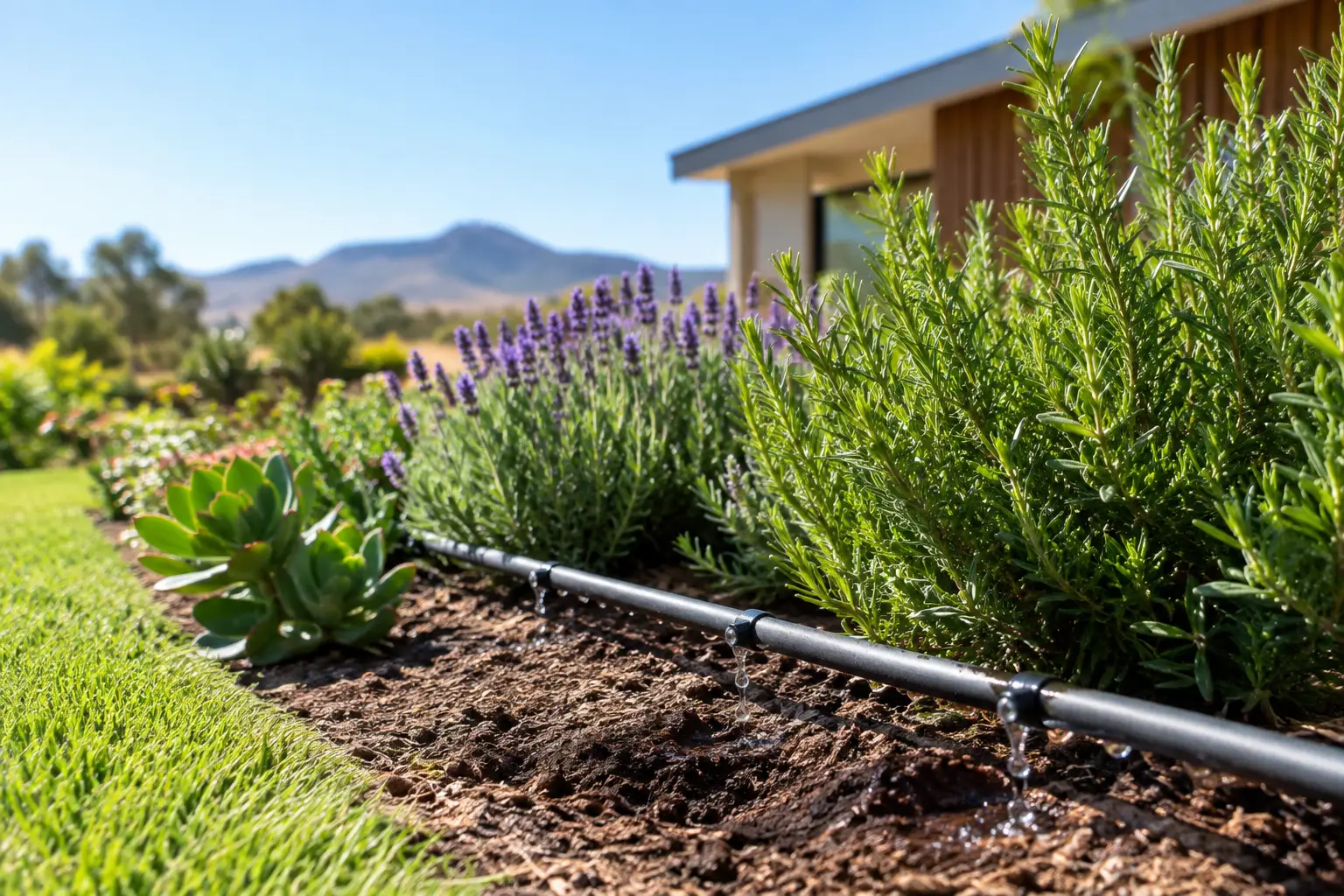
For established trees and shrubs, resist the temptation to apply the same frequent pattern used for shallow-rooted annuals. Their roots may be deeper, and their irrigation zone may need slower, longer watering when genuinely dry. Separate zones give you more useful control than trying to solve every need with one valve.
Keep manual control within reach
Automation should make your garden easier to manage, not harder to intervene in. There will be times when you want to run a valve manually: after planting, while testing a new dripper line, or when a week of unusual weather has changed the plan. A good system shows the current valve state, the last watering event and the reason a scheduled run was skipped or started.
Visibility also helps catch problems early. If a zone is using far more water than usual, inspect for a broken sprinkler, leaking fitting or displaced dripper. If a valve runs but the soil reading barely changes, check the sensor placement and whether water is reaching that part of the bed. Automation cannot repair irrigation hardware, but it can make unusual patterns easier to notice.
Verde brings these decisions into one app: plant records and moisture targets alongside compatible smart valves, soil sensors, weather-aware rules and garden zones. It works without a hub or subscription, while fitting into setups that use Matter, Apple Home, Google Home or Home Assistant.
The best valve control is quiet. Your garden gets water when it needs it, you can see and change the rules whenever you want, and the daily question of “did I remember to water?” fades into the background. Start with one zone, watch how it behaves through a few weather changes, and let the garden show you what a better watering routine looks like.