Your Watering Restriction Questions Answered
Clear answers to watering restriction questions for Australian gardens, from checking rules to keeping plants healthy with less water and better timing.
A brown patch in the lawn is frustrating. A fine for using the wrong watering method is worse. Most watering restriction questions come down to one practical problem: how do you keep a mixed Australian garden alive without guessing what the rules allow?
The answer is rarely a single watering day or a universal number of minutes. Restrictions vary between water authorities, councils, supply sources and restriction stages. Your garden also has competing needs: a citrus tree, a raised vegie bed, native shrubs and buffalo grass should not all receive the same drink just because they share a timer.
Start with the rules for your exact address
Water restrictions are set locally, so advice from a mate in another suburb may not apply to your property. Check the current guidance from your water provider before changing a schedule. Look for the restriction stage, permitted days and times, approved watering methods, and any rules for newly planted gardens.
Many restrictions distinguish between hand watering, drip irrigation, sprinklers and automated systems. They may also set conditions around rain sensors, watering onto hard surfaces, runoff and leaving a hose unattended. Some areas permit certain efficient systems outside the hours allowed for sprinklers; others do not. The detail matters.
If you use tank water, bore water or recycled water, do not assume restrictions never apply. Rules can differ depending on whether the system is connected to potable supply, where overflow goes and local water-quality requirements. Confirm the source-specific rules rather than relying on a general exemption.
Watering restriction questions gardeners ask most
Can I use an automatic irrigation system?
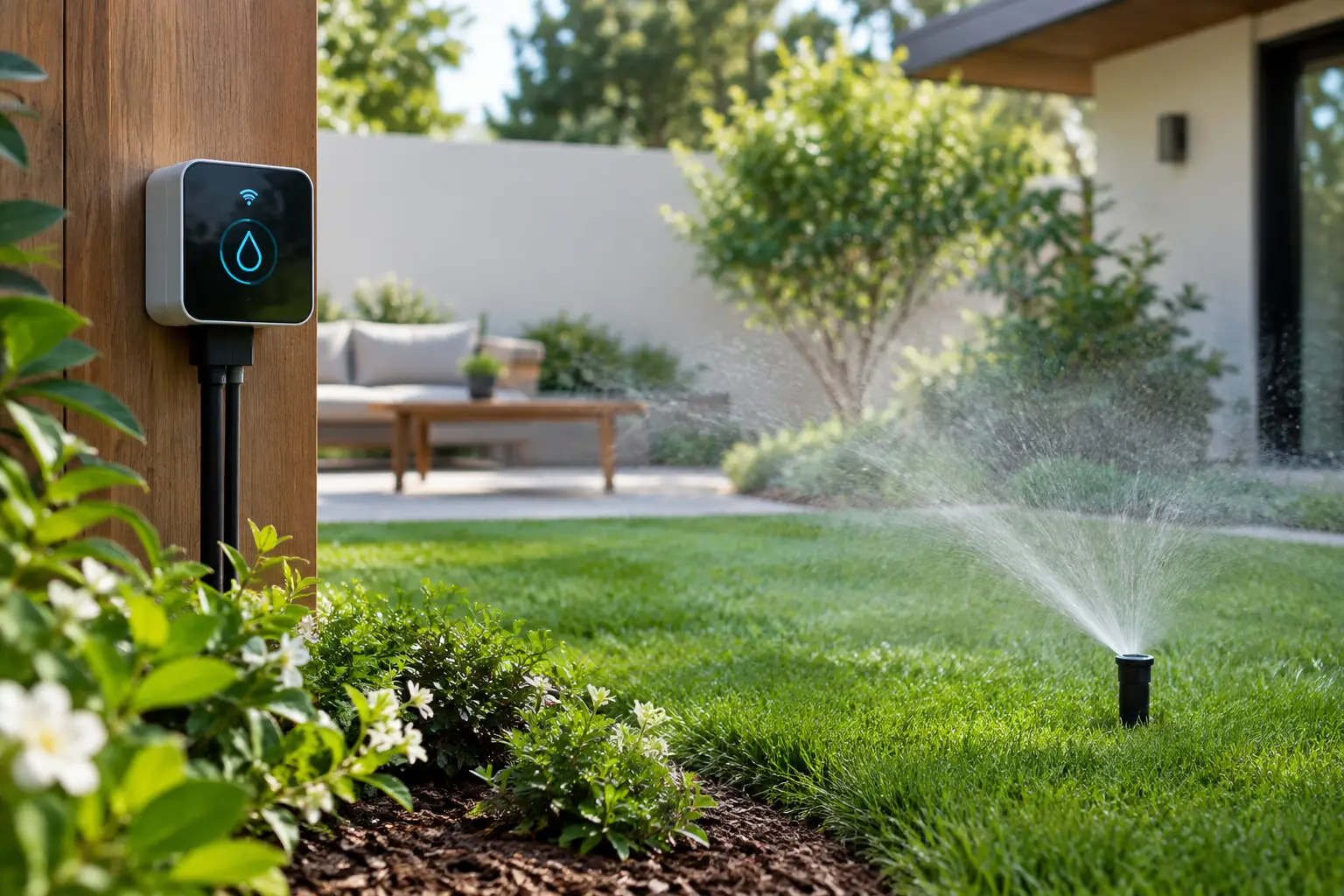
Often, yes, but only when it operates within the local rules. A basic timer is not automatically water-efficient simply because it is automatic. If it runs after rain, waters a saturated bed or sends spray over the footpath, it can still waste water and breach conditions.
The useful approach is to make automation responsive. Use soil moisture as the decision point, then apply the permitted days and hours as a boundary around it. A valve should open because the root zone is genuinely dry, not because Tuesday at 6 am has arrived.
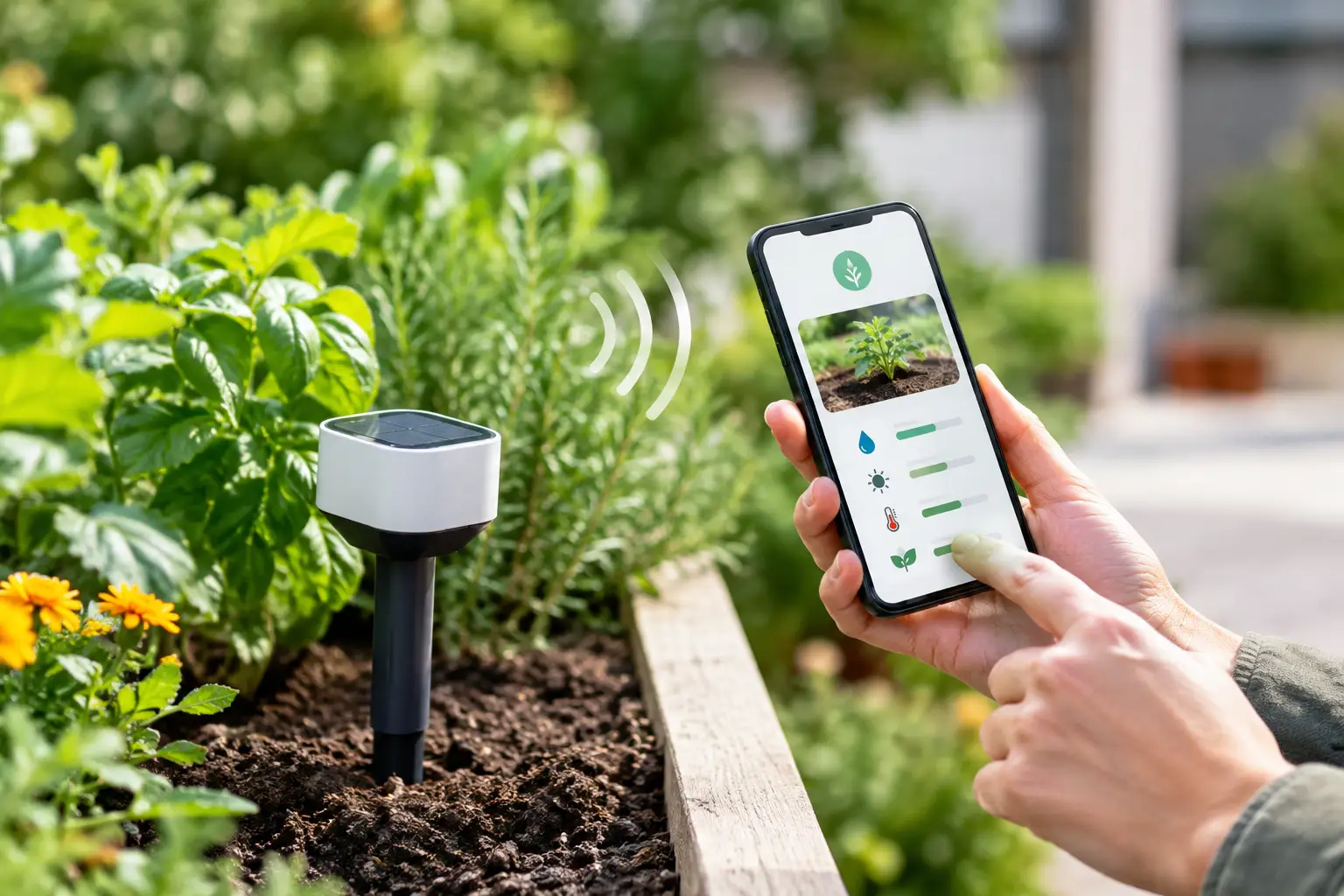
For gardens with connected valves and compatible soil sensors, Verde can apply moisture targets at the plant or zone level while accounting for local weather. You still set your schedule to comply with your provider's restrictions, but the system can avoid unnecessary runs within that permitted window.
Do I need to water every plant on the same day?
No. Restriction days describe when watering may be allowed, not a requirement to water the whole garden. A deep-rooted established shrub may be fine for weeks between watering, while a young tomato plant in a pot can dry quickly during a run of hot northerlies.
Group plants by real watering needs where possible. Pots, hanging baskets and new plantings usually need closer attention. Established natives often prefer a slower, less frequent soak and can suffer if kept constantly wet. Lawns may look less lush under restrictions, yet still recover when conditions improve if the roots remain healthy.
A moisture reading is more useful than judging by the surface alone. Dry topsoil does not always mean the root zone is dry, and damp mulch can hide thirsty soil underneath.
Is hand watering always allowed?
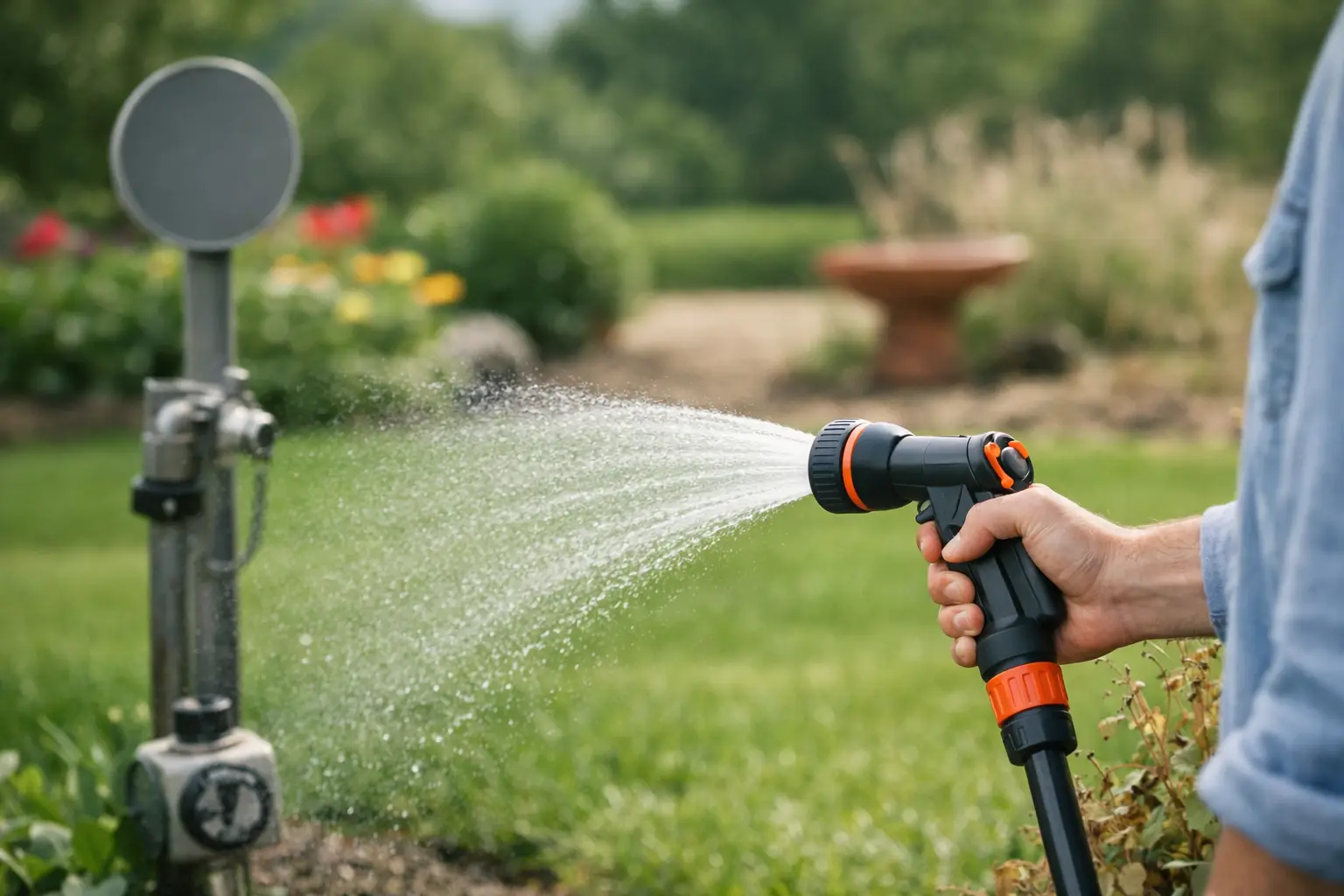
Not always. Hand-held hoses, watering cans and trigger nozzles are commonly treated differently from fixed sprinklers, but the permitted days, times and nozzle requirements depend on your local authority. Some stages allow hand watering only at certain times. Others tighten rules considerably during severe shortages.
Hand watering has one major advantage: you can place water where it is needed. Aim at the soil around the roots, not foliage, fences or paving. It is slower than turning on a sprinkler, but it is usually much more precise for valuable plants, containers and newly planted beds.
Can I water after rain if it is my allocated day?
You may be technically within your watering window, but that does not make it a good decision. Rainfall does not tell the full story either. Five millimetres of rain may barely penetrate heavy mulch or compacted soil, while a steady 25-millimetre fall can replace a planned irrigation cycle entirely.
Check the soil before watering. If it is moist at root depth, wait. If rainfall was patchy, inspect separate zones rather than assuming the whole garden received the same amount. This is particularly relevant in larger suburban blocks, where a sheltered side bed can stay dry while the lawn near the fence is wet.
What about new turf, seedlings and recently planted trees?
New plants are the part of the garden most likely to need an exemption or special allowance, but never presume one exists. Water providers may have rules for establishment periods, proof of purchase, application processes or approved watering methods. Check before planting a large area of turf during a restricted period.
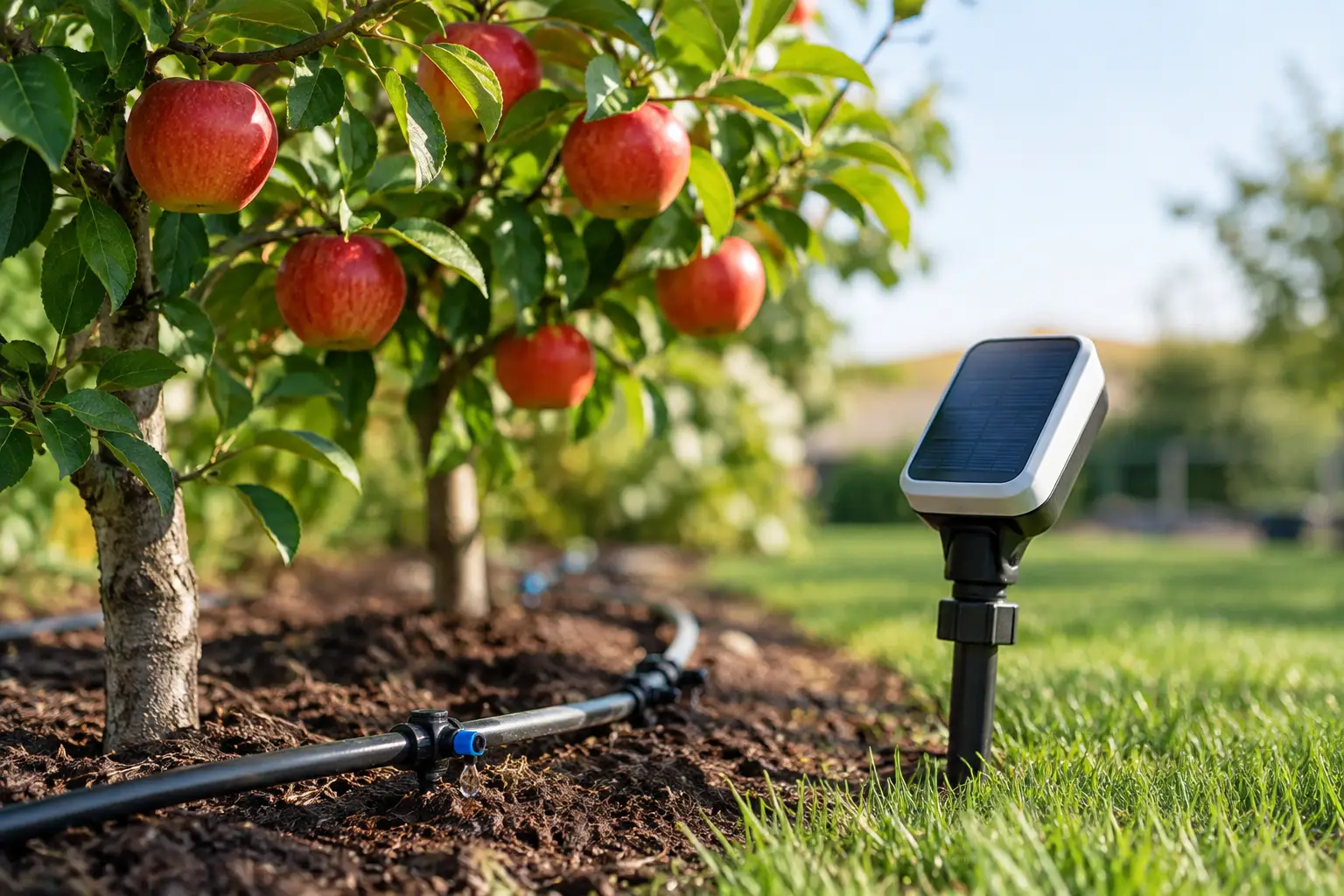
Where watering is permitted, make every application count. Water slowly enough for it to soak in, then use mulch to reduce evaporation. For trees, focus on the root ball and the soil just beyond it. Frequent light watering encourages shallow roots; a properly paced deep watering helps roots move into cooler soil.
Can I keep my lawn green during restrictions?
Sometimes, but a green lawn should not be the only measure of a healthy one. Grass naturally slows in dry weather. Mow a little higher, leave clippings where appropriate, avoid scalping, and keep foot traffic off heat-stressed areas. These small changes reduce water demand without asking the irrigation system to compensate for every hot day.
If your water allowance is limited, prioritise established trees, productive plants and high-value garden beds over cosmetic lawn colour. A lawn may go dormant and recover. A stressed young fruit tree can take much longer to bounce back.
Make permitted watering more effective
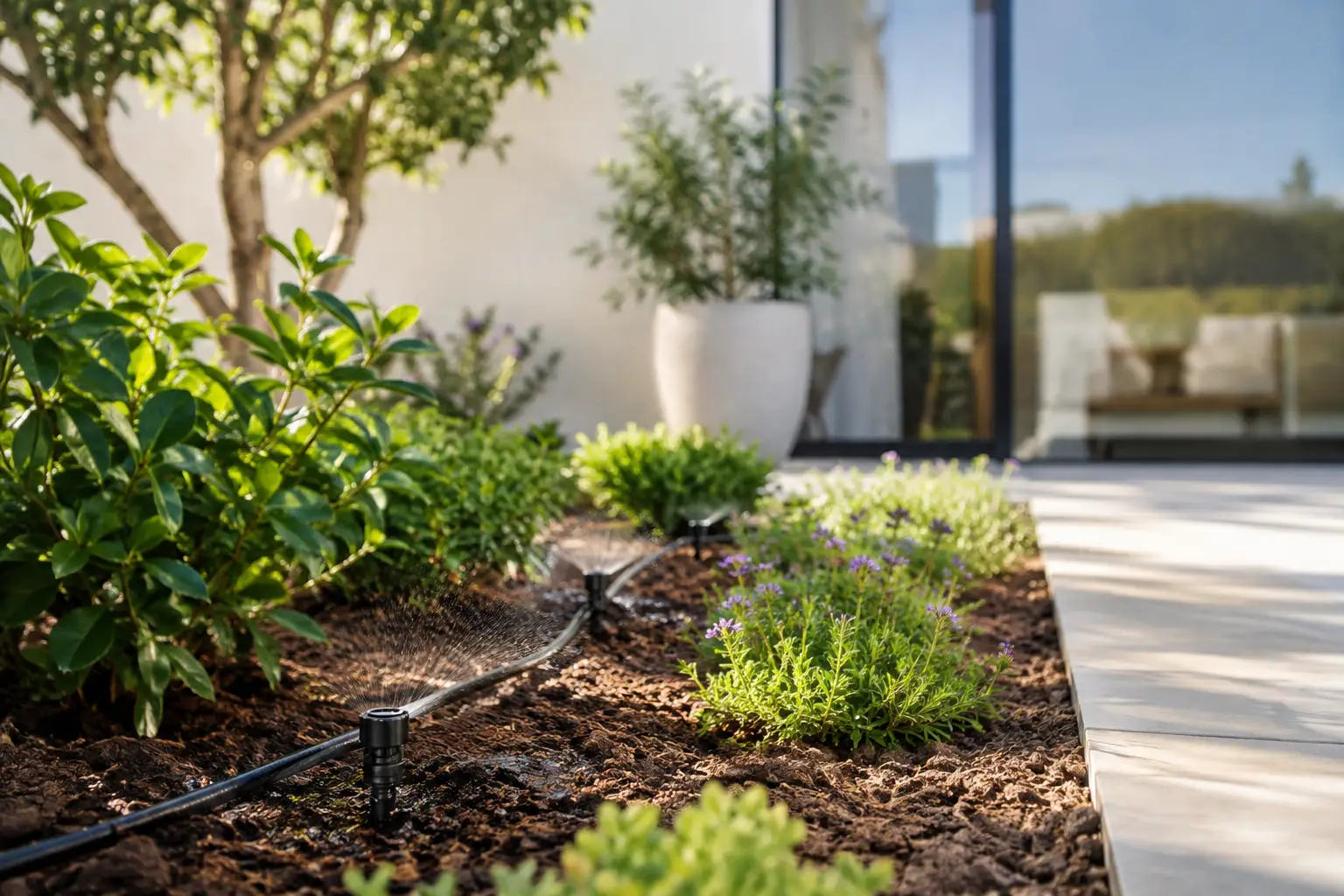
Restrictions work best when the garden wastes less in the first place. Before adding another watering cycle, inspect how water moves through each zone. A tilted sprinkler, blocked dripper or split hose can undermine even a careful schedule.
Four checks make a noticeable difference:
- Water early in the permitted window, when evaporation and wind are usually lower.
- Use mulch around beds, keeping it clear of stems and trunks to reduce rot risk.
- Run irrigation in shorter cycles on sloped or compacted ground, allowing time for water to soak in.
- Separate pots, lawns, vegies and established ornamentals into zones instead of treating them as one garden.
The trade-off is that better zoning takes a little setup. Once it is done, watering becomes simpler. You are no longer trying to find a compromise duration that overwaters one area and leaves another dry.
Use data without making gardening feel technical
Smart watering should reduce chores, not give you another dashboard to manage. The most useful information is simple: which plant is where, what moisture range it prefers, whether its soil is dry, and whether rain is likely to make watering unnecessary.
For a novice, that might mean photographing an unfamiliar plant, receiving a likely identification and using a suggested moisture target as a starting point. For an experienced gardener, it can mean setting different thresholds for a sunny raised bed, shaded fern corner and citrus line, then reviewing watering history when a plant looks unhappy.
Treat targets as living settings, not permanent facts. Soil type, pot size, shade, mulch, season and plant maturity all change how quickly water is used. Adjust gradually and observe the result. If soil stays wet too long, reduce the target or duration. If a plant repeatedly dries beyond its preferred range before its permitted window, improve mulch, check emitter coverage or consider whether that plant belongs in a less exposed position.
A practical plan for the next hot week
First, confirm the current restrictions for your address. Then walk the garden with one question in mind: which areas actually need water before the next allowed window? Check pots, new plantings and productive beds first, then assess the rest at root depth.
Set only the irrigation your garden needs, within the permitted method and time. Pause watering after meaningful rain, repair obvious leaks, and let established low-water plants do what they are adapted to do. A restriction period does not have to mean a neglected garden. With accurate rules, better zoning and soil-led decisions, it can be the moment your watering becomes calmer, more precise and far less wasteful.