How to Create a Seasonal Watering Schedule
Learn to create a seasonal watering schedule that responds to soil, weather and plant needs, helping Australian gardens use less water and thrive all year.
A 35°C afternoon in January and a cool, wet week in July should not produce the same watering run. Yet that is exactly what a fixed irrigation timer does. To create a seasonal watering schedule that protects plants and avoids waste, start with what is happening in your soil, then adjust for the season, local weather and the plants growing in each zone.
For Australian gardens, a useful schedule is not a calendar of identical weekly runs. It is a set of sensible starting points that can change when heat, rain, wind or plant growth changes. That approach gives you healthier roots, fewer stressed plants and far less guesswork at the tap.
Start with zones, not one garden-wide schedule
A lawn in full western sun, a shaded fern corner, raised veggie beds and pots beside a north-facing wall do not dry out at the same rate. Giving them one watering schedule is convenient, but it is rarely accurate.
Group plants by conditions first. A practical garden might have a sunny lawn zone, an established shrub border, thirsty vegetable beds, a shaded ornamental zone and a pot zone. If plants share similar light, soil depth and watering needs, they can usually share a valve schedule. If they do not, separate them where your irrigation setup allows.
Pots deserve their own category. Their small volume of growing media can dry quickly during hot or windy weather, while a well-mulched in-ground bed may still be holding moisture. Likewise, newly planted shrubs need more regular support than established natives with deep root systems.
This is where a garden map pays off. Label each zone with its plant types, sun exposure, irrigation method and soil character. Sandy soil drains quickly and usually needs shorter, more frequent watering. Clay holds water for longer, so frequent watering can leave roots sitting wet even when the surface looks dry.
Set moisture targets before setting run times
A watering schedule should answer one question: when does this zone actually need water? Run times come second.
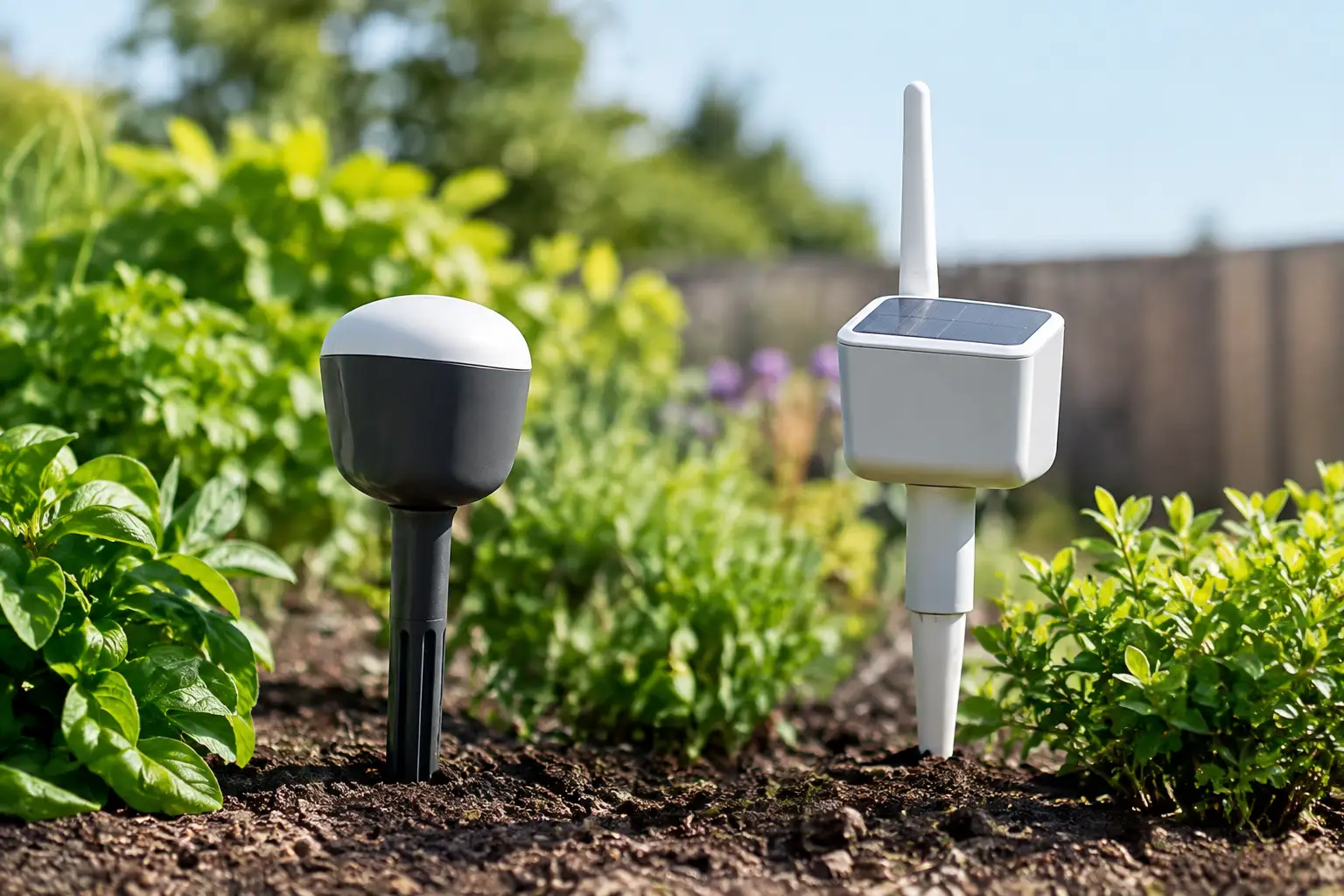
Check soil moisture below the surface, not just the top few centimetres. A hand trowel, moisture probe or connected soil sensor can show whether the root zone is dry, comfortably moist or waterlogged. For most garden plants, the goal is evenly moist soil with enough air around the roots, not permanently wet soil.
Set a simple target for each zone. Your vegetable bed may need moisture maintained more consistently, particularly while seedlings establish or fruit is forming. A mature native border may be allowed to dry considerably between deep drinks. Indoor-outdoor potted plants often need closer monitoring because heat reflected from paving can alter conditions within a day.
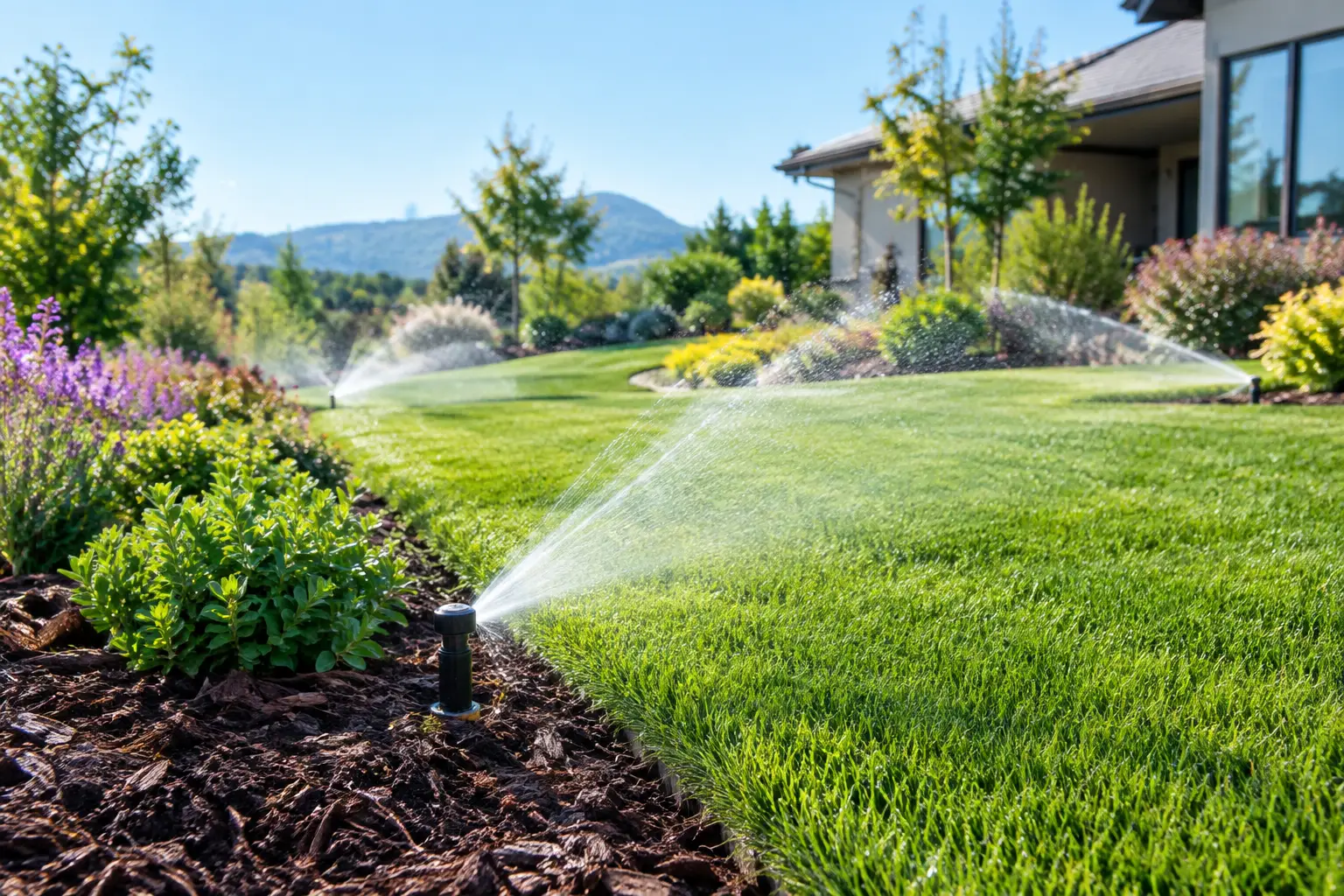
Avoid copying a neighbour's run time or relying on a generic timer recommendation. The same 15-minute cycle can deliver very different amounts depending on pressure, dripper flow, sprinkler type and soil. Run a short catch-can test for sprinklers, or check each dripper's rated output, so you know what your system is actually applying.
How to create a seasonal watering schedule for Australian gardens
Build each season around a baseline, then leave room to respond. The following patterns are a useful guide, but your suburb, soil and plant mix should have the final say.
Summer: water deeply, then reassess often
Summer is when fixed schedules most often waste water. Heatwaves, hot northerly winds and high UV can dry a zone rapidly, while a storm may deliver enough rain to make the next programmed cycle unnecessary.
Water in the early morning where possible. It reduces evaporation and gives foliage time to dry, which is helpful for disease prevention. Aim for a deeper soak that reaches the active root zone rather than several shallow sprays that encourage roots to stay near the surface.
During extreme heat, check pots, seedlings and vegetables daily. Established trees, shrubs and drought-tolerant plants may need less frequent but longer watering. If a plant is wilting in the afternoon but recovers by morning and the soil remains moist, it may be responding to heat rather than asking for more water. Watering it again can compound the problem.
Autumn: taper gradually, do not switch off overnight
Autumn can still bring warm days, particularly across much of Australia, so reduce watering in response to soil moisture rather than the date on the calendar. As nights cool and rainfall becomes more regular, gardens typically use less water.
This is a good time to extend the gap between cycles for lawns, established beds and shrubs. Keep an eye on vegetables and new plantings, which may still need consistent moisture while roots develop. Refreshing mulch now helps slow evaporation and moderates soil temperature ahead of summer and winter extremes.
Winter: protect roots from staying wet
In cooler, wetter regions, winter irrigation may be needed only occasionally. Rain, low evaporation and slower plant growth mean the biggest risk is often overwatering, especially in clay soils, shaded areas and pots without good drainage.
Do not assume all Australian winters are wet. In drier inland areas, sheltered coastal gardens or places experiencing a dry spell, soil can still dry below the surface. Check before watering, and choose a short cycle only when the root zone is genuinely drying out.
Winter is also the right time to inspect irrigation hardware. Clear blocked drippers, look for leaks, test valves and make sure water is not pooling around plant crowns. A small fault that goes unnoticed in winter can become a major water loss during summer restrictions.
Spring: increase as growth returns
Spring growth can be deceptive. Plants begin putting out new leaves, vegetables accelerate and warmer, windier days return, but a few cold fronts or rain events can still slow drying. Increase watering gradually rather than jumping straight to a summer program.
Pay particular attention to new plantings, flowering plants and productive beds. They have limited root systems or higher moisture demand. Established plants can often wait until the soil shows they need a drink. This is also a strong time to check whether your zones still make sense, especially if the garden has grown, been replanted or gained more shade.
Add weather and rainfall as decision points
A seasonal schedule becomes genuinely useful when it can pause or adapt. Forecast rain is helpful, but actual rainfall and soil conditions are more reliable. A brief shower may wet leaves and the top layer of mulch without reaching roots. Conversely, steady rain over several hours may replace a planned irrigation cycle entirely.
Wind matters as much as temperature. Dry, gusty conditions can pull moisture from leaves and soil quickly, particularly in exposed courtyards and balcony gardens. Humidity, shade and mulch all slow water loss, so two zones only metres apart may need different treatment.
If you use smart valves and soil sensors, automate the decision rather than trying to remember every adjustment. Verde can organise plants into zones, assign a moisture target, read local weather and open a compatible valve only when the soil calls for it. The point is not to hand control to an app without oversight. It is to replace a rigid timer with a clear rule: water this zone when it needs water, and stop when it does not.
Watch for signs your schedule needs changing
Plants and soil will tell you when the baseline is wrong. Persistently dry soil below the mulch, curling leaves in the morning, poor fruit development and pots that feel markedly light may indicate a zone needs water sooner or for longer.
Yellowing lower leaves, fungus gnats around wet pots, algae on soil, soft growth and a sour smell in waterlogged beds point in the other direction. More water is not always safer. Roots need oxygen, and consistently saturated soil can cause decline that resembles drought stress.
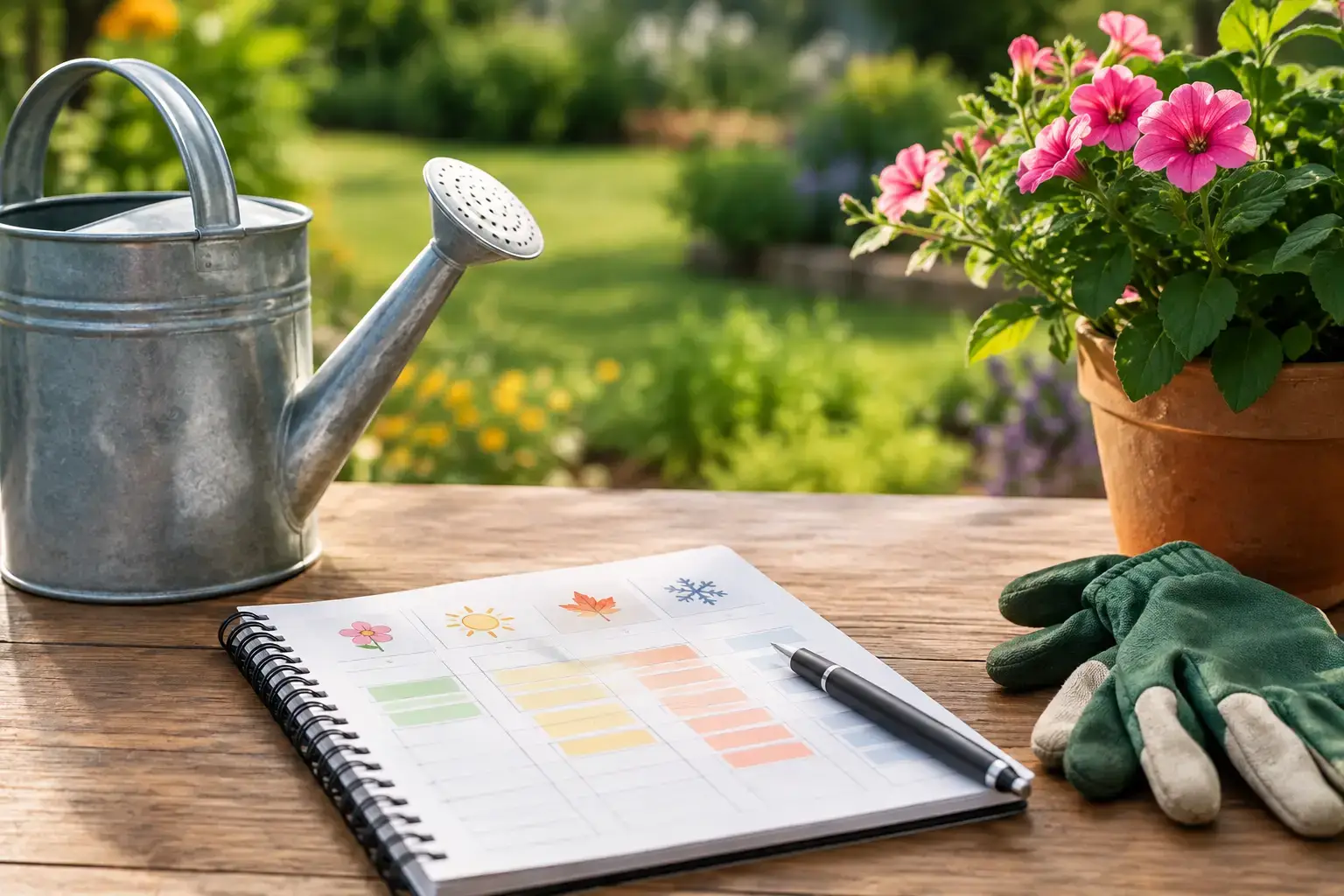
Make one adjustment at a time. Change either the frequency or the run time, then observe for several days. Altering everything at once makes it difficult to learn what worked. Keep brief notes through the first year, including heatwaves, heavy rain, plant losses and successful changes. By the next season, your schedule will be based on your garden rather than a generic chart.
A good watering schedule should quietly fade into the background. When your zones are organised, moisture targets are realistic and weather can influence each cycle, garden care becomes one simple flow instead of a daily round of timer changes and crossed fingers.