Multiple Zone Irrigation Results That Last
See how multiple zone irrigation results improve when every garden area follows its own soil moisture target, local weather and plant needs with lower use.
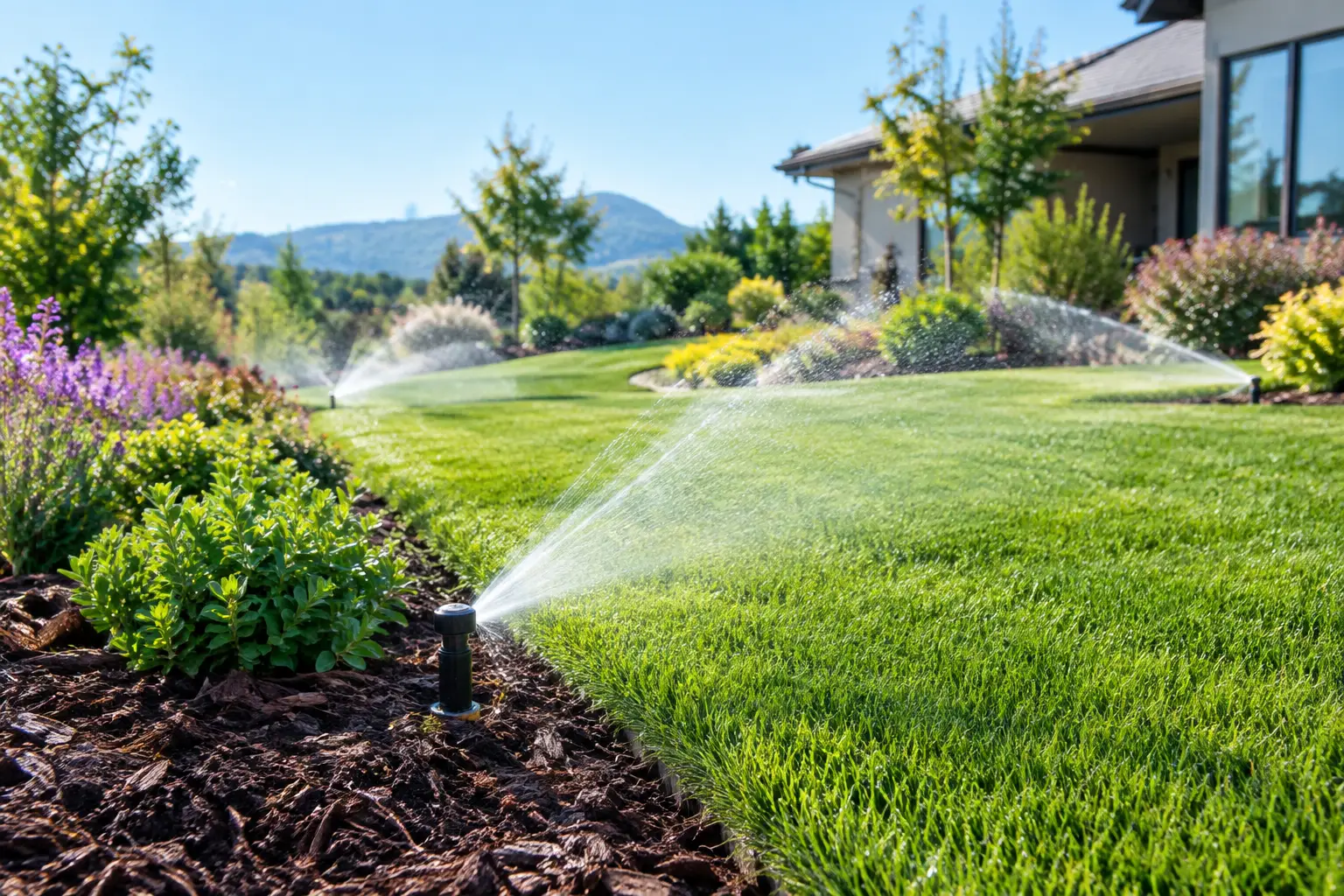
A lawn can look thirsty while the veggie patch is still holding yesterday’s water. A sunny western border can dry out hours before the shaded side path. That is why multiple zone irrigation results are rarely improved by adding more watering time. They improve when each part of the garden is allowed to behave like the different environment it is.
For Australian gardens, that difference matters. Summer heat, wind, sandy soil, sudden storms and changing seasonal light can make one fixed irrigation schedule feel sensible on Monday and wasteful by Thursday. A multi-zone setup gives you the control to water with purpose, rather than hoping one timer setting suits every plant on the property.
What good multiple zone irrigation results look like
The best outcome is not simply a greener garden. It is a garden where plants receive enough water at the root zone, without routinely saturating soil or running valves after rain. Your lawn remains healthy without stealing water from drought-tolerant natives. Herbs are productive without turning the surrounding beds soggy. Pots do not dry out while established shrubs receive unnecessary top-ups.
Good results tend to show up in practical ways: fewer stressed plants during hot spells, less fungal trouble caused by persistently wet soil, lower water use and fewer manual checks. You also gain a clearer picture of what is happening. Instead of asking whether the whole garden needs water, you can see which zone needs attention and why.
That visibility is particularly useful in gardens that have grown over time. A new raised bed, a row of citrus, a patch of turf and a collection of pots may all share an outdoor tap, but they should not share the same watering logic.
Why zones need different watering decisions
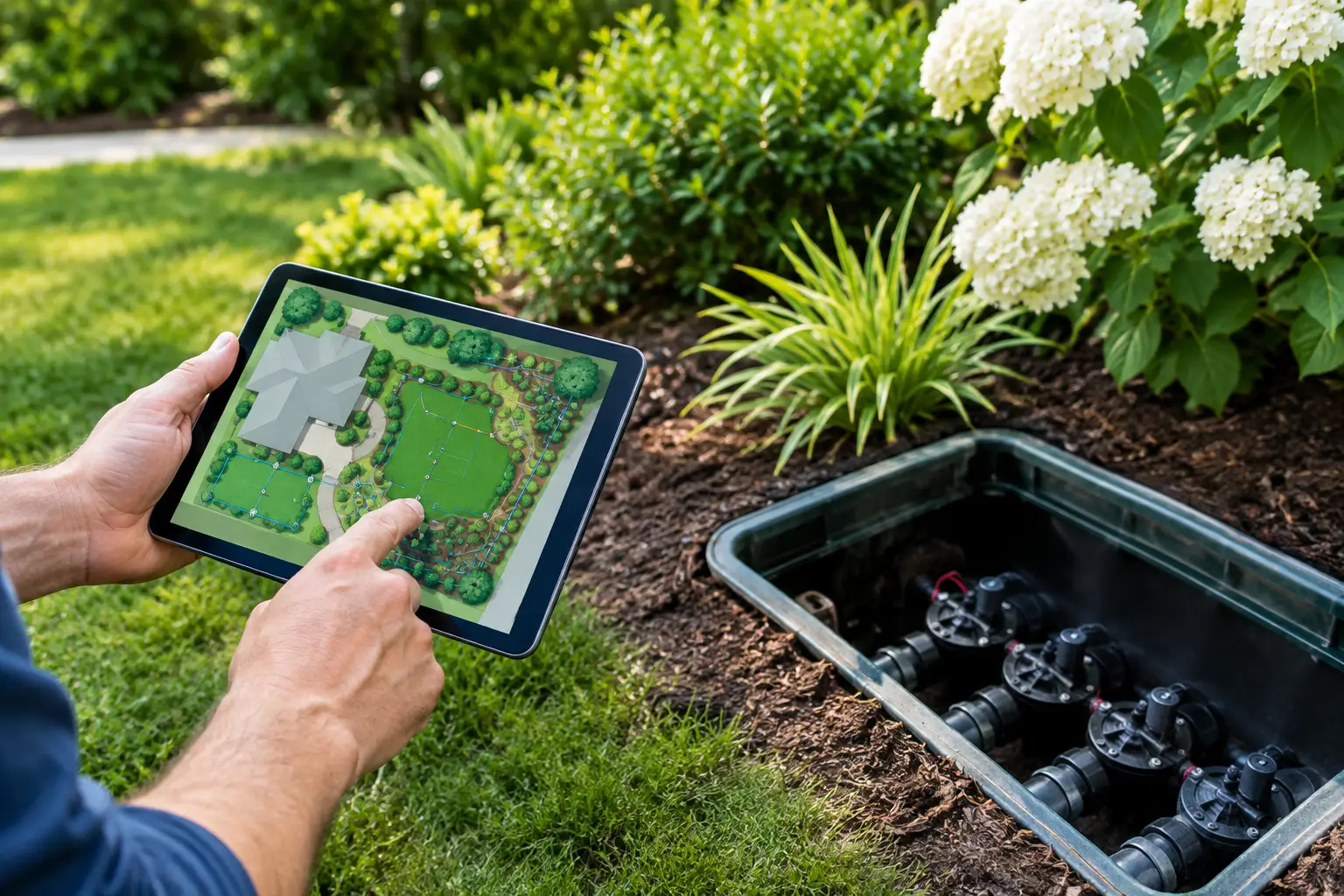
An irrigation zone is not just a group of sprinklers or drippers connected to one valve. It is an area where the plants, soil, exposure and watering method are similar enough to be managed together.
A north-facing lawn, for example, is exposed to a different level of heat and evaporation than a shaded fern corner. Native plants may prefer a drier moisture range than leafy vegetables. Pots can lose moisture quickly because their root volume is limited, while a mature shrub in deeper soil may only need occasional watering once established.
This is where basic timers start to struggle. A fixed schedule can open a valve at 6 am three times a week, but it cannot tell whether the soil is already wet, whether a heatwave is coming or whether the plants in that zone have different moisture targets. It follows the calendar, not the garden.
A better approach starts with grouping plants thoughtfully, then setting a moisture target that reflects what grows there. Soil-moisture monitoring provides the real condition in the zone. Weather awareness adds useful context. The valve can then run when the garden needs water and stop when it has had enough.
Set up zones around how your garden actually works
The most effective zone plan is usually simple. Start by walking through the garden at the time of day it gets the harshest light. Notice where the ground dries first, where water lingers and where plants have clearly different needs.
Keep lawn separate from garden beds where possible. Turf generally needs broader, slower coverage, while beds often perform better with drip irrigation directed at the soil. Separate vegetables from established ornamentals because vegetables need more consistent moisture, particularly while flowering or fruiting. Group pots by exposure and plant type if they are watered through a shared line.
It also helps to separate zones by irrigation method. Sprinklers, drip lines and micro-sprays apply water at different rates. Combining them on a single valve makes it difficult to run long enough for one area without overwatering another.
You do not need a perfect garden redesign to begin. If your existing system has only a few valves, use them to solve the biggest mismatch first. Splitting a full-sun bed from a shaded bed, or separating thirsty edibles from low-water shrubs, can make an immediate difference.
Place sensors where decisions need evidence
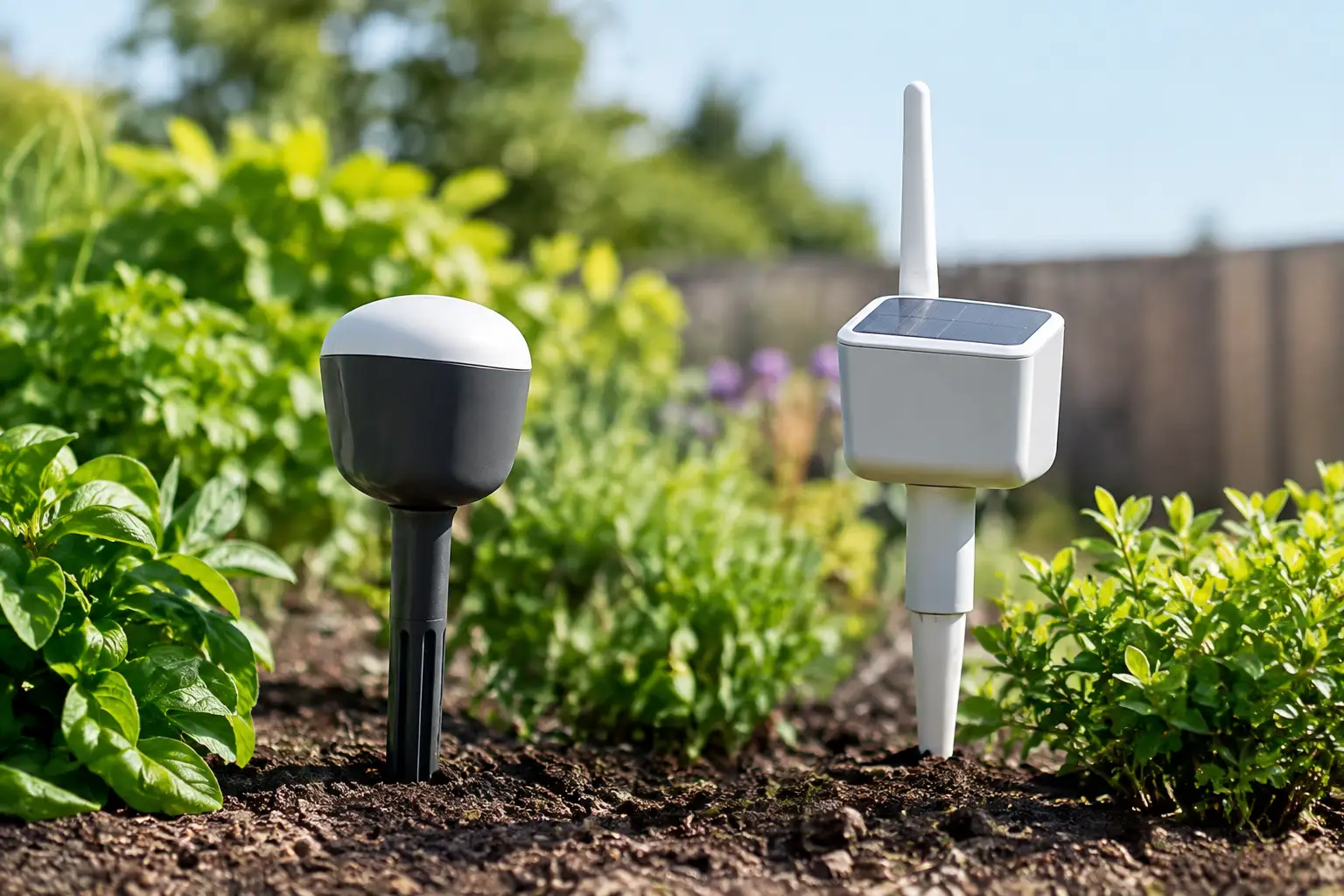
A soil sensor should represent the conditions of the zone, not the easiest spot to reach. Place it in the active root area, away from drippers that hit it directly and away from edges that dry faster than the rest of the bed. For a large or varied zone, more than one sensor may be worthwhile.
Sensor placement is a trade-off. One sensor keeps the setup simple and works well for a uniform bed. Multiple sensors give a more reliable view where soil, shade or plant density changes across the area. If readings do not match what you can see in the garden, check placement before changing your watering schedule.
Let moisture targets drive the valve
A moisture target turns irrigation from a routine into a response. Rather than instructing a valve to run every second morning regardless of conditions, you define an acceptable moisture range for the plants in that zone. When soil drops below the lower threshold, watering can begin. When the target is reached, the valve closes.
The practical benefit is control without constant hovering. A hot, dry week may trigger more watering for a veggie bed. Cool weather or a decent rainfall event may mean no watering is needed at all. The system responds to soil conditions rather than guessing from the forecast alone.
Weather still has an important role. Local temperature, rain and forecast conditions help avoid watering just before or during rain, and they give context to unusual moisture changes. But weather data should support the decision, not replace the soil reading. Rain can be patchy. A storm may wet leaves and paths while leaving soil beneath dense foliage surprisingly dry.
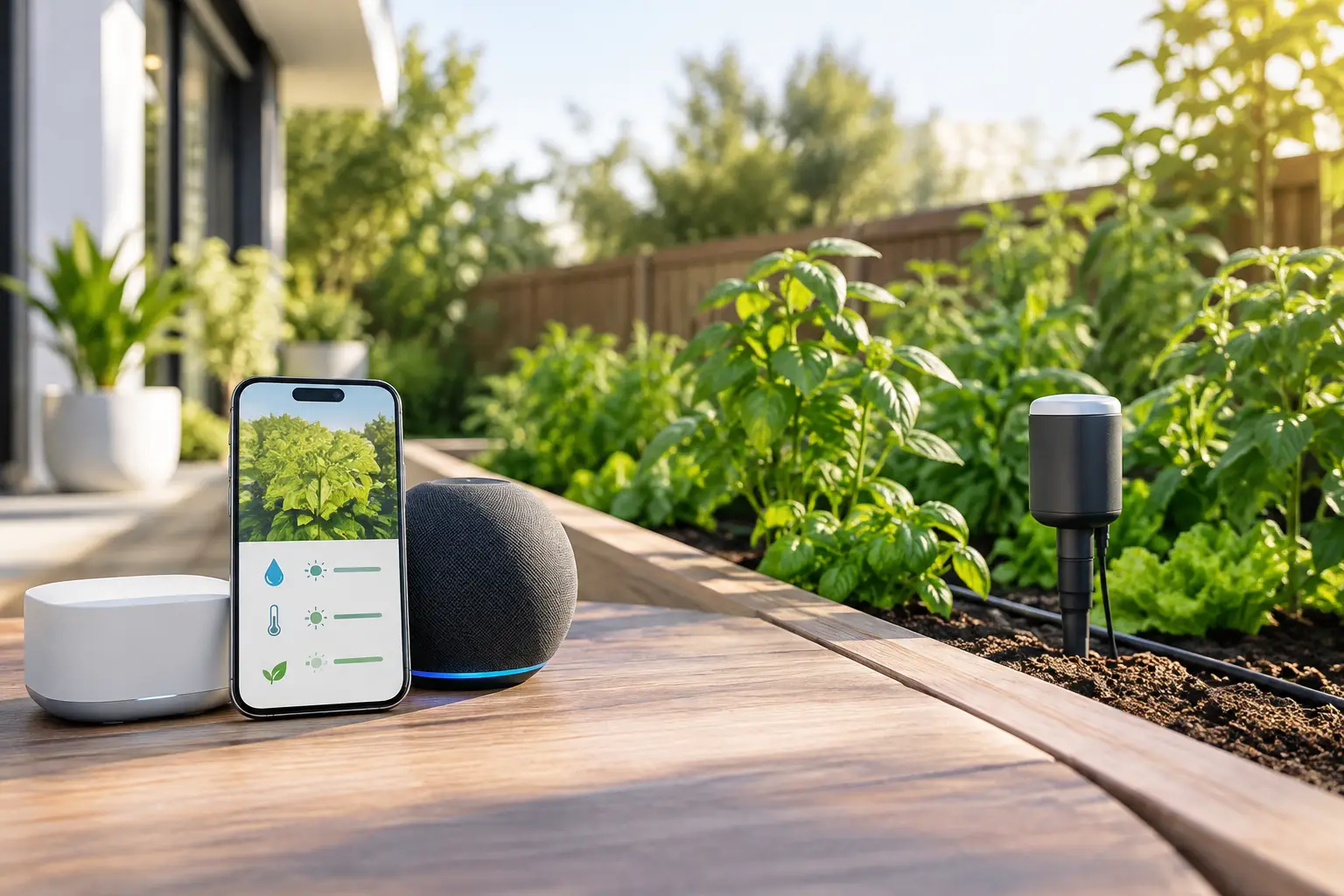
With Verde, garden zones can be organised in one app alongside plant records, moisture ranges, compatible smart valves and local weather. Photograph a plant to identify it, set the moisture target that suits it, then use actual soil conditions to guide irrigation. It is one simple flow, not a dozen chores.
Measure results over weeks, not one watering cycle
Irrigation changes can take time to assess. Plants may need a few weeks to show whether the new moisture pattern is helping, especially after a period of overwatering or heat stress. Look for firmer growth, more consistent soil moisture, fewer wilted leaves in the afternoon and reduced runoff from beds and lawns.
Water use is another useful measure, but it needs context. A system may use more water briefly during an unusually hot period while still being more efficient than a timer-based schedule. The question is whether that water reached the plants that needed it, rather than being spread evenly across every zone.
If a zone is always triggering too often, investigate before simply lowering the target. The soil may be sandy, the sensor may be poorly positioned, emitters may be missing the root area or a pot zone may need shorter, more frequent cycles. If a zone rarely triggers but plants look stressed, check whether the sensor is deeper than the active roots or located in a naturally damp patch.
Common mistakes that limit zone performance
Overlapping sprinkler coverage is a frequent cause of wet patches and wasted water. So is placing high-water plants and dry-climate plants on the same valve because they happen to be next to each other. Physical proximity is less useful than similar water requirements.
Another mistake is using a moisture target as a rigid number without observing the plants. Soil type, mulch depth, pot size and plant maturity all affect what a healthy reading looks like. Use the target as a control point, then refine it based on real plant response.
Finally, do not forget maintenance. Check filters, drippers, sprinkler heads, batteries and valve operation across the season. Smart control cannot compensate for a blocked emitter or a sprinkler spraying the footpath.
A well-managed multi-zone system should feel quiet in the background. You still get to enjoy the garden, notice new growth and make seasonal changes, but you are no longer carrying the full watering schedule in your head. Give each zone a clear purpose, let soil conditions lead, and your garden can use water more carefully without asking you to spend every morning at the tap.