Matter versus WiFi Garden Sensors Compared
Matter versus WiFi garden sensors: compare compatibility, battery life, range and reliability to choose moisture monitoring for an Australian garden.
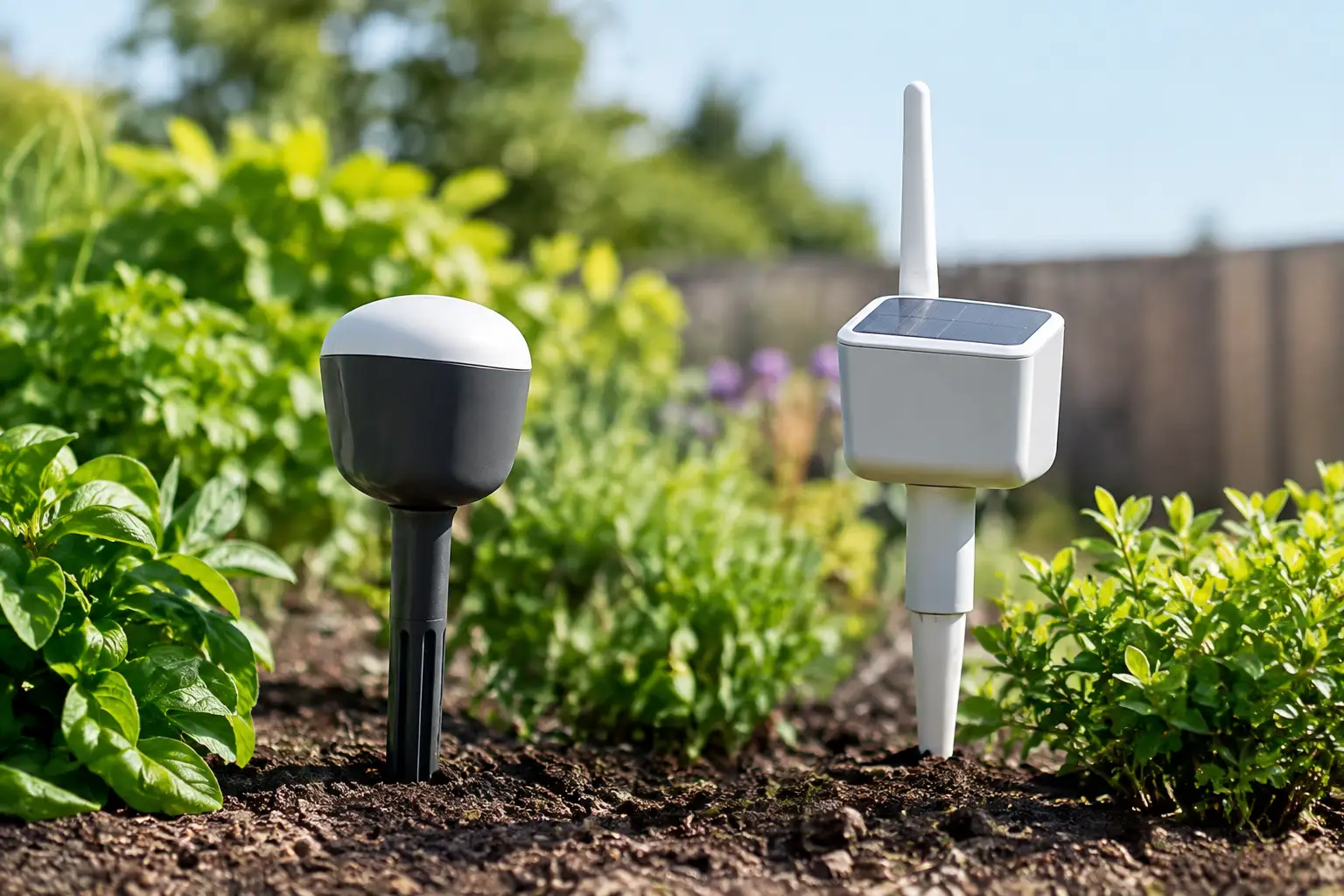
A soil sensor is only useful when its reading leads to the right watering decision. That is why the Matter versus WiFi garden sensors question is less about choosing a trendy protocol and more about choosing a system that stays connected, suits your garden layout and works with the controls you already use.
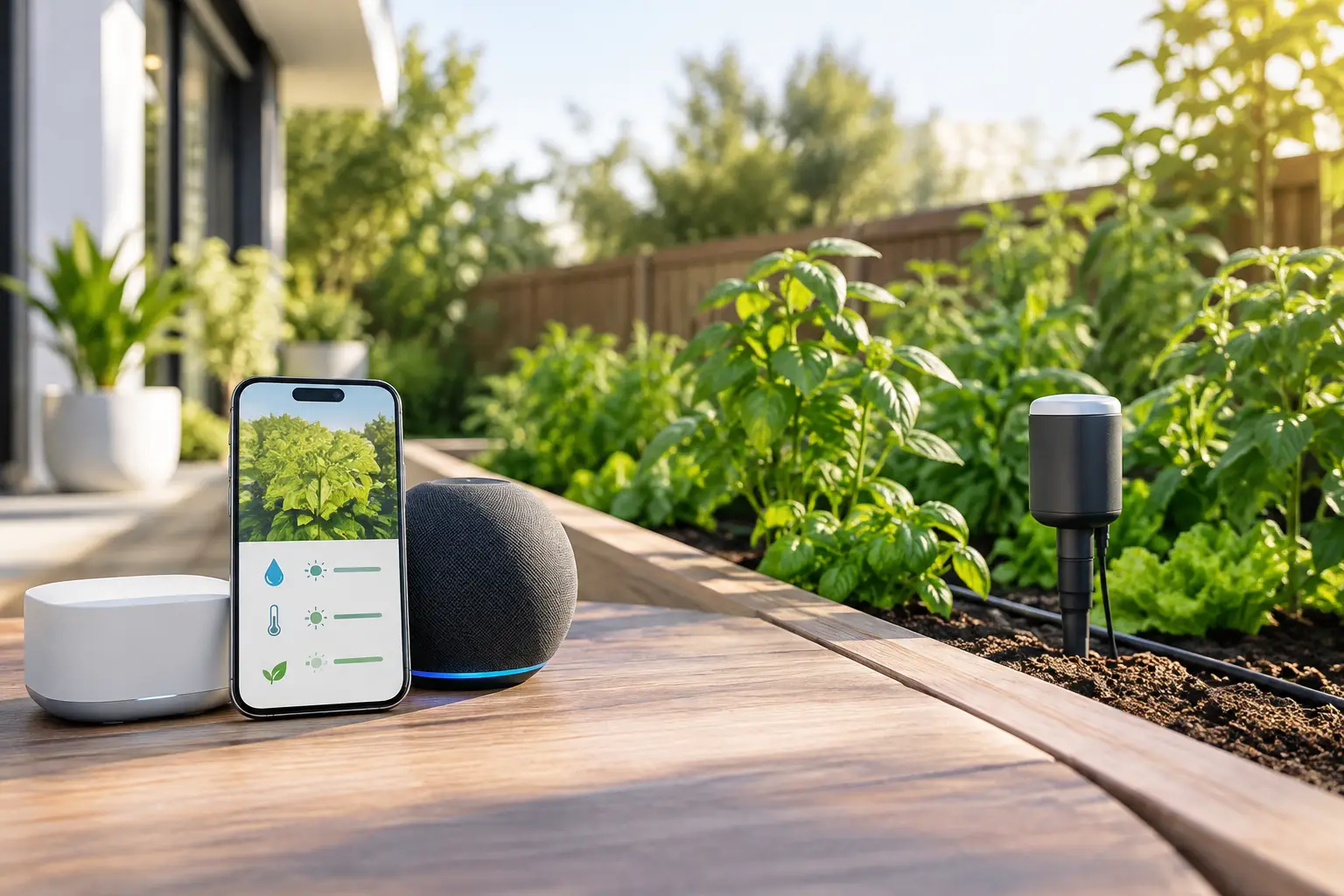
For many Australian gardens, Wi-Fi is the straightforward answer. It is already running through the house, most smart valves use it, and setup is familiar. Matter brings a different benefit: a common smart-home language that can make compatible devices easier to use across Apple Home, Google Home, Home Assistant and other platforms. The catch is that Matter is not a radio signal by itself. A Matter garden sensor may use Wi-Fi, Thread or another supported network technology underneath.
That distinction changes the buying decision.
Matter versus WiFi garden sensors: the real difference
A conventional Wi-Fi garden sensor connects directly to your home router, usually through the 2.4 GHz band. Its manufacturer’s app receives the readings and may offer automations, notifications or integration with selected smart-home platforms. It can be a good fit for a sensor close to the house with dependable Wi-Fi coverage.
Matter is an interoperability standard. A Matter-certified sensor presents its functions in a consistent way to supported smart-home ecosystems. Instead of being locked into one brand’s app, you may be able to view the device and build automations in the platform you prefer. Matter does not automatically mean better moisture readings, longer battery life or greater outdoor range. Those depend on the sensor’s probe, housing, battery, radio and installation position.
A Matter sensor can use Wi-Fi, which means the comparison is sometimes really between a Wi-Fi-only device and a Matter-enabled device that also happens to run over Wi-Fi. Alternatively, a Matter-over-Thread sensor uses Thread for its local connection. Thread is a low-power mesh network, designed so nearby compatible devices can help relay signals around the property.
For garden care, think of Matter as the language and Wi-Fi or Thread as the path the reading takes to reach your automations.
Start with the watering outcome, not the protocol
Before choosing hardware, decide what the sensor needs to trigger. If you simply want an alert when one pot is dry, a basic Wi-Fi device may be enough. If you want soil conditions to control a valve across several zones, live weather to prevent unnecessary watering, and visibility in your preferred smart-home system, compatibility deserves much more weight.
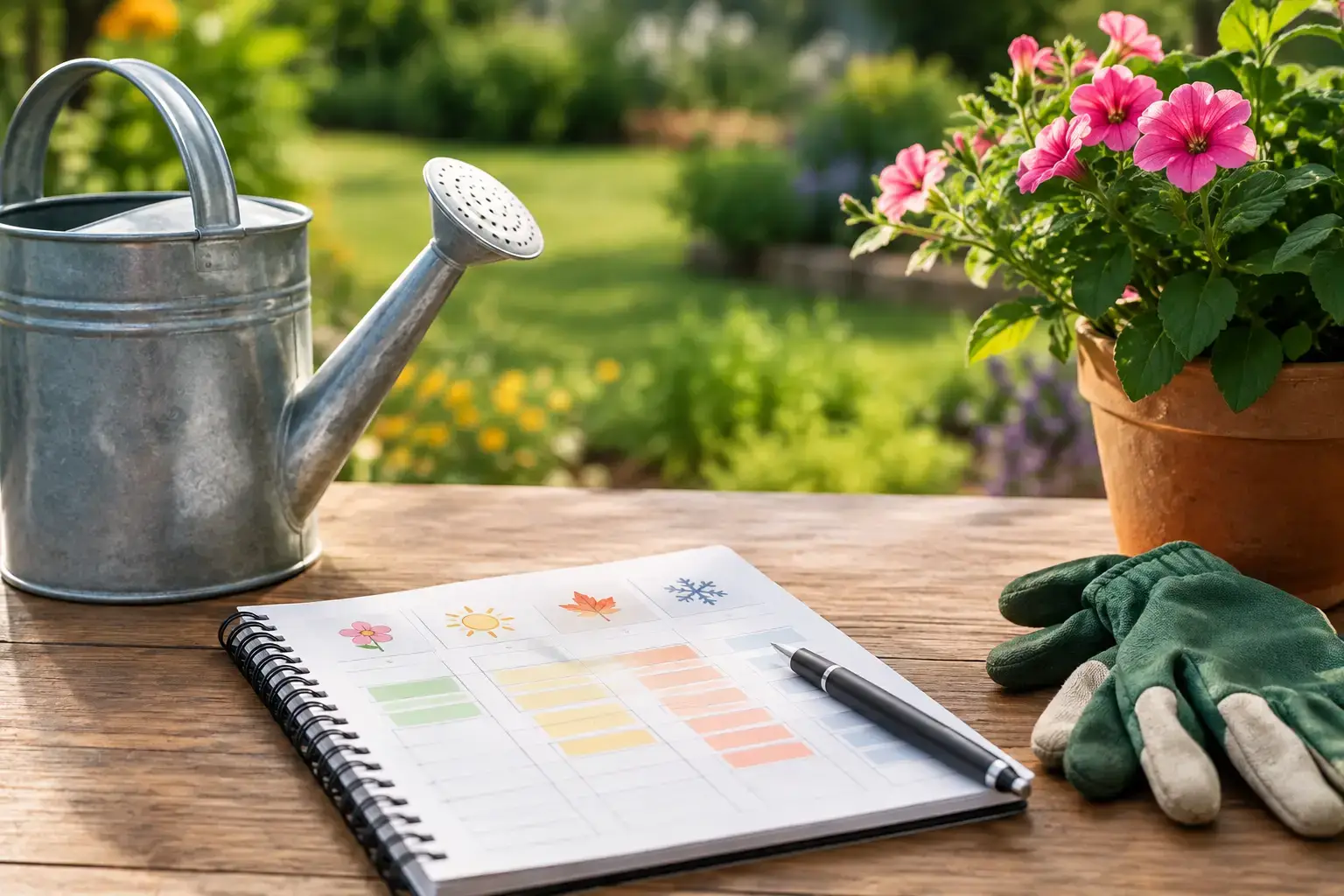
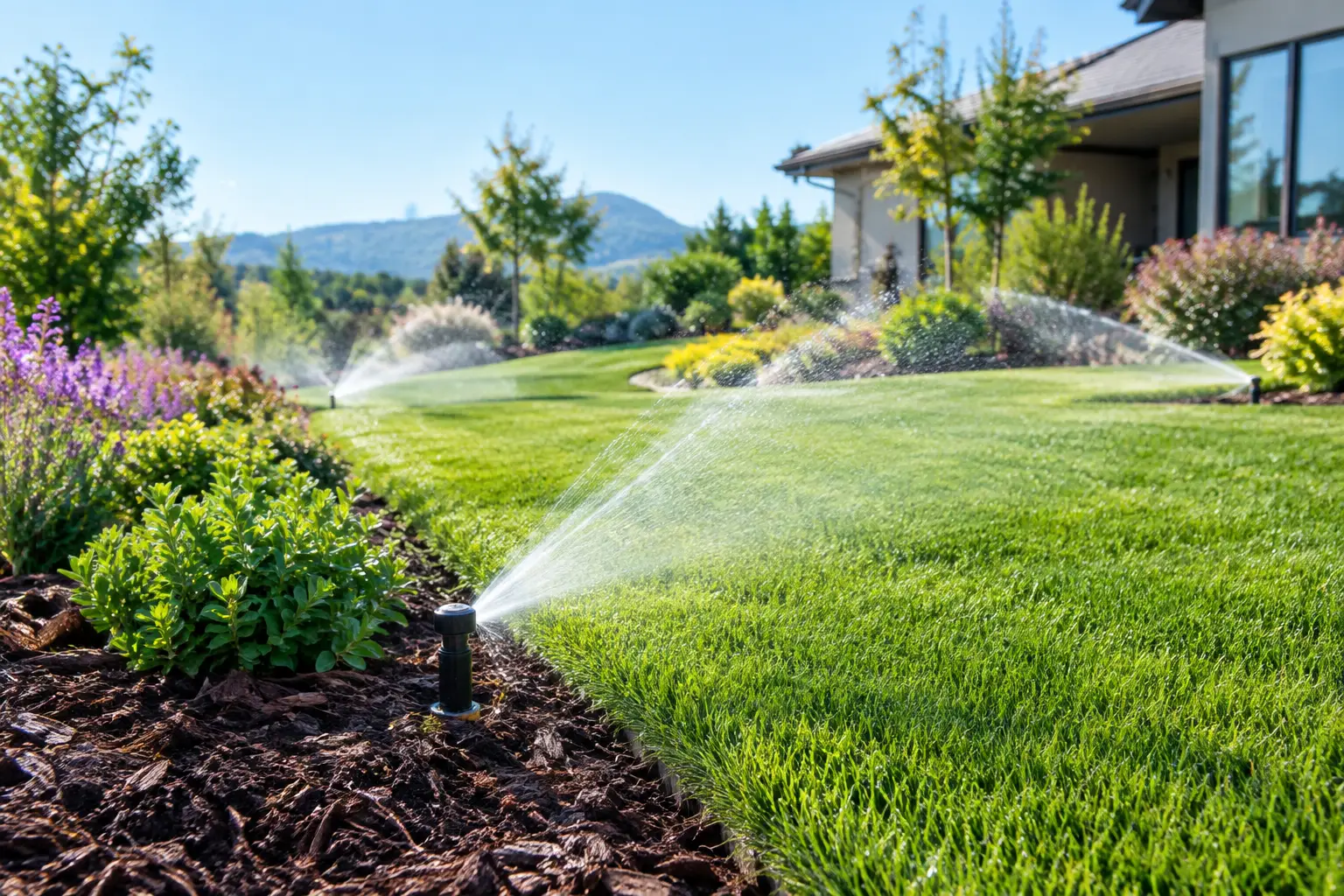
The best automation is not “water every morning at 6 am”. A lawn, raised vegetable bed and north-facing pot dry at different rates. A useful setup lets you set a moisture target for each plant or zone, then opens a compatible valve only when the soil has actually dropped below that threshold. It should also account for rainfall and upcoming weather rather than watering out of habit.
This is where an open, interoperable setup can reduce friction. A Matter-enabled device may sit more naturally beside your existing Apple Home, Google Home or Home Assistant equipment. But a reliable Wi-Fi sensor that reports clean, frequent readings can still be the better garden tool if it integrates with the app and valve control you need.
When Wi-Fi sensors make sense
Wi-Fi is often the most practical choice for a courtyard, balcony, small suburban block or a garden bed close to the house. There is no separate border router or mesh network to think about if your router already reaches the area. Wi-Fi devices can also send data directly through the home network, which is useful where the manufacturer’s product is designed around that connection.
The trade-off is power. Wi-Fi generally asks more of a battery than Thread. A solar-powered Wi-Fi sensor can avoid much of that concern, provided its panel receives enough daylight and the unit is designed for outdoor conditions. Battery-powered models may need more frequent charging or replacement, especially if they report very often or struggle to maintain a signal.
Wi-Fi range can also be uneven outdoors. Brick walls, metal fencing, a garage, dense foliage and distance from the router all weaken coverage. A sensor can look connected while sitting on the edge of reliability, then disappear when you most need it during a hot spell. Test your signal at the actual sensor location, not just at the back door.
When Matter and Thread are worth it
Matter is compelling when you want to avoid building your garden around a single brand. A compatible sensor can be commissioned into your chosen smart-home environment and, depending on its capabilities, used in wider household automations. That is valuable for people who already run smart lighting, weather stations, valves or monitoring through more than one platform.
Thread is especially appealing for battery-powered sensors spread across a larger garden. Its low-power design can support longer battery life, while its mesh structure can improve coverage when there are enough Thread-capable devices positioned between the house and the furthest bed. A Thread border router is required to connect that network to your home network. Some smart-home hubs, speakers and routers provide this function, but do not assume yours does. Check the exact model and its enabled features.
There are limits. A sparse Thread network with one sensor at the far end of a long block is not automatically stronger than decent Wi-Fi. Mesh benefits come from good device placement and enough powered routing devices. Also check that the Matter implementation exposes the measurements you care about. Soil moisture, temperature, battery status and alert support can vary by device and platform.
Garden conditions matter more than the label
Outdoor electronics live a harder life than indoor smart-home devices. Summer heat, UV exposure, rain, irrigation overspray, wet soil and curious pets can expose weak hardware quickly. Whether you choose Matter or Wi-Fi, look closely at the physical sensor.
The moisture probe should be suitable for the soil type and the root zone you are monitoring. A sensor pushed into the top few centimetres of mulch can report a very different condition from the soil around a tomato’s active roots. Place it where it represents the zone, away from a dripper that creates an artificially wet pocket and away from the edge of a pot that dries first.
Accuracy is also a practical process, not just a specification on a box. Compare readings with how the plant looks and how the soil feels at root depth over the first few watering cycles. Then set a moisture range that suits the plant. Succulents, hydrangeas, citrus and leafy greens should not share one universal threshold.
A well-designed garden platform turns that information into one simple flow: identify the plant, set its preferred moisture range, monitor the soil, and let compatible irrigation respond when it is genuinely needed. Verde is built around this approach, combining plant-level targets, weather-aware watering and compatible smart valves without adding a hub or subscription.
Compatibility checks before you buy
The word “compatible” can mean several different things. A sensor may work in an app but not expose its readings to your chosen smart-home platform. It may support Matter but require a particular controller, border router or firmware version. A valve may be visible in the same ecosystem yet lack the automation options needed to act on soil moisture.
Check the sensor’s connection type first: Wi-Fi, Matter over Wi-Fi, or Matter over Thread. Then confirm whether your existing controller supports it, where the readings will appear, and whether your automation platform can use those readings to operate your valve. If privacy matters, check whether the device can operate locally for core automations or relies on a vendor cloud service.
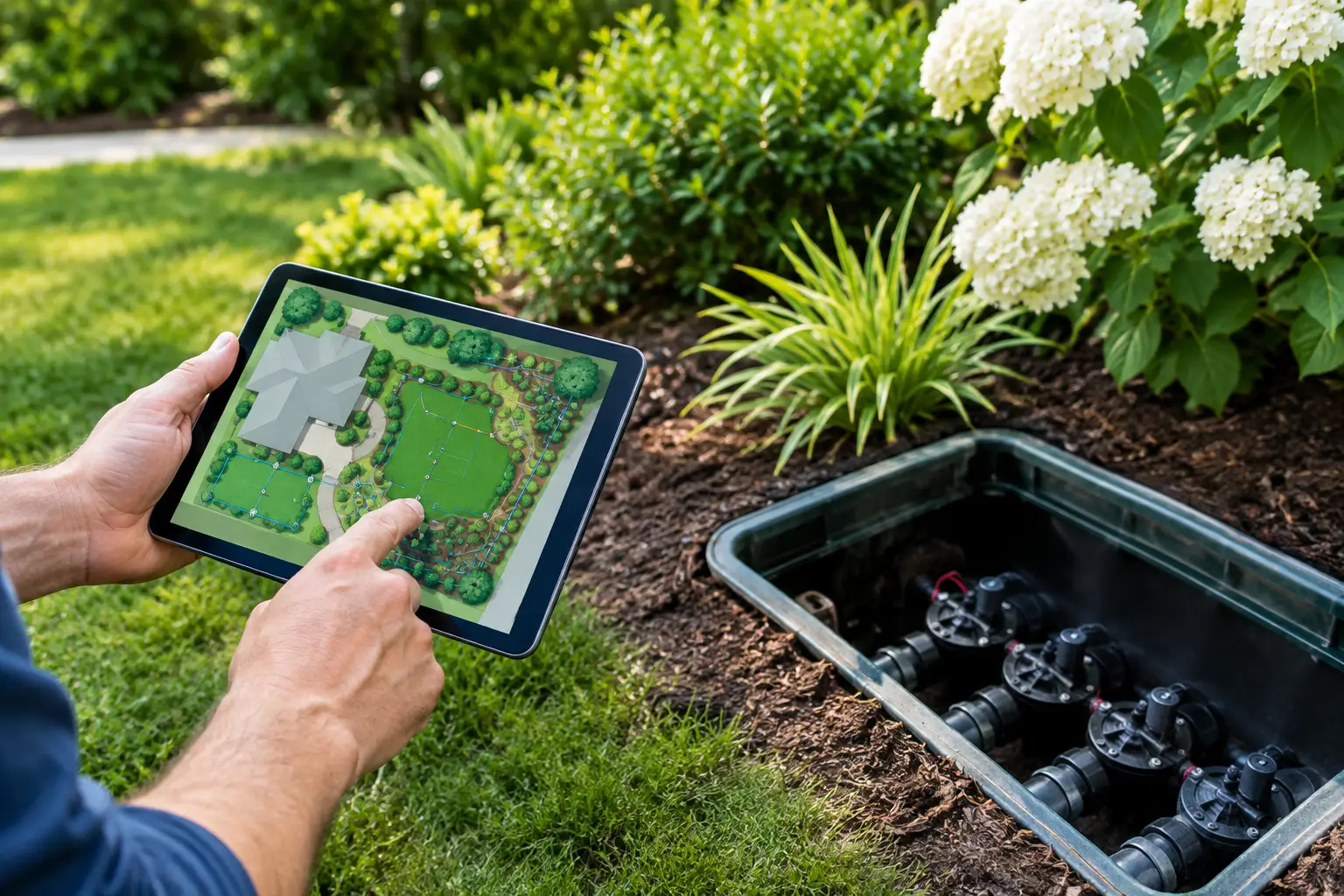
For renters, Wi-Fi may be the simplest option because it can work from an existing router without permanent network equipment. For an established smart-home household, Matter can make future device choices less restrictive. For a large block, neither label replaces a coverage plan. Map the location of the router, border router, valves and each sensor before committing.
Choose for dependable care, not maximum features
A garden sensor should disappear into the background. You should see fewer stressed plants, fewer wasted watering cycles and fewer trips outside to check whether the back bed really needs a drink. The right choice may be a straightforward Wi-Fi sensor near the house, or a Matter-over-Thread setup built for a larger, lower-power network.
Prioritise a dependable reading at the root zone, a connection that reaches the sensor, and automations that can act on the data. Once those foundations are right, your garden can run with far less guesswork - even when life gets busy or the weather changes overnight.